Meta's New "Muse" AI: Cute Companion or Clever Strategy? #TechNews

Meta's New "Muse" AI: Cute Companion or Clever Strategy? #TechNews
Meet Meta's "Muse," the adorable AI assistant designed to charm its way into your life! From emails to groceries, this tiny tech promises to disarm with cuteness. Learn more!
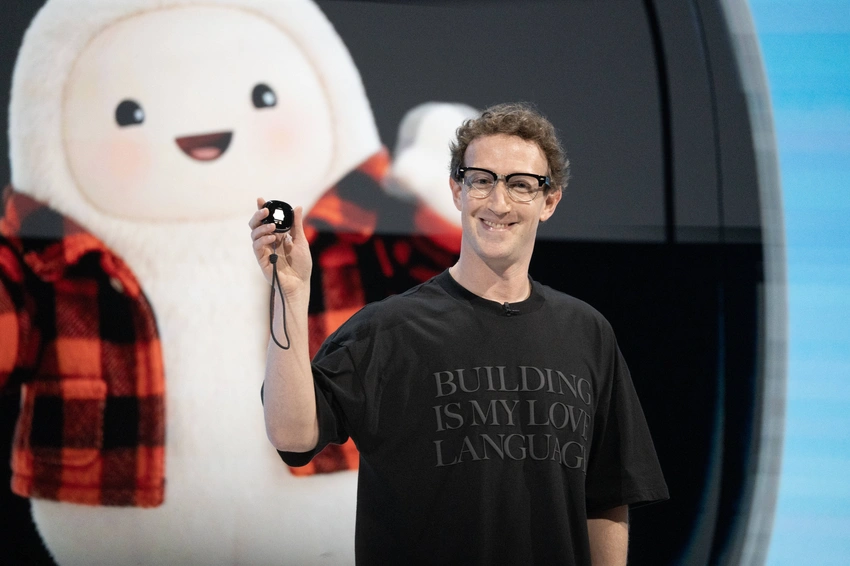
Meta has unveiled its latest innovation, the Muse "charm" device, an AI assistant presented as a "cute little guy" with a screen displaying a cutesy avatar. Introduced by Meta chief Mark Zuckerberg at the Meta Connect event, this new gadget aims to assist users with everyday tasks such as answering emails, booking travel, and even managing weekly food shopping.
The launch comes after a period of controversy for Meta, particularly following a backlash against its previous smart glasses. In stark contrast, the Muse device appears designed to be "charming and disarming," a strategy reinforced by its adorable appearance, which has drawn comparisons to popular collectibles like Tamagotchis and Labubus.
Experts suggest that the cuteness is a deliberate and strategic move.
Katie Seaborn, an associate professor from Cambridge researching the science of cute voices in computing, notes that its design, resembling a baby, makes it inherently appealing. Joshua Paul Dale, a professor at Chuo University in Tokyo and author on the subject of cuteness, highlights that this approach helps shift agency.
Unlike smart glasses with cameras that raised privacy concerns, the Muse's camera is housed within the charm, making it seem less intrusive as "it's just a cute little animated avatar looking out on the world." Zuckerberg's vision for personal, wearable super-intelligence is clearly reflected in Muse, aligning with a broader trend towards "cute technology" identified by forecasters like WGSN for 2026. Dale suggests Meta is simplifying the interaction, using the small screen to encourage users to anthropomorphize the AI, treating it as human despite knowing it's not.
This strategic cuteness, according to Seaborn, aims to naturally emerge from controversy, fostering trust by appearing "weak" and non-threatening. "Don't worry about it.
You can trust us," she explains, characterizing the underlying message.
The concept of cuteness as a design strategy is particularly prevalent in Japan, where mascots are ubiquitous across various organizations. Seaborn, who has studied the impact of cuteness on people, explains that it can facilitate social interactions and, interestingly, has a "natural link between cuteness and deception." She calls this dynamic "charming and disarming," as cuteness unconsciously lowers people's guard, a powerful psychological effect Meta appears to be leveraging to engage users, especially younger generations like Gen Z, who are already drawn to similar adorable collectibles.
