Canada-China tariff relief after Xi-Carney talks in Beijing

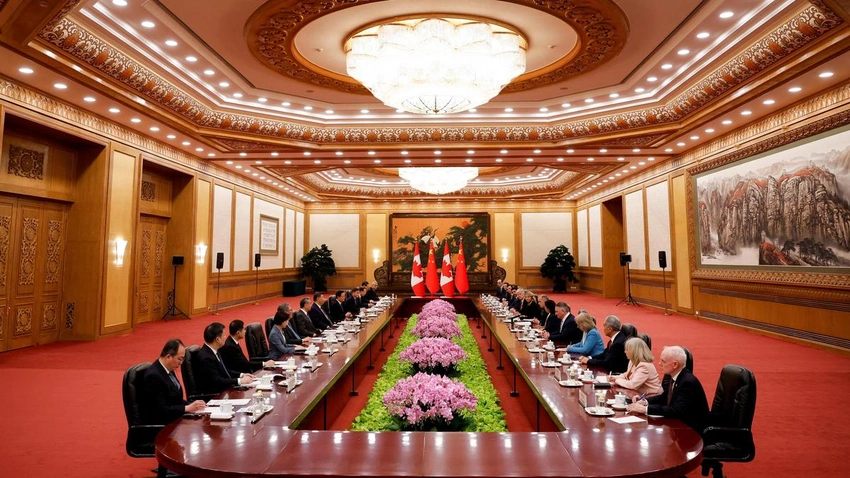
Canada-China tariff relief after Xi-Carney talks in Beijing
China cuts canola oil tariffs and Canada lowers EV levies, signaling a reset in relations after a pivotal Beijing meeting between Xi Jinping and Mark Carney.
In Beijing, a high-stakes meeting between Xi Jinping and Canada’s Mark Carney yielded a tariff breakthrough. China will cut its canola oil tariffs from 85% to 15% by March 1, and Ottawa will apply the most-favoured-nation rate of 6.1% to Chinese electric vehicles. The moves come as negotiators signaled a reset after years of tit-for-tat levies, with both sides stressing pragmatism over confrontation.
The agreement is being seen as a notable shift in global trade dynamics, with Canada striving to diversify its economy away from the United States and toward newly open markets. The deal could also spark more Chinese investment in Canada, sitting on the doorstep of the United States and shaping regional supply chains.
Carney described the talks as realistic and respectful, adding that Canada had laid out red lines, including human rights concerns, election interference and the need for guardrails to prevent disputes from spiraling. Xi Jinping called the turn in relations a 'turnaround' and framed China as a stable, long-term partner.
Observers caution that the agreement will not erase decades of friction and that implementation will matter as much as the headlines. If the tariff relief sticks, it could encourage similar deals with other Western economies facing their own tariff pressures.
For now, the Beijing talks mark a rare moment of cooperation between two major economies, one that could reshape trade patterns in the region and beyond.
