Why the Met Gala Seating Chart Is Actually Ruining Fashion

Why the Met Gala Seating Chart Is Actually Ruining Fashion
Are we here for the art or just to see who is sitting at the cool kids table? Let us talk about why our obsession with the Met Gala guest list is a major red flag for creativity.
Every year, as the first Monday in May rolls around, the internet descends into a collective frenzy. We are not just talking about the gravity-defying gowns or the questionable interpretations of the theme. No, the real hunger is for the seating chart. There is a strange, almost voyeuristic obsession with who gets placed next to whom at the most exclusive dinner table in the world. While organizers claim they are looking for the perfect pairing of two people who might get on like a house on fire, the reality is much colder. This obsession is the smoking gun that proves our culture still values gatekeeping far more than it values actual creativity.
The Social Chess Match
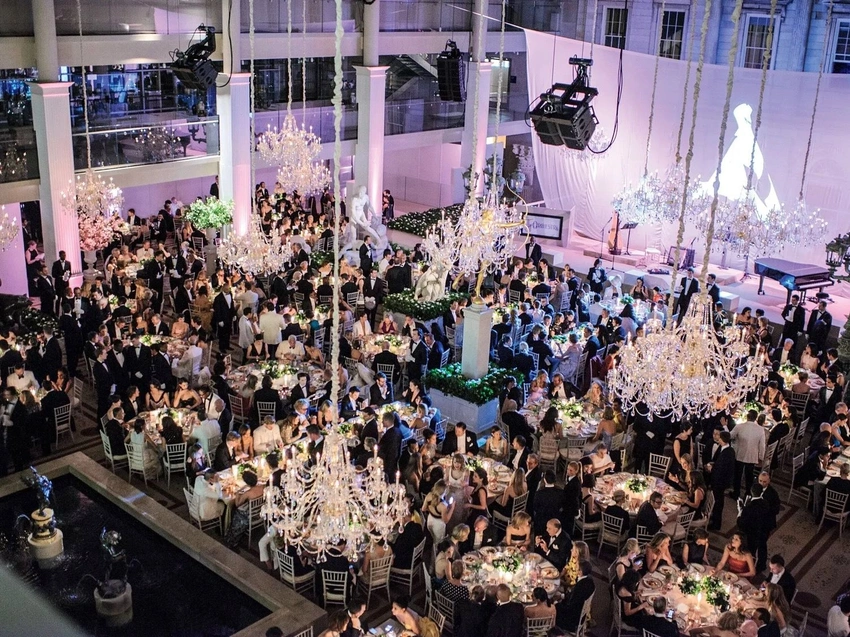
The Met Gala is billed as the Super Bowl of fashion, a night where artistry should take center stage. Yet, the conversation quickly shifts from the craftsmanship of a silhouette to the social politics of the guest list. When we dissect the seating arrangements, we are participating in a high-stakes game of relevance. Who is in? Who is out? Who has been demoted to a table near the kitchen? By focusing on these proximity-based power moves, we reduce a night of artistic expression to a high school cafeteria hierarchy.
Gatekeeping in a Gown
The meticulous planning of these tables is not about fostering genuine connection. It is about maintaining a curated image of elite status. When organizers look for people who do not even realize they have things in common, they are acting as the ultimate tastemakers, deciding whose brand aligns with whose. This is gatekeeping at its most refined. It reinforces the idea that your worth is defined by who you are seen with rather than what you have created. It suggests that the art on the red carpet is merely a ticket to a much more exclusive social club.
Creativity Should Be the Focus
Imagine if we spent as much time analyzing the historical references in a designer's embroidery as we did wondering why two rival influencers are sitting at the same table. We claim to love fashion, but we often treat the clothes as mere uniforms for a status competition. If we want to truly celebrate art, we need to stop looking at the seating chart and start looking at the canvas. The obsession with the list keeps the gates locked tight, ensuring that the conversation remains about exclusivity rather than the inclusive, explosive power of creativity.
