Pakistan Lobbied US Officials to Halt India's Op Sindoor, FARA Records Reveal

Pakistan Lobbied US Officials to Halt India's Op Sindoor, FARA Records Reveal
New US filings show Pakistan pressed Washington for intervention to pause Indian airstrikes after Op Sindoor, engaging more than 60 contacts through Squire Patton Boggs.
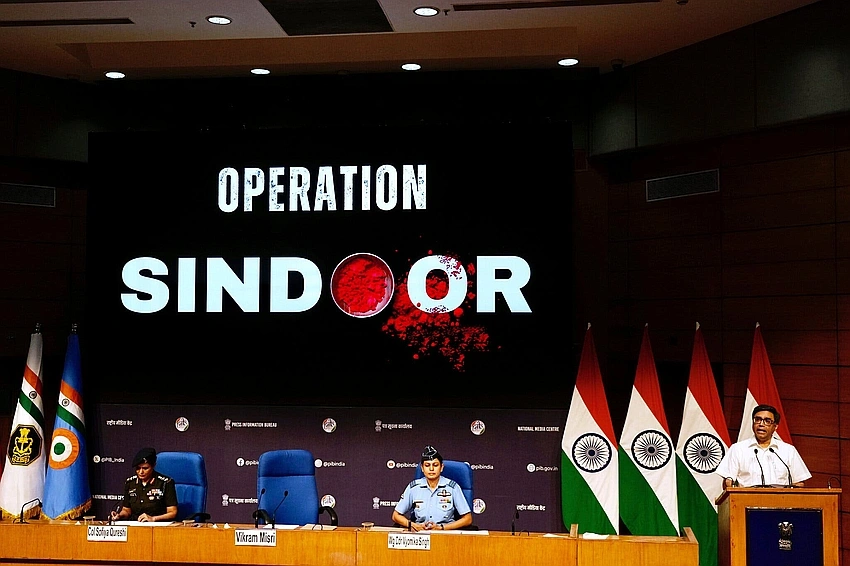
NEW DELHI — India's retaliation after a deadly terror attack spurred Islamabad to seek US mediation, a move laid bare in US filings that detail a frenetic lobbying push. The window between May 7, when Indian airstrikes hit suspected terror bases, and May 10, when Pakistan's director general of military operations spoke to his Indian counterpart, saw Islamabad pressing for international intervention to pause the hostilities.
US Foreign Agents Registration Act filings show Pakistan deployed a high-powered team, hiring Squire Patton Boggs to chart a path through Washington. The firm, described as a registered agent of the government of Pakistan, coordinated more than 60 points of contact with senior US officials and media alike — meetings, calls and emails aimed at persuading policymakers to slow or halt India’s operations.
Among the outreach was an attempt to arrange a meeting with the US ambassador to India, and to secure feedback on how to move the relationship forward. An email from a Pakistan representative to a US diplomat reveals the seriousness of the approach and notes the need to explain the lobbying effort and its aims.
Observers highlight that the filings show a high level of behind-the-scenes urgency. While Pakistan publicly downplayed the impact of the strikes, the documents portray a campaign to secure international mediation on behalf of a military operation.
Analysts and media reports add context, noting that Pakistan’s lobbying push has been described as costly, with discussions of monthly outlays as it sought to balance IMF program constraints with regional instability. The disclosures complement other coverage suggesting Pakistan’s messaging aimed to counteract narrative and seek international support during a time of direct military confrontation.
