Why We're Obsessed With Being Busy (And What It Costs Us)

Why We're Obsessed With Being Busy (And What It Costs Us)
Ever feel like you need to be constantly booked to feel valued? Discover the psychological reasons behind our addiction to busyness and its surprising emotional toll.
The Psychology of Being Chronically 'Booked'
“How are you?” “Busy!” This exchange has become a default, almost proud, response in modern life. We've subconsciously equated busyness with importance, productivity, and success. It's less about the actual work or commitments and more about a performance, a signal to the world (and ourselves) that we're in demand and valuable.
It's a deeply ingrained psychological pattern.

The Allure of the Full Schedule
Why this relentless pursuit of a packed calendar?
At its core, being busy offers potent emotional rewards.
It provides validation, a reassuring nod that we're needed, relevant, and making a contribution.
In many professional and social circles, a perpetually full schedule signals status. It implies success, competence, and a life rich with opportunities. When we say, 'I'm so busy,' it often translates, consciously or unconsciously, to 'I'm so important.'
Sometimes, busyness also serves as an effective distraction. It can be a way to avoid introspection, difficult emotions, or facing uncomfortable truths about our lives. By constantly moving, we effectively outrun our own thoughts.

FOMO, FOBI, and the Digital Age
The digital age significantly amplifies this phenomenon.
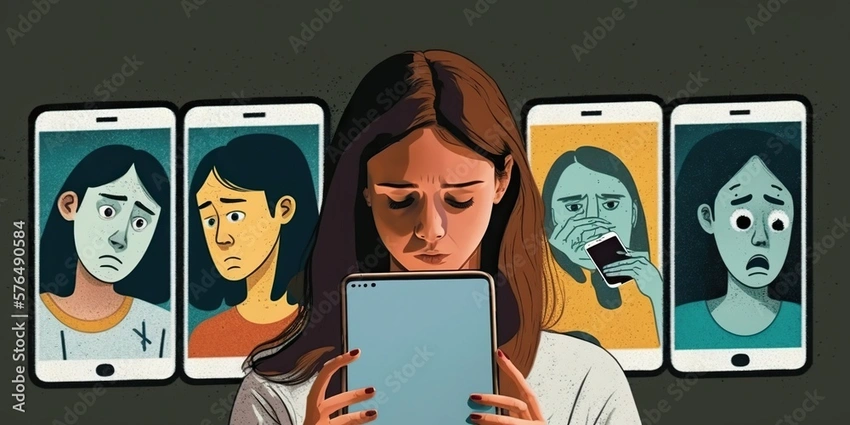
Social media platforms constantly showcase others' seemingly 'exciting' and 'productive' lives, fueling the pervasive fear of missing out (FOMO). But beneath FOMO often lies a deeper, more insidious anxiety: the fear of being irrelevant (FOBI).
We feel compelled to fill every minute, to say 'yes' to every invitation or opportunity, lest we be perceived as stagnant, unproductive, or, worse, unpopular. “Being constantly on the go feels like a prerequisite for a meaningful life,” one friend recently mused, unknowingly echoing a widespread sentiment that ties our worth to our activity levels.
The Exhausting Reality
This relentless pursuit of busyness, however, comes at a significant cost. Chronic 'booked-ness' is a direct pipeline to burnout, chronic stress, anxiety, and a diminished capacity for true connection and joy. Our physical and mental well-being suffers as we neglect self-care, adequate sleep, and essential time for genuine rest and reflection.
It's an exhausting irony: while we strive to appear important and successful through our packed schedules, we often sacrifice the very things that make life rich, meaningful, and fulfilling. We risk becoming human doings, constantly performing, rather than human beings, fully present in our own lives.
Reclaiming Your Time and Sanity
It's time to challenge the pervasive narrative that equates busyness with worth. True value and fulfillment stem from intentionality, purpose, and balance, not a perpetually overflowing diary. The first step is to audit your commitments.
Are they genuinely serving you and your goals, or are you simply serving them out of habit or obligation?
Practice the powerful art of saying 'no' to things that don't align with your deepest priorities.
Embrace periods of quiet, stillness, and unstructured time. This seemingly unproductive space is crucial for creativity, emotional recovery, and deeper self-awareness, qualities often lost in the relentless hustle. Remember, being truly present and engaged in one moment is often far more impactful than superficially attending to many.
What Does 'Enough' Really Look Like?
This isn't about advocating for idleness, but for conscious choice. It's about recognizing that your inherent worth isn't: and shouldn't be: tied to the density of your schedule. By consciously stepping off the busyness treadmill, even for short periods, we can create vital space.
This space allows for genuine connection, profound personal growth, and the cultivation of a life that feels authentically ours, rather than a never-ending performance for others.
What if ‘enough’ isn’t about doing more, but about simply being more? It’s a question worth asking, and perhaps, a new way of living worth exploring.
