Historic Moon Mission Lifts Off, Paving Way to Mars

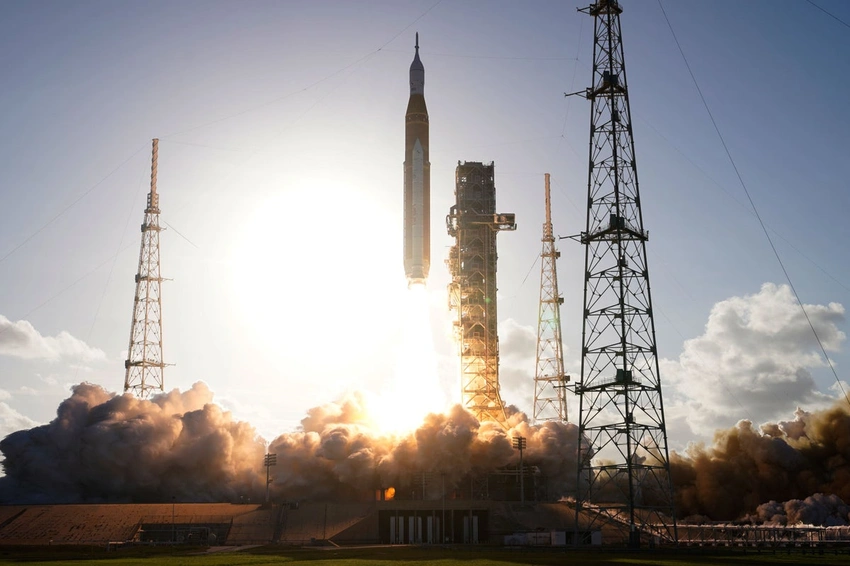
Historic Moon Mission Lifts Off, Paving Way to Mars
A historic manned Moon flyby signals a new era in space exploration, setting the stage for future lunar landings and crewed missions to Mars.
In a milestone decades in the making, space agencies announced the first manned Moon mission in more than 50 years has launched, marking a new era of renewed lunar exploration. The mission will begin with a lunar flyby designed to test trajectory accuracy, life-support systems, and spacecraft reliability as astronauts circle the Moon and prepare for a possible landing in future missions.
Space experts say the flyby is a critical proving ground for safety protocols and international collaboration, with scientists collecting data on surface measurements, communications latency, and propulsion performance. The mission also carries experiments to study radiation exposure and the Moon’s environment, helping to refine designs for longer stays.
Officials stress the broader objective: pave the way for a sustainable lunar presence and accelerate plans to send humans to Mars. Advances in propulsion, habitat design, and in-situ resource utilization are all part of the long-term roadmap, built on decades of research and international partnerships.
Public interest is running high, with schools, science centers, and space fans following live streams and briefing updates as the crew orbits the Moon. The event is expected to inspire a new generation of scientists, engineers, and explorers.
While enthusiasm runs high, planners caution that timelines can shift due to technical hurdles or budget considerations. Still, the vision remains bold: a new chapter in human spaceflight that could redefine exploration for decades to come.
