Filming First Dates with Meta Ray-Bans: A Trust Crisis?

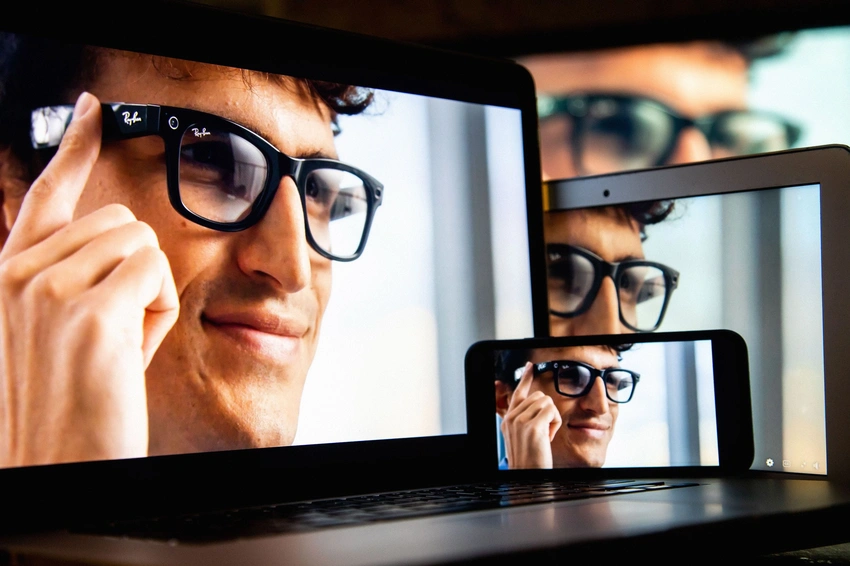
Filming First Dates with Meta Ray-Bans: A Trust Crisis?
Smart glasses like Meta Ray-Bans are turning first dates into unwitting film sets. Is covert recording acceptable? Unpack the growing unease and why it's a huge red flag.
The first date is a delicate dance of discovery, a moment to build rapport and assess compatibility. But what happens when one person secretly brings a camera to the table: or rather, on their face? We're seeing a disturbing trend emerge, where tech like Meta Ray-Bans is transforming intimate encounters into potential surveillance scenarios.
Consider Courtney McAnuff's experience in 2024. What started as a casual drink in midtown Manhattan turned into a startling realization after her date, sporting black-framed Meta Ray-Bans, later posted footage of her to social media without consent. “I felt super violated,” she shared, a sentiment echoed by many.
They're smart devices capable of recording video and images from the wearer's viewpoint, often with only a tiny, easily overlooked LED as a warning.
The market for these smart glasses is significant, with Meta selling over 7 million pairs in 2025.
While some use them for convenience, a darker side has emerged. They've earned the nickname “creep glasses” because of instances ranging from pranksters seeking viral fame to pickup artists covertly filming women.
Singles, especially women, are reporting a spreading unease about being unknowingly recorded on dates.
Social platforms are buzzing with these stories. A young woman on Bluesky recounted her date showing her pictures he'd taken of her without her knowledge. A TikToker expressed immediate discomfort, questioning why people are “so comfortable videoing everything.” Reddit threads are filled with debates on whether it's even ethical to continue a date if someone shows up wearing them.
One person even ghosted a guy after realizing he wore them, stating, “I didn't notice until toward the end of the night.
I kissed him while he was wearing the glasses.”
Unlike a smartphone, where the act of filming is usually obvious, smart glasses largely erase the opportunity for someone to object. Even if the recording light is active, it's a subtle cue that's often missed or easily dismissed. The core of the problem isn't just the recording itself, but the lack of consent and the lingering question of where that footage ends up.
For many, like McAnuff, it's about far more than just privacy in the moment. It's about data ownership and trust. “He didn't ask if I wanted to be recorded or if I wanted my face uploaded. And now he has this video file of me forever.
It's definitely a big trust issue,” she explained.
In the complex landscape of modern dating, where apps connect us and chatbots assist, the fundamental pillar of trust remains paramount. Introducing covert recording devices into this delicate space fundamentally erodes that trust.
What Are We Building Towards?
As we navigate a world increasingly intertwined with technology, we must collectively define the boundaries of digital etiquette, especially in personal interactions. Is the convenience of hands-free recording worth the potential for violation and the destruction of trust? When the pursuit of connection meets the silent lens, perhaps it's time to re-evaluate what true connection - and respect - really means.
