Trump Attends Supreme Court Birthright Citizenship Hearing in Historic Move

Trump Attends Supreme Court Birthright Citizenship Hearing in Historic Move
Trump sits in for a landmark birthright citizenship hearing at the Supreme Court as justices weigh 14th Amendment limits and the future of American identity.
The Supreme Court heard arguments on a politically charged case challenging birthright citizenship under the 14th Amendment. The case centers on an executive order aimed at denying citizenship to U.S.-born children of parents who are not citizens or permanent residents. The justices signaled careful attention to the long-standing principle that birth in the United States confers citizenship, while weighing whether Congress or the executive branch could alter that practice under constitutional limits. In a historic moment, President Donald Trump sat in the front row of the Court as the arguments unfolded, the first sitting president to attend in person for the court's proceedings. He later left the courtroom during the opposing side's presentation and posted on social media a strong critique of the policy.
The core questions revolve around the 14th Amendment's guarantee and whether a 2025 executive order contradicts it or alters the scope of federal citizenship rules. The 14th Amendment states that all persons born in the United States and subject to its jurisdiction are citizens. Critics say the order would undermine that guarantee and overstep Congress's immigration authority, while supporters argue the clause should be interpreted in light of modern immigration realities. The administration argues for narrowing or redefining birthright citizenship, or at least testing its boundaries in court. The Court's approach has been described as respectful to a once fringe theory but potentially prepared to rule in a way that could invite Congress to revisit the question.
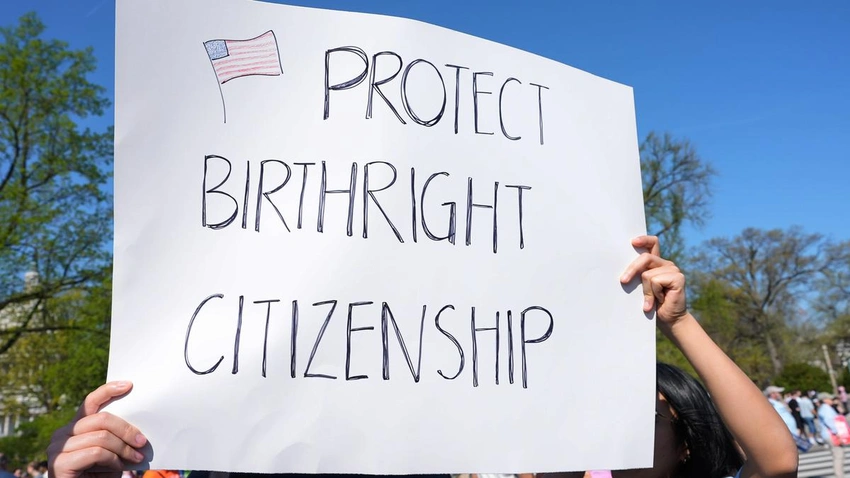
Outside the courtroom, demonstrators from several groups gathered to express views on birthright citizenship. Observers say the high-profile appearance by a sitting president has intensified attention on the case and a broader national debate about who counts as a citizen in America. Analysts caution that whatever the outcome, any ruling could have broad implications for immigration policy, political identity, and the governance of national belonging. The case remains closely watched as the justices prepare a decision that could redefine the meaning of birthright citizenship for future generations.
As the country debates identity and the role of constitutional text, the Court's decision will either reaffirm a century-old standard or signal a major shift in how citizenship is recognized at birth. The hearing highlighted the tension between constitutional guarantees and evolving immigration policy, with many watching to see whether the Court chooses a narrow ruling or a landmark shift in American citizenship law.
