Do Cancelled Stars Deserve a Comeback or Permanent Exile?

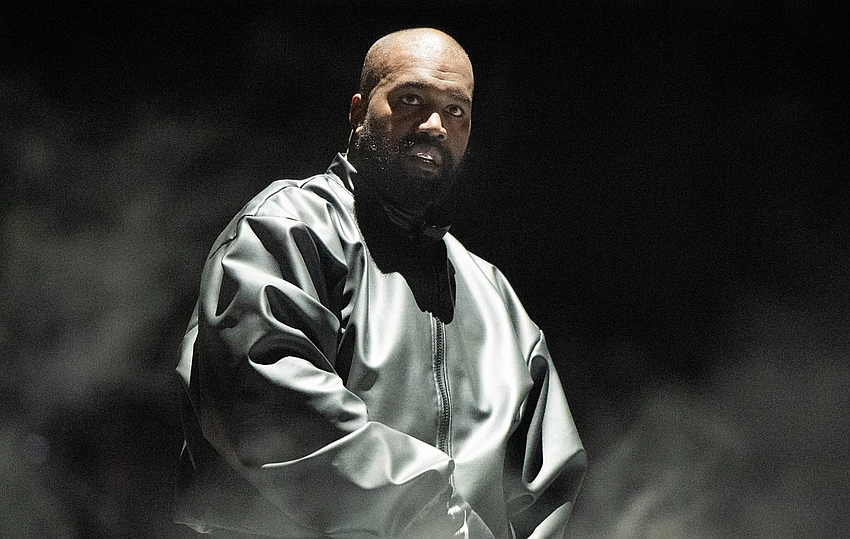
Do Cancelled Stars Deserve a Comeback or Permanent Exile?
When massive celebrities announce new tours after toxic scandals, it forces a tough question: should past hate speech end a career forever, or is there room for a comeback? Let us discuss the reality of accountability.
The internet was set ablaze this week when a highly controversial rapper announced a massive upcoming stadium show in Los Angeles to launch a new album. On top of the local performance, a sprawling string of European tour dates was revealed, with stops planned everywhere from the Netherlands to Spain. Naturally, the fans went wild. But almost immediately, a familiar dark cloud hovered over the excitement.
This artist has a very recent and very loud history of anti-Semitic remarks and erratic public behavior. The backlash to these new concert announcements was swift, reopening one of the most exhausting debates of the digital age. When an entertainer crosses a serious line, should they ever be given a massive platform again?
The Illusion of Consequence
In the real world, accountability is usually swift and permanent. If an everyday person stands in the middle of their workplace and shouts bigoted remarks, they lose their job. There is no comeback tour. There is no highly anticipated redemption project.
But for global superstars, the rules are fundamentally different. Fame acts as an almost impenetrable shield built from nostalgia, immense wealth, and fiercely loyal fandoms. For a while, the consequences look real. Brand deals get dropped. Apology videos are posted. Public figures distance themselves. But the entertainment industry is notoriously forgetful, especially when there is money on the table. The sheer demand for these new concert dates, where the artist is even offering free tickets to fans who pre-register online, proves that controversy often functions as just another form of marketing.
Can We Separate the Art from the Artist?
This is the ultimate question fans face when buying a ticket. Supporters argue that music is a universal language and that you can appreciate the genius of an album without co-signing the personal beliefs of the creator. They argue that nobody is perfect and that permanent exile leaves no room for human growth.
Critics see it entirely differently. They argue that streaming a song or buying a ticket is a direct financial endorsement of the person. When you pack a massive stadium in Inglewood to cheer for someone who spreads hate, you are telling them that their actions do not matter.
Where Do We Draw the Line?
If we want to build an entertainment landscape that actually values accountability, we have to look at a few crucial factors:
- The severity of the actions: Is the public outrage over a poorly worded joke from a decade ago, or is it a clear pattern of dangerous hate speech?
- The presence of genuine remorse: Has the celebrity taken real, actionable steps to learn and grow from their mistakes? Or are they just waiting in a mansion until the internet gets distracted?
- The power of the consumer: Ultimately, the fans hold the keys to the kingdom. Promoters will keep booking stadium tours as long as the seats keep filling up.
Forgiveness is a deeply important human concept. We should absolutely allow room for people to learn from their mistakes and evolve. However, simply dropping a highly anticipated album and plotting a world tour is not an apology.
Until consumers demand actual accountability instead of just begging for new music, the cycle will simply repeat itself. It is entirely possible to miss the music while still holding the creator to a basic standard of human decency. Next time a controversial star announces a major comeback, ask yourself if their personal growth matches the price of admission.
