Alaska’s 1,578-foot megatsunami in fjord ranked second largest ever

Alaska’s 1,578-foot megatsunami in fjord ranked second largest ever
A colossal landslide spawned a megatsunami in a remote Alaska fjord, the second-largest on record, reshaping cliff faces and pushing scientists to reassess climate-linked tsunami risk.
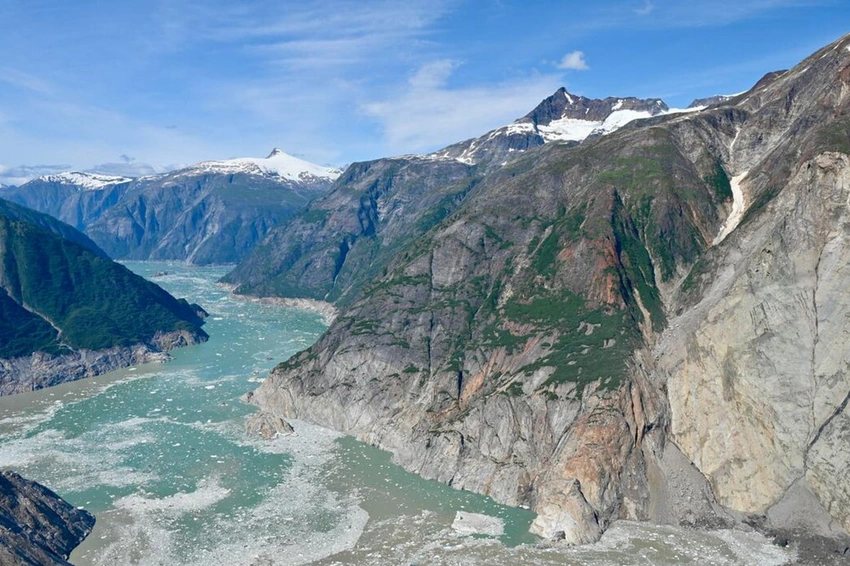
In Southeast Alaska, a colossal landslide sent a megatsunami roaring through a remote fjord, reaching heights measured at 1,578 feet and ranking as the second-largest tsunami ever recorded. The surge ripped vegetation from the steep rock walls and swept across the waterway, changing the landscape and reminding scientists how dynamic Alaska’s coast can be.
Scientists say tiny earthquakes preceded the landslide, which in turn displaced an enormous amount of seawater. New analysis ties the event to a chain of geophysical processes, highlighting how even moderate seismic activity in glacially influenced regions can unleash massive waves.
As glaciers retreat in a warming climate, researchers warn that landslide-generated tsunamis could become more frequent. The Alaska incident underscores the need for enhanced monitoring of fjords and better early-warning systems for coastal communities and research stations in remote areas.
While the fjord event was dramatic, scientists emphasize that megatsunamis are rare, but not impossible. The data from this Alaska case adds to the record of historical mega-tsunamis, offering clues for understanding risk in similar landscapes around the world.
Experts say the episode should prompt policymakers to invest in coastal science infrastructure and to improve communication strategies for indigenous communities and remote researchers who live near fjords vulnerable to landslide-triggered waves.
