Shubhanshu Shukla’s Space Triumph: What India’s Historic Axiom-4 Mission Means

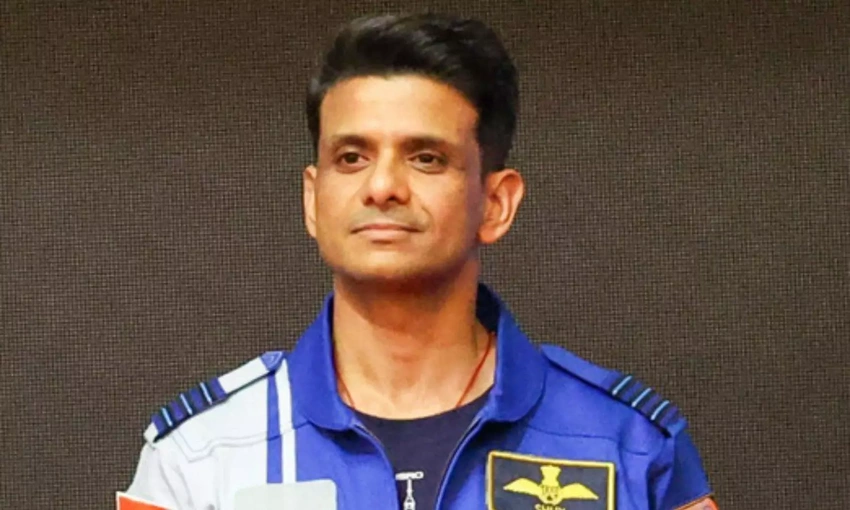
Shubhanshu Shukla’s Space Triumph: What India’s Historic Axiom-4 Mission Means
India's Space Journey Takes a Giant Leap with Shubhanshu Shukla!
India is celebrating a giant leap in its space journey. Group Captain Shubhanshu Shukla, an Indian Air Force officer, has become the first Indian in over 40 years to fly to space, and the first ever to serve as a pilot on a mission to the International Space Station (ISS). The Axiom-4 (Ax-4) mission, launched aboard a SpaceX Falcon 9 rocket from Florida’s Kennedy Space Center, is not just a personal milestone for Shukla but a moment of national pride. Yet, as the crew docks with the ISS and prepares for a safe return, tough questions about India’s space future deserve answers.
A Mission Marked by Delays and Determination
The Ax-4 mission was no smooth ride to the stars. Originally scheduled for early June, the launch faced multiple delays and technical issues with the rocket, leaks at the ISS, and even bad weather forced repeated rescheduling. Union Minister Jitendra Singh emphasized that safety was the top priority, a reminder of the risks inherent in human spaceflight. After repairs and reviews by NASA, Roscosmos, and SpaceX, the mission finally blasted off at 12:01 pm IST on June 25, 2025.
Shukla’s message from space was emotional and patriotic: “After 41 years, we have returned to space. This is not just my journey; it’s the beginning of India’s human space programme,” he said, carrying the tricolour flag on his shoulder.
Why This Mission Matters
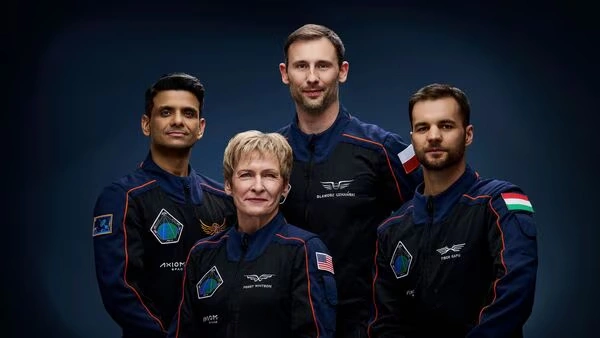
Shukla is only the second Indian to go to space, after Rakesh Sharma’s historic flight in 1984. But unlike Sharma, Shukla is piloting a private, multinational mission, Axiom-4, operated by US-based Axiom Space with NASA’s guidance and SpaceX’s technology. The crew includes astronauts from the US, Poland, and Hungary, reflecting the new era of international, commercial spaceflight.
The mission plans over 60 scientific experiments, including seven exclusive microgravity studies led by Shukla, covering muscle regeneration, microalgae growth, and the effects of space on the human body. These experiments are crucial for future long-duration missions and could have real-world impacts on medicine, agriculture, and materials science.
Why did it take four decades for another Indian to reach space? Despite ISRO’s achievements in satellite launches and moon missions, India’s human spaceflight program has lagged. Bureaucratic delays, funding issues, and technological gaps have all played a role.
Is India too dependent on foreign technology? The Ax-4 mission is a private US venture using American rockets and spacecraft. While India’s Gaganyaan program aims for a fully indigenous crewed mission, it’s still years from launch.
What happens if something goes wrong? The delays before launch were due to real safety concerns, including leaks at the ISS and technical snags in the rocket. The safe return of the crew is not guaranteed until they land back on Earth.
Will this mission accelerate India’s own plans? Union Minister Jitendra Singh has highlighted the government’s push for “ease of living” and digital reforms, but will this translate into faster, safer, and more frequent Indian crewed missions?
The Ax-4 crew will spend up to two weeks on the ISS, conducting experiments and outreach. Their safe return will be the next big test. But for India, the real challenge is building on this momentum. Can ISRO deliver on its promise of launching Indians on Indian rockets? Will India invest enough in astronaut training, life sciences, and space safety?
#IndiaInSpace #SpaceX #Axiom4 #ShubhanshuShukla #SpaceExploration
