Trump Admin Weighs Diesel Export Ban Amid Soaring Prices & Industry Warnings

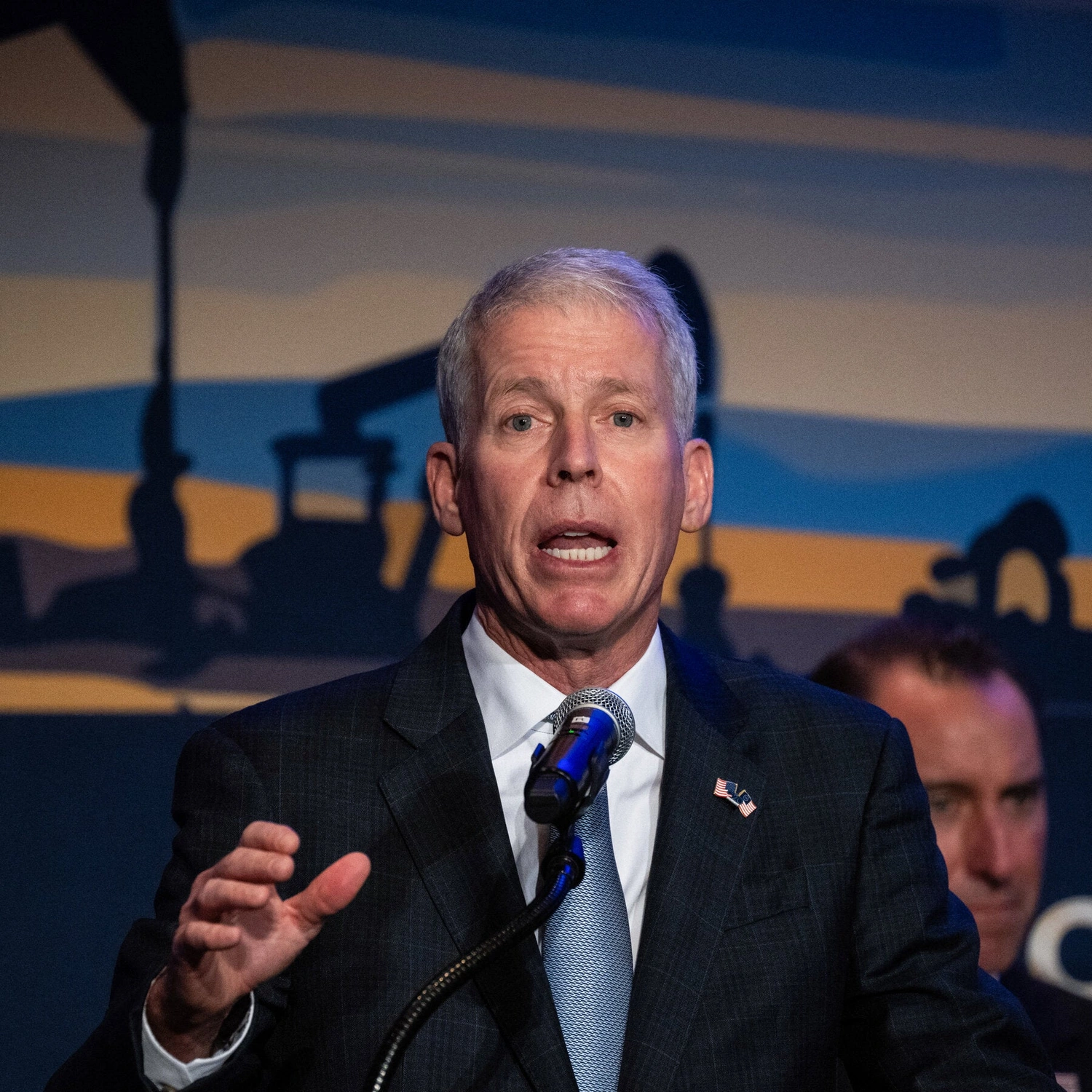
Trump Admin Weighs Diesel Export Ban Amid Soaring Prices & Industry Warnings
Explore the Trump administration's debate over banning U.S. diesel exports to combat high prices. Experts warn of global price hikes & trade retaliation. What does it mean for your wallet?
The Trump administration is currently deliberating a highly contentious move: a potential ban on U.S. diesel exports. This consideration comes as diesel prices surge, reaching record highs and fueling significant political pressure ahead of upcoming elections.
While the White House aims to alleviate the burden on consumers and industries, energy experts and the oil industry itself are sounding alarms, warning that such a ban could backfire with severe economic consequences.
Energy Secretary Chris Wright has been a prominent voice in this discussion, reflecting the administration's “energy dominance” vision, which historically has not favored export restrictions.
However, the current political climate, marked by widespread concern over fuel costs, has pushed the issue to the forefront.
Diesel prices have climbed to an average of $6.52 per gallon nationwide, nearly $3 higher than the same period last year, intensifying calls for action from lawmakers like Sen.
Chuck Grassley of Iowa, who has urged an “embargo diesel” to support the agricultural sector.
Industry analysts, including Bob McNally, president of Rapidan Energy and former energy advisor to President George W.
Bush, are largely united in their opposition to an export ban.
McNally predicts that while a ban might offer brief relief in specific regions like the Gulf Coast due to its high refining capacity, it would likely fail to significantly help areas like the Northeast, which are heavily dependent on imports.
More critically, he warns that in the long run, such a measure would lead to refiners cutting production, causing prices to “soar globally” beyond their current levels.
The ripple effects could extend internationally. The U.S. exports substantial amounts of diesel to Europe, and a ban could provoke retaliatory measures, such as Europe halting gasoline exports to the U.S. This scenario would be particularly damaging for import-dependent American regions.
Furthermore, the global diesel market is already strained after Russia, previously the second-largest source, banned exports following attacks on its refineries.
A U.S. ban would remove the largest source, compounding the global supply crisis.
Treasury Secretary Scott Bessent confirmed that the White House is actively examining the feasibility of a full or partial ban, considering its impact on overall refining capacity. A White House official reiterated that the administration is “evaluating all the options on the table” to bring down gas prices.
Despite the political expediency, the consensus among oil economists and analysts appears to be strong: a diesel export ban is not a good idea, with widespread opposition even within some administrative circles. The situation underscores the complex interplay between domestic political pressures, global energy markets, and the fundamental economics of supply and demand.
