The Skin Oxygen Paradox: Why Your Pores Need Air to Stay Clear

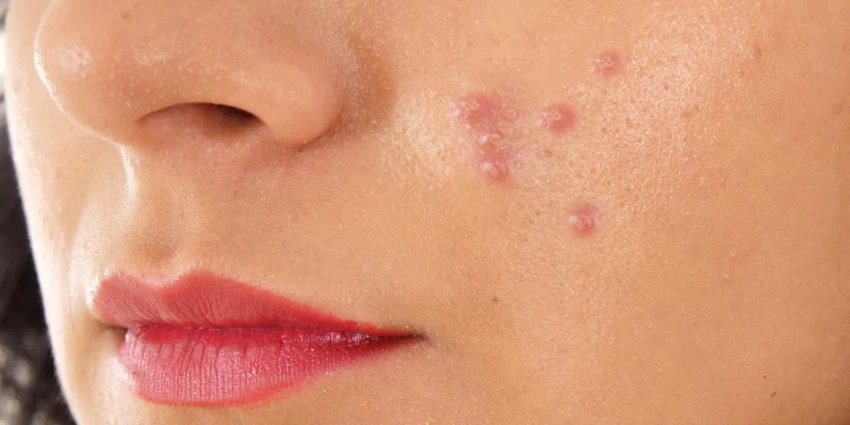
When people think about acne, they usually focus on oil production, hormones, or bacteria. While these factors are important, another lesser-known element plays a surprising role in skin health. The availability of oxygen around the skin surface can influence how pores behave and how acne develops. Skin functions best when pores remain clean, balanced, and exposed to a healthy environment. Many dermatologists suggest beginning a skincare routine with a ph balanced face wash 🔗to maintain the natural acidity of the skin and prevent pore blockage. Understanding the relationship between oxygen exposure and acne formation reveals why certain habits and skincare choices can either improve or worsen breakouts.
Understanding the Skin’s Oxygen Environment
Human skin does not “breathe” in the same way lungs do, but it still interacts with oxygen in its surrounding environment. Oxygen supports several biological processes that contribute to healthy skin.
These processes include:
• Cellular metabolism within skin cells
• Natural healing of damaged tissue
• Regulation of bacterial growth on the skin
• Support of collagen production
When pores remain open and balanced, oxygen can interact with the skin surface more effectively. However, when pores become clogged with oil, dead skin cells, and debris, the internal environment of the pore changes.
Low oxygen conditions inside clogged pores create an ideal environment for acne-causing bacteria to grow.
Why Clogged Pores Create an Anaerobic Environment
Acne bacteria thrive in low oxygen conditions. When pores become blocked, oxygen levels inside the pore decrease significantly.
This environment is known as an anaerobic environment. In such conditions, certain bacteria multiply rapidly and trigger inflammation.
Common causes of clogged pores include:
• Excess sebum production
• Dead skin cell buildup
• Heavy or pore-blocking skincare products
• Pollution particles settling on the skin
When these substances accumulate, they block oxygen flow within the pore and create the perfect conditions for acne formation.
Keeping pores clean and balanced helps prevent this environment from forming.
How Daily Habits Restrict Oxygen Flow on the Skin
Several everyday habits unintentionally restrict oxygen exposure on the skin surface.
Some common examples include:
• Sleeping with makeup on
• Using overly heavy skincare products
• Wearing tight masks for long periods
• Frequently touching the face
These habits create layers on the skin that trap oil and bacteria. Over time, pores become congested and oxygen circulation around the skin decreases.
Maintaining a simple skincare routine that focuses on cleansing and hydration helps restore a balanced environment on the skin surface.
The Relationship Between Oil Production and Oxygen Levels
Sebum plays an essential role in protecting the skin. It forms a thin protective film that prevents moisture loss and shields the skin from environmental damage.
However, when oil production becomes excessive, pores can become clogged more easily.
When oil mixes with dead skin cells, it forms plugs that trap bacteria within the pore. Once oxygen levels drop inside this blocked pore, acne-causing bacteria multiply quickly.
This chain reaction leads to inflammation and visible pimples.
Balancing oil production is therefore an important step in preventing acne.
Scientific Insight Into Oxygen and Acne Development
Dermatology research has shown that oxygen levels influence acne-causing bacteria.
A study published by the National Library of Medicine explains that Cutibacterium acnes, the bacteria associated with acne, thrives in low oxygen environments within blocked pores.
This scientific insight helps explain why maintaining clear pores and balanced oil levels is essential for preventing acne formation.
When pores remain clean and unclogged, the conditions that allow bacteria to grow become less favorable.
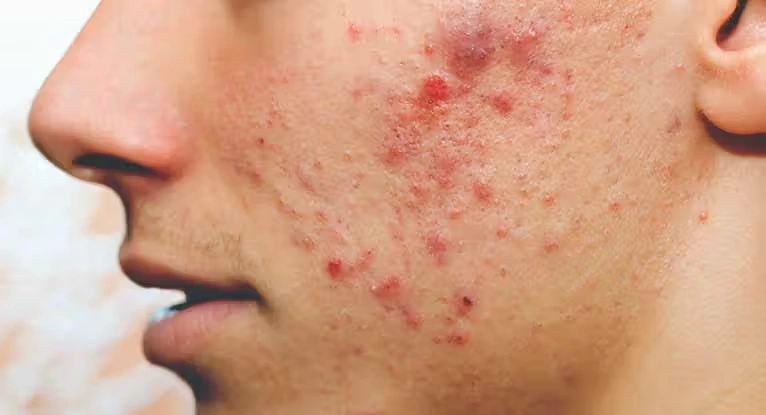
Why Gentle Cleansing Supports Skin Balance
Cleansing removes the impurities that block oxygen flow within pores. However, harsh cleansing can also damage the skin barrier.
Over-cleansing can cause:
• Increased dryness
• Barrier damage
• Compensatory oil production
A gentle routine helps maintain balance while still removing pore-clogging debris.
Dermatologists often recommend routines that include cleansing, hydration, and targeted acne care rather than aggressive treatments.
Consistency plays a larger role than intensity in achieving long-term skin health.
How Targeted Acne Care Protects Healing Skin
When acne appears, protecting the affected pore becomes important. Picking or squeezing pimples can introduce additional bacteria and increase inflammation.
Targeted acne solutions work by isolating the blemish while it heals.
These treatments can help:
• Absorb excess fluid from the pimple
• Protect the area from bacteria
• Prevent accidental touching or irritation
By creating a controlled environment around the blemish, healing can occur more efficiently.
Supporting Skin Health Through Balanced Skincare
Healthy skin depends on maintaining balance across multiple factors. Oil production, hydration, bacteria levels, and barrier strength all interact with each other.
A balanced routine usually includes:
• A gentle cleanser to remove daily buildup
• Hydration to support the skin barrier
• Targeted treatments for occasional breakouts
This approach supports the skin’s natural defenses without overwhelming it with excessive products.
Over time, consistent routines help maintain clearer pores and healthier skin.
Conclusion
The relationship between oxygen and acne highlights how delicate the skin’s ecosystem truly is. When pores remain clean and balanced, oxygen exposure helps limit bacterial growth and supports healthy skin function. However, when pores become clogged, oxygen levels decrease and create an environment where acne-causing bacteria can thrive. Maintaining clear pores through proper cleansing, hydration, and targeted treatments helps restore balance and reduce breakouts. For active blemishes, many people use solutions like hydrocolloid patches for acne 🔗, which protect the affected area while absorbing impurities and supporting the skin’s natural healing process.
Call To Action
Maintaining clear pores and balanced skin requires the right combination of cleansing, hydration, and targeted care. Explore high quality skincare solutions at World of California 🔗 and discover products designed to support healthier skin and reduce breakouts.
FAQs
1. Do pores actually need oxygen?
While pores do not breathe like lungs, oxygen levels around the skin influence bacterial growth and skin health.
2. Why do clogged pores cause acne?
Clogged pores trap oil, bacteria, and dead skin cells, creating a low oxygen environment where acne-causing bacteria multiply.
3. Can heavy skincare products cause breakouts?
Yes. Thick or pore-clogging products can block pores and disrupt the natural balance of the skin.
4. Is cleansing twice a day enough for acne prevention?
For most people, cleansing twice daily is sufficient to remove oil, dirt, and pollutants that contribute to clogged pores.
5. Should pimples be covered while healing?
Protecting pimples from touching and bacteria can help them heal faster and reduce irritation.
