Why Some Acne Treatments Fail Because Your Skin Never Gets Time to Heal
Why Some Acne Treatments Fail Because Your Skin Never Gets Time to Heal
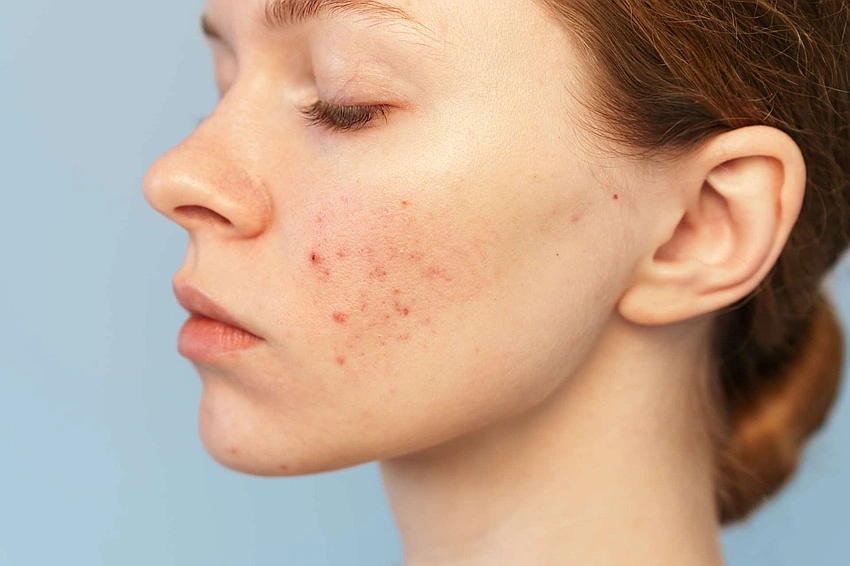
Most acne advice focuses on fighting breakouts harder. People are encouraged to exfoliate more, dry pimples faster, scrub deeper, and switch products constantly in search of quick results. But one of the biggest reasons acne remains persistent is because the skin rarely gets enough time to recover between treatments. Many individuals using a cleanser for sensitive acne prone skin 🔗 can support healthier looking skin more effectively when they pair gentle cleansing with a balanced routine instead of layering too many harsh active ingredients at once.
Healthy skin operates on cycles of repair. Every time the skin is irritated, stripped, or inflamed, it requires recovery time to restore balance. When acne treatments interrupt that healing cycle repeatedly, the skin stays trapped in a constant state of irritation. This often leads to redness, sensitivity, recurring breakouts, and acne marks that take months to fade.
Modern acne care is beginning to shift away from aggressive treatment toward controlled healing. Dermatologists increasingly recognize that calmer skin often becomes clearer skin.
The Difference Between Treating Acne and Healing Skin
Acne treatment and skin healing are not always the same thing. Many products successfully dry pimples but fail to support long term skin health.
A treatment focused only on eliminating oil can cause:
- Tightness
- Flaking
- Increased redness
- Dehydration
- Barrier damage
- Increased sensitivity
Healing focused skincare works differently. Instead of forcing the skin into dryness, it aims to reduce inflammation while preserving hydration and resilience.
This distinction matters because inflamed skin becomes more reactive over time. Even mild ingredients may begin causing irritation if the skin barrier is repeatedly compromised.
Why Acne Often Gets Worse Before It Improves
Many people panic when they see new breakouts after starting a skincare routine. In some cases, this happens because the skin is purging. In other situations, the routine itself is too harsh.
Over treatment can trigger micro inflammation beneath the skin’s surface. This weakens the protective barrier and allows bacteria and irritants to penetrate more easily.
Signs of over treated skin include:
- Burning after cleansing
- Persistent redness
- Sudden sensitivity
- Tiny bumps across the forehead
- Skin that feels oily and dry at the same time
These symptoms are often mistaken for worsening acne, leading people to use even stronger products that continue the cycle.
The Skin Barrier Is the Foundation of Acne Recovery
The skin barrier acts as the body’s natural protective shield. It prevents water loss while blocking pollutants, irritants, and bacteria from entering the skin.
When this barrier weakens:
- Pimples heal slower
- Acne marks darken more easily
- Oil production becomes unstable
- Sensitivity increases
- Breakouts return more frequently
Modern skincare routines are increasingly focused on preserving this barrier instead of constantly stripping the skin.
Hydration and protection now play a central role in acne recovery. This is why many dermatologists recommend balancing treatment products with calming and restorative formulas.
Why Touching Acne Delays Healing
One of the most overlooked causes of prolonged acne is physical irritation. Constant touching, picking, and squeezing increase inflammation and spread bacteria across the skin.
People often touch pimples unconsciously throughout the day, especially during stress or while working.
This repeated irritation can lead to:
- Deeper inflammation
- Longer healing time
- Increased risk of scarring
- Darker post acne marks
Protective acne patches have become popular partly because they physically block touching and picking. They create a cleaner healing environment while reducing external irritation.
The Psychological Pressure of Fast Results
Social media has changed expectations around skincare. Many people now expect overnight transformations after using a new product.
In reality, acne recovery is gradual. Skin cells typically renew over several weeks, not days.
Constantly changing products interrupts this process and prevents the skin from adapting properly.
Healthy skin improvement often appears in stages:
- Reduced irritation
- Less redness
- Fewer active breakouts
- Smoother texture
- Gradual fading of acne marks
Patience becomes one of the most important parts of effective skincare.
How Sleep Directly Impacts Acne Healing
Sleep is one of the skin’s most important recovery periods. During sleep, the body repairs inflammation, restores hydration balance, and supports collagen production.
Poor sleep can increase cortisol levels, leading to:
- Increased oil production
- Slower healing
- More inflammation
- Increased sensitivity
People who consistently sleep poorly often notice more stubborn and inflamed breakouts.
Nighttime skincare routines are especially important because the skin enters its most active repair phase overnight.
What Statistics Reveal About Adult Acne
According to the American Academy of Dermatology, acne affects approximately 85% of people between ages 12 and 24, but adult acne continues to rise significantly, especially among women in their 30s and 40s.
These findings show that acne is no longer viewed only as a teenage condition. Lifestyle habits, stress, environmental exposure, and barrier damage all contribute to long term breakouts.
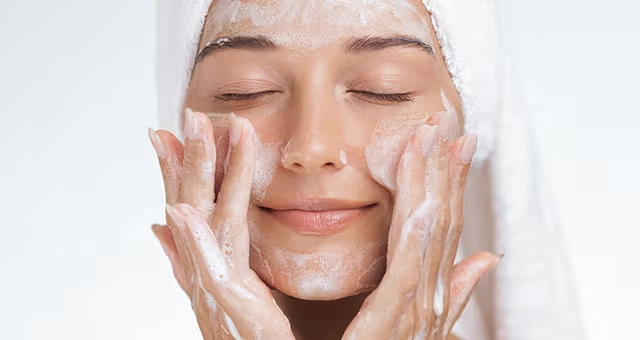
Why Gentle Cleansing Matters More Than Frequent Cleansing
People with acne often wash their face multiple times a day believing it will remove oil and prevent pimples. Excessive washing usually creates more irritation.
Gentle cleansing helps remove:
- Sweat
- Pollution
- Excess oil
- Sunscreen residue
- Makeup buildup
Without stripping essential moisture from the skin.
Balanced cleansing allows acne treatments to work more effectively because the skin remains healthier overall.
The Role of Hydration in Clear Skin
Hydrated skin heals faster and tolerates active ingredients better. Dehydrated skin often becomes inflamed more easily and may produce excess oil to compensate for moisture loss.
A balanced acne routine usually includes:
- Gentle cleansing
- Lightweight treatment serum
- Hydrating moisturizer
- Sunscreen during the day
- Spot care only when needed
This structure helps support both acne control and skin recovery simultaneously.
Why Acne Patches Became More Than a Trend
Acne patches were initially viewed as novelty products, but they now play a practical role in modern skincare routines.
A quality hydrocolloid acne patch helps absorb excess fluid while protecting pimples from bacteria, touching, and environmental irritation.
These patches can also reduce the temptation to squeeze active breakouts, lowering the risk of scars and dark marks.
When used alongside balanced skincare, acne patches help create a healthier healing environment for inflamed blemishes.
Conclusion
Acne recovery depends on more than simply removing pimples. Healthy skin requires time, balance, hydration, and consistent barrier support. Over treating the skin often creates more inflammation, prolonging breakouts instead of resolving them.
The future of acne care focuses increasingly on controlled healing rather than aggressive stripping. Gentle cleansing, proper hydration, sun protection, and targeted spot care together create stronger long term results. Using a reliable makeup safe pimple patch 🔗 can also help protect active breakouts from touching, irritation, and external bacteria while supporting a cleaner healing process throughout the day.
Allowing the skin enough time to recover may be one of the most overlooked but powerful steps in achieving clearer skin.
CTA
Explore skincare designed to support acne recovery, skin balance, and healthier looking skin at World of California 🔗 and discover routines built for modern skin challenges.
FAQs
Can overusing acne products make acne worse?
Yes. Excessive use of harsh treatments can damage the skin barrier and increase irritation, dryness, and inflammation.
Why does my skin feel oily and dry at the same time?
This often happens when the skin becomes dehydrated. The skin produces extra oil to compensate for lost moisture.
How long should I wait before changing an acne routine?
Most skincare routines need at least several weeks before showing noticeable improvement.
Do acne patches actually help pimples heal?
Yes. Hydrocolloid patches help protect pimples from touching and absorb excess fluid from surface blemishes.
Can stress increase breakouts?
Yes. Stress can increase inflammation and oil production, which may contribute to acne flare ups.
Why is gentle cleansing important for acne prone skin?
Gentle cleansing removes impurities without damaging the skin barrier or triggering excess dryness and irritation.
