NHS rolls out one-minute Keytruda jab to cut hospital time

NHS rolls out one-minute Keytruda jab to cut hospital time
A new injectable Keytruda could save thousands of NHS patients hours in hospital by delivering the cancer drug in minutes.
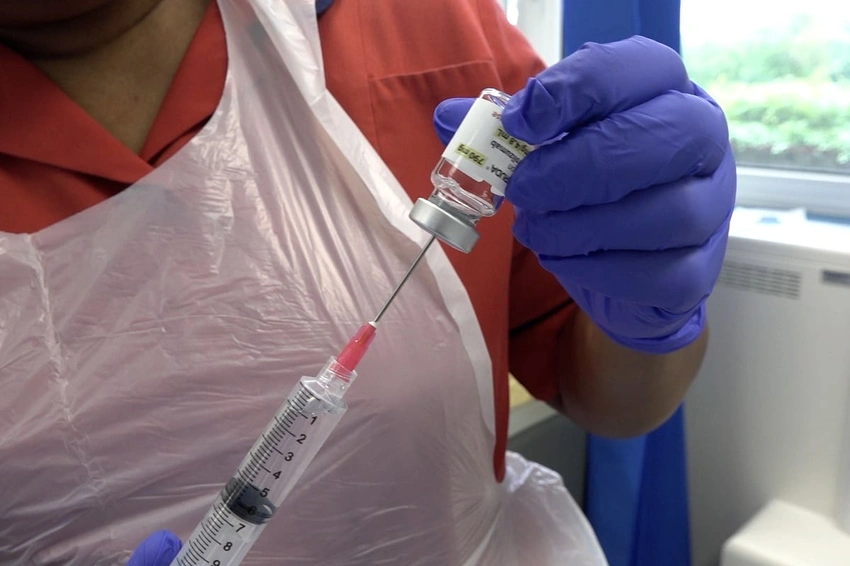
A new injectable form of the cancer drug Keytruda is rolling out across NHS hospitals, offering thousands of patients a faster, easier way to receive immunotherapy. In a first deployment at Mount Vernon Cancer Centre near Watford, Shirley Xerxes, an 86-year-old patient from St Albans, was among the early recipients, experiencing a treatment that took only minutes.
Keytruda, known generically as pembrolizumab, is already used to treat a range of cancers. Previously, patients received the drug via an intravenous drip that could last well over an hour. The injectable version, by contrast, can be given in about one minute for a three-week cycle or two minutes for a six-week cycle, depending on the individual cancer diagnosis, NHS England says. This makes the procedure far quicker for patients and frees up time for NHS staff.
The move follows the introduction of other jab-administered immunotherapies, with this being the third of its kind to be offered on the NHS after similar injections for other treatments were rolled out in some hospitals last year. The change means that around 14,000 cancer patients in England who start a course of Keytruda each year are likely to switch to the injectable form, reducing time spent in hospital and potentially improving quality of life for many patients.
Keytruda (pembrolizumab) is used to treat at least 14 different cancer types, including lung, head and neck, cervical and breast cancers. By avoiding lengthy IV infusions, patients can fit their treatment more easily into daily life, allowing more time for family, work, and personal activities, while still receiving the same therapy.
This update reflects broader NHS efforts to modernize cancer care and minimize hospital visits where possible, without compromising treatment effectiveness. As hospitals continue to implement the new injections, clinicians will tailor the schedule to each patient’s cancer type and response, ensuring that the pace of care remains aligned with medical needs and patient preferences.
