Iran's internet kill switch looms as protests intensify

Iran's internet kill switch looms as protests intensify
As protests surge, Iran's connectivity plunges to near zero in many areas, raising alarms over safety, information access, and civil rights.
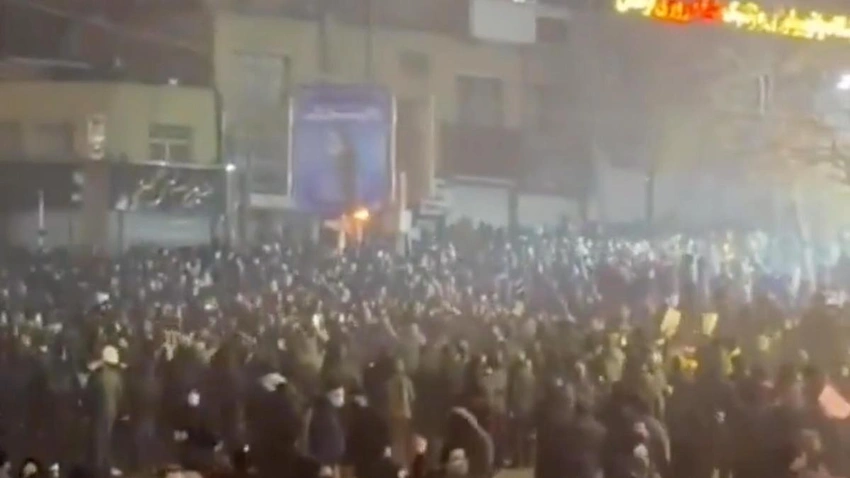
Iran is facing a near-total internet blackout as protests swell across the country, with connectivity plunging to below 2% in many areas. Officials describe the move as a security measure to curb protest coordination and limit coverage of alleged abuses by security forces. The shutdown is among the most extreme ever seen in the country.
Experts say the scale is unprecedented and appears selective, with some essential state communications still possible while most civilian access is blocked. The blackout has spread quickly, leaving neighborhoods, schools, businesses, and hospitals scrambling to adapt as screens go dark and online services vanish.
The disruption is taking a heavy toll on daily life. Banks struggle to process transactions, emergency lines grow quiet, and families trying to check on relatives find themselves cut off from one another. Students and workers rely on digital networks to organize, share information, and stay informed, a lifeline now severed in many districts.
Rights groups and journalists warn that with the internet down, documenting abuses and holding authorities to account becomes far more difficult. The lack of online communication also complicates humanitarian responses and could hamper access to medical information and other critical services.
Outside Iran, diplomatic and public demonstrations have kept digital rights in focus, with events in places like London drawing attention to the broader implications of internet controls. Analysts caution that the longer the blackout lasts, the greater the risk of misunderstandings, miscommunications, and harm to civilians. Officials have given no clear timetable for restoration, leaving observers to weigh the potential lasting impact on daily life and the information landscape.
