Empty Luxury: What a $8,105 Box Says About Consumer Culture

Empty Luxury: What a $8,105 Box Says About Consumer Culture
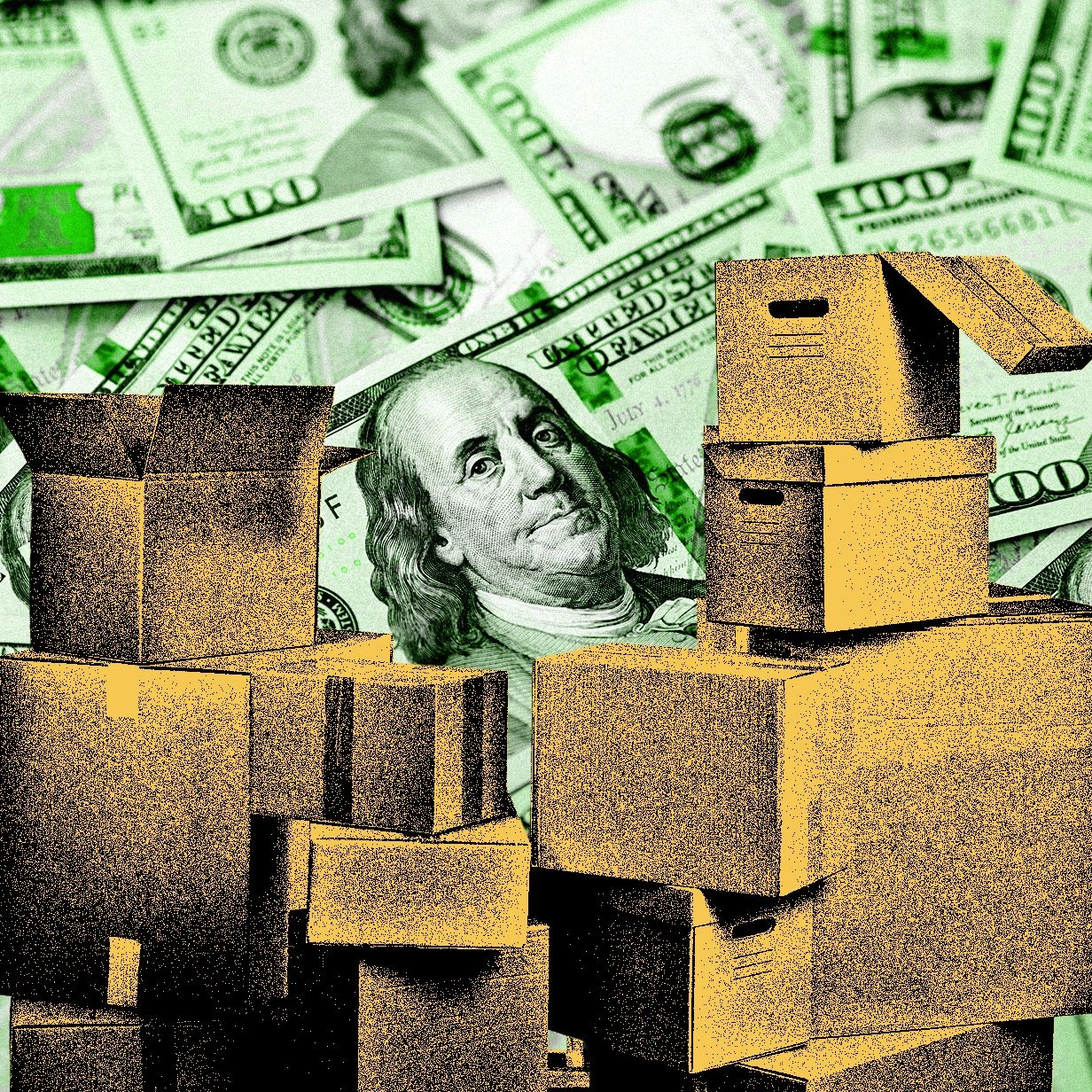
Empty boxes for luxury goods and collectibles are selling for thousands. What does this wild trend tell us about authenticity, consumer desires, and the strange world of resale culture?
It’s time we talk about the incredible — and frankly, bizarre — phenomenon of empty boxes selling for eye-watering prices. We’re not talking about some niche antique packaging here. We’re talking about empty product boxes from properties like Doctor Who, One Piece, Pokémon, and Star Wars fetching upwards of $2,500 on platforms like eBay. And that’s just the start.
Dive deeper into the luxury realm, and the numbers become even more surreal. Think an empty Bottega Stardust Sparkling Rosé bottle and box listed for a staggering $8,105. Or the box for a 1980s Rolex Explorer 1016, a piece of cardboard and leather, commanding $3,850. For context, the actual secondhand watch itself can retail anywhere from $19,000 to $52,000, making a few grand for its original home a ‘worthwhile investment’ to some. A “rare” Hermes Bolide box from Japan recently hit $3,450, and an empty Suntory Hibiki bottle and box went for $3,000. This isn't just about high-end watches or designer bags; even packaging for items like a Dyson Airwrap or Nintendo Switch can be valuable.
So, what in the world is going on? The simple answer is ‘authenticity,’ or at least the perception of it. In the booming resale market, having the original packaging can significantly boost an item’s value. It adds to the story, validates the product’s journey, and, crucially, helps assure buyers of its legitimacy. For a high-ticket item, spending a couple of grand on a box becomes part of the strategy to maximize profit on the main collectible.
But it’s also a powerful commentary on our consumer culture. We’re seeing over 160,000 “empty box” listings on eBay US alone (with many under $25, suggesting a broader market), and more than 140,000 on eBay UK. This isn’t a fringe activity; it’s a robust, if perplexing, corner of the market.
However, there’s a darker side. This craving for authentic packaging has paved the way for illicit activities. Counterfeiters exploit the demand by acquiring genuine boxes to house fake products, thereby bolstering the illusion of authenticity. And then there are the outright scams, where sellers peddle an authentic box with nothing at all inside, leaving unsuspecting buyers with empty hopes and lighter wallets.
It makes you wonder: when a box becomes more valuable than some full products, what does that say about our priorities? Are we buying the item, or are we buying the dream, the status, the illusion of having owned something truly special, even if it’s just the packaging? As one Vinted seller, 'wildswhim,' who deals in jewelry packaging (like Vivienne Westwood and Michael Kors), carefully avoids including “actual empty tubes or containers” to sidestep counterfeiting issues, it’s clear the lines between authentic and aspirational are blurrier than ever. This trend isn’t just about collecting; it’s about the narrative, the bragging rights, and the perceived 'clout' that even an empty vessel can bring.
