Skin Care for Sensitive Skin: Thriving Through Every Season and Lifestyle Change
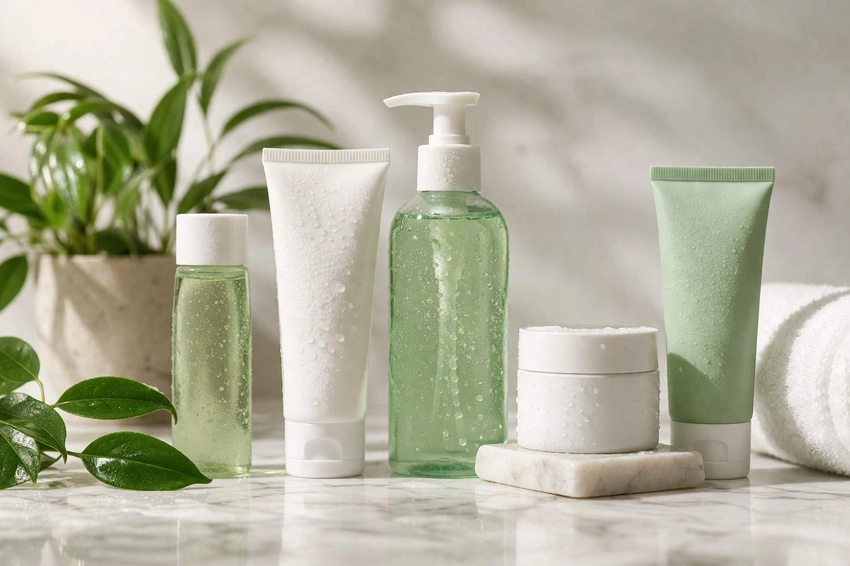
Skin Care for Sensitive Skin: Thriving Through Every Season and Lifestyle Change

Sensitive skin does not operate in a vacuum. It responds to the air around it, the food you eat, the stress you carry, and the seasons as they shift. Understanding these rhythms is what separates a routine that barely copes from one that genuinely flourishes.
If you have sensitive skin, you have probably noticed that it does not behave the same way all year round. The same moisturizer that felt perfect in the humid warmth of July may leave your skin tight and irritated come November. The serum that caused no reaction during a calm week at home may suddenly flare your skin during a period of stress or travel. This variability can feel maddening, but it makes complete sense when you understand how sensitive skin responds to both internal and external change.
This guide takes a different angle from the typical ingredient checklist. Instead of focusing solely on what to put on your face, it explores how to adapt your skin care products 🔗 and routine to the conditions of your actual life, across seasons, environments, life events, and shifting health circumstances. Because truly effective skin care is not static. It moves with you.
How the Seasons Shift Your Sensitive Skin
Of all the external variables that affect sensitive skin, seasonal change is among the most predictable and, therefore, the most manageable. The key is recognizing the shift early and adjusting proactively rather than waiting until your skin is already reacting.
Summer
Heat and humidity increase sebum production even in normally dry or sensitive skin. Heavier creams can feel occlusive and may clog pores or trigger miliaria (heat rash) in some sensitive types. Switch to gel-based, lightweight moisturizers and opt for a mineral sunscreen as your primary layer of protection. Avoid layering too many products in heat, as sweat can drive irritants deeper into the skin.
Monsoon / High Humidity
Despite the ambient moisture in the air, high humidity can disrupt the skin barrier differently for different people. Some find their skin calmer; others experience fungal flares or increased congestion. Keep cleansing gentle and consistent, and ensure any occlusive products are used sparingly. Humidity does not replace the need for a moisturizer, but it does mean you can use a lighter one.
Winter / Dry Seasons
This is when sensitive skin tends to suffer most. Cold air holds less moisture, and indoor heating removes even more from the environment. Transepidermal water loss increases, leaving the skin tight, flaky, and prone to redness. Upgrade to a richer, ceramide-laden moisturizer, avoid any harsh exfoliants, and consider applying an occlusive layer like a thin coat of petrolatum or a balm over areas prone to cracking, particularly around the nose and mouth.
Spring / Transition Seasons
Seasonal transitions bring pollen, fluctuating temperatures, and wind, all of which can aggravate sensitive skin. Spring is also when many people feel tempted to reintroduce stronger actives after a cautious winter, but doing so too quickly can undo months of barrier repair. Transition slowly and watch for any increase in reactivity as the environment shifts around you.
The Lifestyle Factors Most People Overlook
Beyond topical products and seasonal shifts, sensitive skin is deeply influenced by what is happening inside the body and within your daily environment. These internal and lifestyle factors are often the missing piece for people who are doing everything right with their routine yet still experiencing flares.
Stress and the Skin Barrier
Psychological stress directly affects skin through the release of cortisol and other stress hormones that trigger inflammation and impair barrier function. Chronic stress can make already sensitive skin significantly more reactive, causing flares of eczema, rosacea, or general redness even without any change in products. Managing stress through sleep, movement, and mental health practices is not a soft suggestion for sensitive skin types but a genuine skin care intervention.
Diet and Internal Inflammation
What you consume affects how your skin behaves. Alcohol is a known vasodilator and can trigger or worsen rosacea flushing. Highly processed foods and refined sugars promote systemic inflammation, which sensitive skin feels acutely. On the positive side, foods rich in omega-3 fatty acids, such as flaxseed, walnuts, and fatty fish, are associated with stronger barrier function and reduced inflammatory activity in the skin.
Sleep and Repair Cycles
The skin undergoes the majority of its repair and regeneration at night. Poor or insufficient sleep disrupts this cycle, leaving the skin less able to recover from daily irritant exposure. If you are sleeping fewer than seven hours regularly, even the most carefully curated skin care routine will be working against a headwind of inadequate recovery time.
"The most powerful skin care ingredient for sensitive skin may not come in a bottle. It comes from consistent sleep, managed stress, and a diet that reduces rather than amplifies inflammation."
Clinical Evidence
Research published in the journal Skin Pharmacology and Physiology found that psychological stress measurably impairs skin barrier recovery and increases sensitivity to irritants, providing scientific grounding for the mind-skin connection that many sensitive skin sufferers notice instinctively.
Read the study on Karger: Skin Pharmacology and Physiology → 🔗
Adapting Your Routine for Life Events
Major life changes almost always show up on your skin. Pregnancy, hormonal shifts, travel, illness, and medication changes can all alter how your skin behaves, sometimes dramatically. Having a responsive rather than rigid skin care approach is essential for people whose skin reacts strongly to change.
During pregnancy, skin can swing between extremes, becoming either more oily and prone to breakouts or more dry and sensitive than before. The key adaptation is to revisit your routine from scratch, checking each product against current guidelines on pregnancy-safe ingredients, and prioritizing simplicity and gentleness above all else.
Long-haul travel exposes skin to cabin pressure, recycled dry air, changing climates, and water with different mineral compositions. A travel-ready sensitive skin kit should include a gentle micellar water or cleansing balm that works without tap water, a rich barrier cream to counteract dryness from pressurized air, and a travel-size mineral SPF. Avoid introducing new products while traveling and keep your routine as close to your home baseline as possible.
When starting new medications, particularly antibiotics, hormonal treatments, or topical prescriptions, be aware that these can alter your skin's microbiome, oil production, and sensitivity level. Consult your prescribing doctor about expected skin effects and adjust your routine accordingly rather than trying to counteract changes with stronger products.
The Do's and Don'ts of Sensitive Skin Care
Do
- Patch test every new product for 48 hours
- Introduce only one new product at a time
- Use fragrance-free formulations consistently
- Adjust your routine seasonally
- Apply moisturizer to slightly damp skin
- Consult a dermatologist for persistent flares
Don't
- Use physical scrubs or harsh exfoliants
- Layer multiple actives in the same session
- Assume "natural" means safe for your skin
- Use very hot water when cleansing
- Ignore ingredient labels despite marketing claims
- Switch your entire routine at once when reacting
Frequently Asked Questions
1. Why does my sensitive skin react differently in different cities when I travel?
Water hardness, air pollution levels, humidity, and even altitude all affect skin reactivity. Hard water in particular can strip the skin's natural oils and alter its pH. Bringing a gentle cleansing option that does not rely on tap water, like a micellar water, can help maintain consistency when your environment changes.
2. How do I know if a flare is caused by a product or something environmental?
If the reaction appeared after introducing a new product, the product is the most likely culprit. If your routine has not changed but the flare coincides with a seasonal shift, stress, illness, or dietary change, the cause is probably environmental or internal. Keeping a simple skin journal noting reactions and possible triggers can be enormously helpful in identifying patterns over time.
3. Should I use a different cleanser in winter compared to summer?
Many people with sensitive skin benefit from switching to a cream or balm cleanser in winter rather than a gel formula. The additional emollient components help offset the stripping effect of cleansing during months when the skin is already losing moisture rapidly to dry air and cold winds.
4. Is it safe to use retinol if I have sensitive skin?
Retinol can be used with sensitive skin but requires a very cautious approach. Start at the lowest available concentration, use it no more than once a week to begin, and always follow with a barrier-supportive moisturizer. Avoid using it during active flares, alongside other actives, or in winter months when the barrier is already compromised unless your skin has shown consistent tolerance.
A Routine That Moves With Your Life
Sensitive skin asks something most skin care marketing does not encourage: thoughtfulness over trend-chasing, patience over instant results, and attentiveness to the full context of your life rather than just the products on your shelf. It asks you to notice not just what you apply, but when, why, and in what conditions.
The good news is that this attentiveness pays off. People who learn to read and respond to their sensitive skin rather than fighting it consistently report calmer, more comfortable, and increasingly resilient skin over time. It is a relationship that rewards care.
Find a curated selection of the best skin care products for sensitive skin 🔗 that have been chosen for their gentle formulations, clean ingredient profiles, and proven effectiveness across changing seasons and life circumstances.
