Russia Opens Criminal Probe into Telegram Founder Pavel Durov

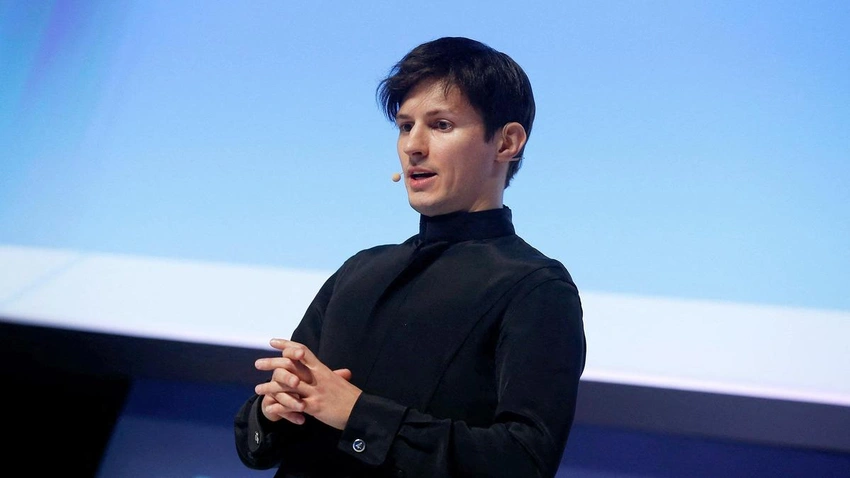
Russia Opens Criminal Probe into Telegram Founder Pavel Durov
Moscow launches a criminal case against Pavel Durov, alleging abetting terrorism as the Kremlin steers users to a state-controlled app ecosystem.
Moscow has opened a criminal investigation into Pavel Durov, the founder of Telegram, on suspicion of abetting terrorist activities. The case reportedly draws on materials from Russia’s security service, accusing the messaging platform of being compromised by Western and Ukrainian intelligence. Durov, who lives abroad, criticized the move as an attack on privacy and free speech, calling it a sad spectacle of a state afraid of its own people. He emphasized on social media that the investigation targets the right to privacy and expression, framing it as a broader push to curb dissent online.
In a broader crackdown, the Kremlin has been nudging millions of Russian users toward MAX, a state-controlled alternative, as part of a plan to build a sovereign internet with tighter government control. Authorities had previously slowed Telegram’s traffic in what Moscow described as multiple violations, though Telegram remains widely used by civilians and officials alike, avoiding outright blocking for now. Kremlin spokesperson Dmitry Peskov noted that authorities had identified material on Telegram that could potentially pose a threat and said appropriate measures were being taken.
Officials have also pointed to Telegram’s alleged role in security-sensitive incidents, including claims of involvement in Ukrainian plots against Russian targets and other violent activities since the war began, according to state outlets. Durov, who has long had a complicated relationship with the Kremlin, argues that the allegations amount to attempts to suppress dissent and the free flow of information. The case, if pursued, would deepen a confrontation over Russia’s free internet movement and its ambitions for a tightly controlled digital space. Critics warn the move could chill online speech, while supporters say it reflects legitimate security concerns in a volatile security environment.
As the investigation unfolds, observers will be watching not just Durov’s response, but how the Kremlin negotiates the balance between national security claims and the practical realities of a highly connected, widely used messaging app in a country still deeply invested in controlling the online landscape.
['#Durov', '#Telegram', '#RussiaNews']
