SC stays 2026 UGC equity rules amid caste-discrimination debate

SC stays 2026 UGC equity rules amid caste-discrimination debate
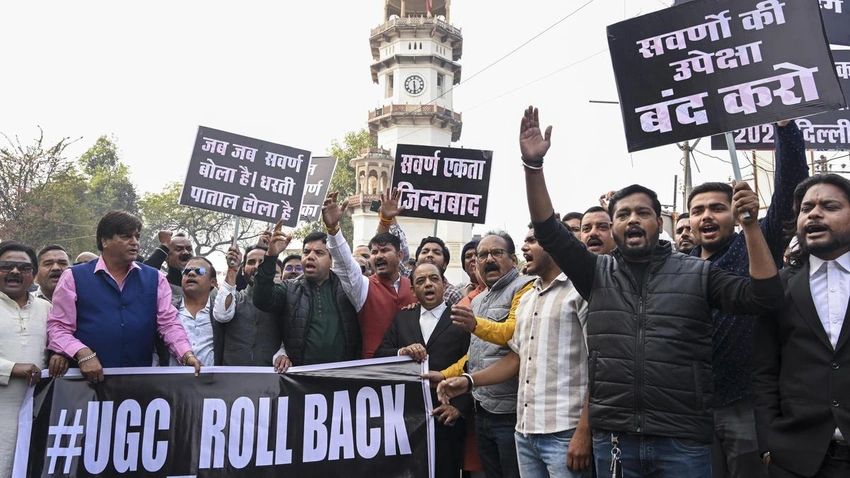
SC stays the 2026 UGC equity regulations as petitions highlight ongoing caste bias in Indian higher education, centering on Dalit student findings and reform debates.
In a major development affecting higher education reform, the Supreme Court on Thursday stayed the University Grants Commission's 2026 Equity Regulations, drawing renewed attention to how caste discrimination is addressed on Indian campuses. The petitions, filed jointly by the mothers of Rohith Vemula and Payal Tadvi, argue that campus bias against Dalit students remains a lived reality, not just a theoretical concern. They point to the deaths of Dalit students who faced caste bias—Vemula at Hyderabad Central University in 2016 and Tadvi at TN Topiwala National Medical College in 2019—as stark reminders of the stakes involved. They also reference a troubling record of suicides linked to caste-based pressures, including an estimated 115 such deaths between 2004 and 2024, underscoring why many activists view equity reforms as urgent. A key element of their case rests on a 2019 UGC letter urging officials and faculty to desist from discrimination against SC/ST students, which they say reflects the reality rather than a mere presumption of bias.
The petitioners contend that the 2026 Regulations rest on an unfounded presumption that caste discrimination is uni-directional, affecting only specific groups. They argue that on-campus dynamics—ranging from non-cooperation to ostracisation by those in authority—often occur within college walls and can be just as pernicious as overt bias. The stay comes after the apex court heard arguments surrounding the scope and definitions of caste-based discrimination and whether the new framework adequately protects marginalised students while implementing NEP-driven reforms.
The legal challenge highlights a broader policy debate: should equity rules be reframed to reflect campus realities more accurately, or should they be tightened to ensure consistent protections across institutions? Critics warn that redefining discrimination or rolling back safeguards could weaken protection for vulnerable students, while supporters insist that clear, enforceable guidelines are essential to creating truly inclusive campuses. The court’s temporary halt preserves the status quo while the case proceeds, leaving the future shape of higher education equity regulations in flux.
As this litigation unfolds, education advocates say the central question is whether reforms can be both robust and practical—delivering real protections for Dalit and other marginalised students without stifling academic governance. The conversation now turns to how best to balance accountability, due process, and campus autonomy in a system still grappling with the legacies of unequal access.
