DIY Filmmaking: Why You Don't Need the System Anymore, Says James Wan
DIY Filmmaking: Why You Don't Need the System Anymore, Says James Wan
Filmmaker James Wan believes the traditional studio system isn't necessary anymore. Discover how YouTube creators are reshaping Hollywood and what it means for the future of film.
The Rise of DIY Filmmaking: Is the Traditional Studio System Dead?
It’s a powerful statement from a seasoned hitmaker:
You don’t even need to be in the system anymore to get something made.
That’s James Wan, the visionary director and producer behind countless box office successes, speaking directly to the revolutionary shift in filmmaking.
For decades, Wan's production studio, Atomic Monster, has been ahead of the curve, actively scouting talent from unexpected places. He points to the very first movie they made, 'Lights Out,' as a prime example. Its director, David Sandberg, was one of those 'internet people' who created a short film that exploded on YouTube.
It's the bedrock of his strategic approach.
Technology: The Great Equalizer
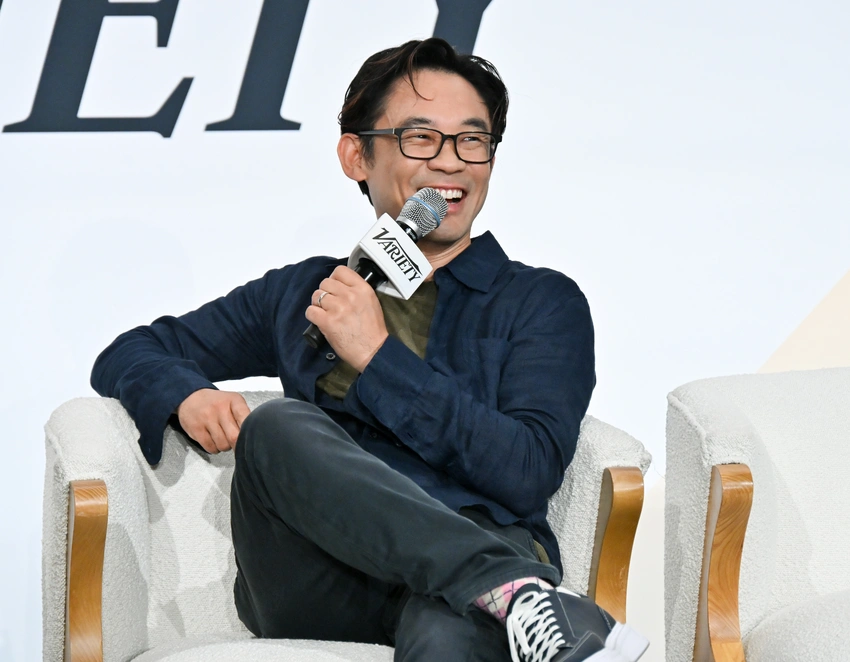
“Technology makes it so easy today to just go out there and shoot something,” Wan noted at a recent industry summit. This accessibility has democratized filmmaking, empowering creators to bypass traditional gatekeepers. If you craft something genuinely great, regardless of budget or scale, people will find it.
This direct connection with an audience is a game-changer.
For established players like Wan, this influx of new voices is a welcome challenge. It “keeps us on our toes” and combats complacency, ensuring the industry remains dynamic and innovative. Emerging filmmakers also benefit from immediate feedback, able to see how audiences respond to their content online and adapt their work in real-time.
Standing Out in a Crowded Market
With more filmmakers comes a more crowded marketplace.
To cut through the noise, Wan's advice is simple yet profound: focus on uniqueness.
He champions creating “small, intimate movies that have a high concept around them.” This approach allows for originality to shine without requiring massive budgets.
Wan's own career, which began with a short film that evolved into the 'Saw' franchise, exemplifies this path. His instinct for stories that resonate with audiences is his “secret sauce,” allowing him to connect with filmmakers on a fundamental level. While he leaves the financing intricacies to partners like Jason Blum of Blumhouse Productions, his creative mentorship is invaluable.
The Horror Advantage
Interestingly, the massive popularity of the horror genre is a key driver for this new wave of DIY creators. Wan, known for hits like 'Insidious' and 'The Conjuring,' attributes this to younger generations who grew up loving horror and were inspired to become filmmakers and critics themselves.
He recalls seeing 'Poltergeist' as a child, an experience that left such an indelible mark that a creepy doll figure has appeared in almost all his subsequent work.
Even with his extensive filmography, Wan continues to innovate. He's currently developing three new films, including a remake of the South Korean crime film 'The Gangster, The Cop, The Devil,' which he is set to direct. Atomic Monster also just released 'The Last Kiss' on digital platforms and has 'Other Mommy' haunting theaters on October 9.
The landscape of film is changing, and the power is shifting directly into the hands of the creators.
What Does This Mean for the Future of Film?
The rise of DIY filmmaking isn't a threat to the studio system, but rather an evolution.
It's creating a more diverse, dynamic, and responsive industry where talent can emerge from anywhere. The barrier to entry has never been lower, and the potential for groundbreaking storytelling has never been higher.
We are truly entering an exciting new era where creativity, more than capital, dictates what gets made and seen.

Login to comment.
No thots yet. Be the first to share your thoughts!