Kanye West apologizes for antisemitic remarks, cites bipolar disorder in WSJ ad

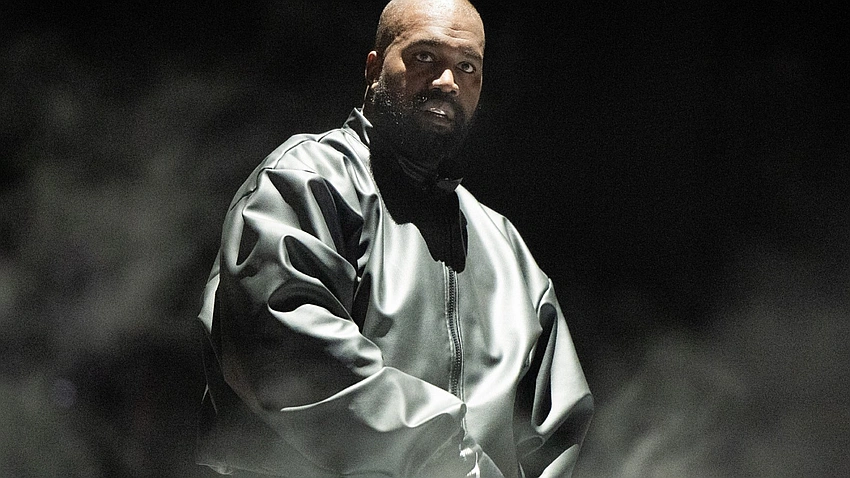
Kanye West apologizes for antisemitic remarks, cites bipolar disorder in WSJ ad
Kanye West issues a full-page WSJ ad apologizing for antisemitic remarks, blaming bipolar disorder and detailing treatment plans.
In a full-page advertisement placed in The Wall Street Journal on Monday, Kanye West issued an open letter titled 'To Those I’ve Hurt' and apologized for antisemitic remarks. The ad, funded by his Yeezy brand, marks a public attempt to reset a narrative that has drawn intense backlash over years of controversial statements. West describes a journey toward accountability, framing his actions as part of a larger struggle rather than a single moment in time.
He writes, 'I regret and am deeply mortified by my actions in that state, and am committed to accountability, treatment, and meaningful change.' The letter also recounts a significant personal turning point: a 2002 car accident that broke his jaw and damaged the right frontal lobe, with the interior neurological damage going unnoticed until 2023, a factor he ties to a bipolar type-1 diagnosis that he says now guides his decisions.
West asserts that he is now following 'an effective regime of medication, therapy, exercise, and clean living' as part of a structured plan to address his mental health and responsibilities as a public figure. The open letter also addresses past controversies, including antisemitic remarks and the sale of merch that drew widespread condemnation, noting that those actions harmed communities and undermined progress he hopes to make.
The WSJ ad has become a focal point in the ongoing conversation about accountability, mental health, and responsible leadership in the entertainment industry. While supporters view the move as a significant step toward transparency, critics caution that words must be matched by sustained, measurable change and a commitment to addressing harm caused by past behavior.
Placed on the front page of the newspaper in late January, the ad signals a deliberate effort to reinstate a public narrative after years of backlash. Whether this marks a durable pivot or a temporary pause remains to be seen as audiences and industry observers watch for continued actions that reflect the stated commitments.
