Drones strike Gulf nations as Trump sends mixed Iran-war signals

Drones strike Gulf nations as Trump sends mixed Iran-war signals
Dramatic drone attacks on Saudi Arabia and Kuwait collide with mixed messages from the US president, sending fresh jitters through markets and the region.
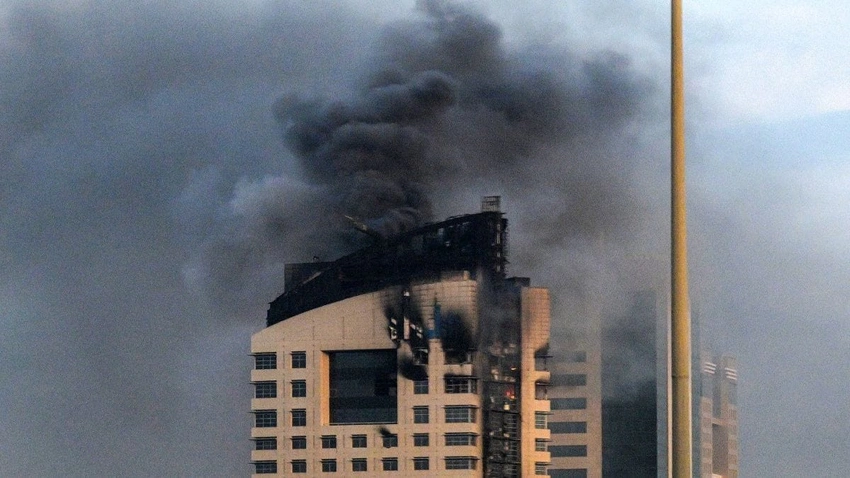
Drones launched by Iran targeted Saudi Arabia and Kuwait, escalating a tense regional confrontation that has drawn in multiple international players and threatened to widen the conflict. The strikes come as Israel reportedly stepped up its own actions against Iranian targets, while NATO confirmed the interception of an Iranian ballistic missile in its airspace and Turkey signaled readiness to defend itself amid growing regional instability. The rapidly evolving military moves have intensified market jitters and raised questions about the next steps for diplomacy and deterrence in the Middle East.
Across the Atlantic, US President Donald Trump offered contradictory assessments about the war with Iran. In Florida, he claimed the conflict could be over soon and that the United States had “already won,” but added it hadn’t “won enough” yet, insisting the US was ahead of its initial timeline and that “we’re knocking them out very quickly.” He also warned that Iran could attack the broader Middle East and Israel, a claim that further complicated a crisis already marked by rapid, high-stakes developments.
The day’s events have been underscored by a broader regional narrative, including reports that Iran elected Ayatollah Mojtaba Khamenei as its new leader, more than a week after his father’s death in an airstrike. Meanwhile, Israel’s offensive against Iran continued and leaders reiterated calls for pressure on Tehran, while Western and regional security teams monitor for further provocations. Analysts say the situation remains volatile, with the potential for miscalculation if miscommunications persist between Washington, Tehran and allied capitals.
As Gulf states brace for possible follow-on strikes and global oil markets respond to fear and uncertainty, the international community faces mounting pressure to de-escalate and pursue diplomatic channels. The next moves from Washington, Tehran and allied capitals will likely determine whether this crisis tightens its grip on regional stability or moves toward a fragile but achievable de-escalation.

Login to comment.
No thots yet. Be the first to share your thoughts!