Who Is Editing Our History? The Fight Over What Stays in Our National Parks

Who Is Editing Our History? The Fight Over What Stays in Our National Parks
Are our park signs telling the whole story? Recent moves to scrub uncomfortable history from public displays raise big questions about who controls the narrative of our past.
Whose History Is It Anyway? The Battle for Our National Parks
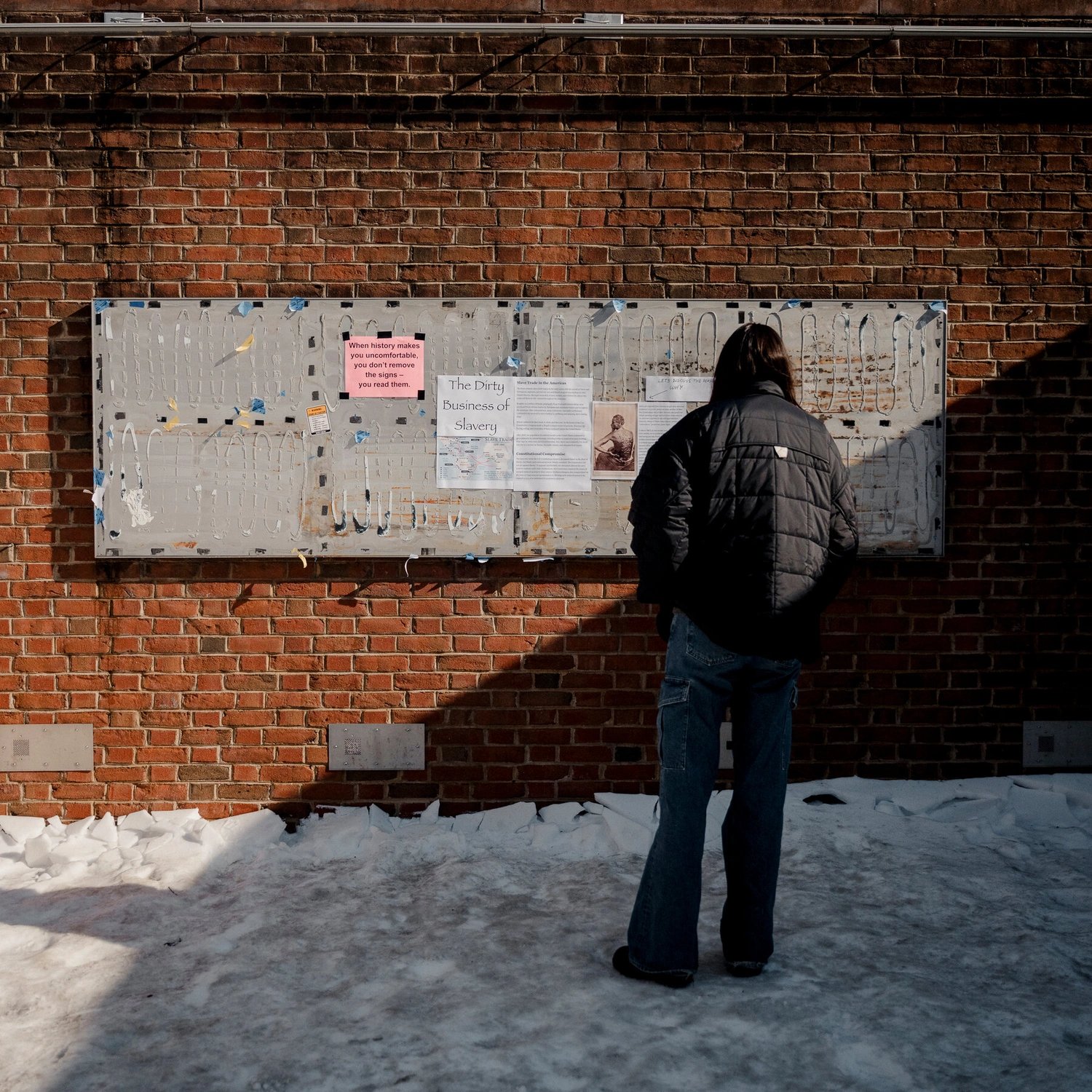
When you stand at the edge of a canyon or at the foot of a monument, you are doing more than just sightseeing. You are participating in a shared national memory. But lately, that memory has been getting a bit of a makeover. Recent reports suggest that government officials have been directed to scrub information that might be seen as disparaging to the United States from park displays. This raises a massive question: Who actually gets to decide which parts of our past are worth keeping and which are better left forgotten?
A Total Lack of Rules
The real problem isn't just the editing itself, but the lack of a clear framework. When you look at how these decisions are made, it feels like anyone's guess. There is no master manual that dictates what counts as disparaging versus what counts as factual history. Because of this, we see striking inconsistencies. One park might keep a plaque about a difficult conflict, while another removes a sign because it feels a little too uncomfortable for the current political climate. This isn't just a matter of changing a few words. It is a fundamental shift in how we present our identity to the world.
Why Nuance Matters
History is rarely a clean, happy story. It is a collection of triumphs, failures, and hard-learned lessons. When we start sanitizing the displays in our parks, we are not just protecting a reputation. We are deleting the context that allows us to grow. If we only show the highlights, we are not being honest with ourselves.
- Public spaces belong to everyone. They shouldn't be used as billboards for whichever administration is currently in power.
- History requires nuance. You cannot understand the greatness of a nation without understanding the struggles it overcame.
- Transparency is vital. We need to know who is making these calls and what their criteria are.
The Danger of Political Erasure
If we allow history to be edited based on the whims of the day, we end up with a version of the past that is hollow. Public memory is a living thing. It should be shaped by historians, community members, and the people who lived the stories, not just by a directive from a high-level office. When we remove the difficult parts of our narrative, we lose the chance to learn from them.
Next time you visit a National Park, take a closer look at the signs. Ask yourself what might be missing. Because in the end, if we don't protect the full story, we might just forget who we really are.
