Delhi wakes to very poor air as AQI hits 344; four stations in severe range

Delhi wakes to very poor air as AQI hits 344; four stations in severe range
Delhi battles very poor air with AQI at 344 as four stations report severe pollution; conditions likely to persist over the coming days.
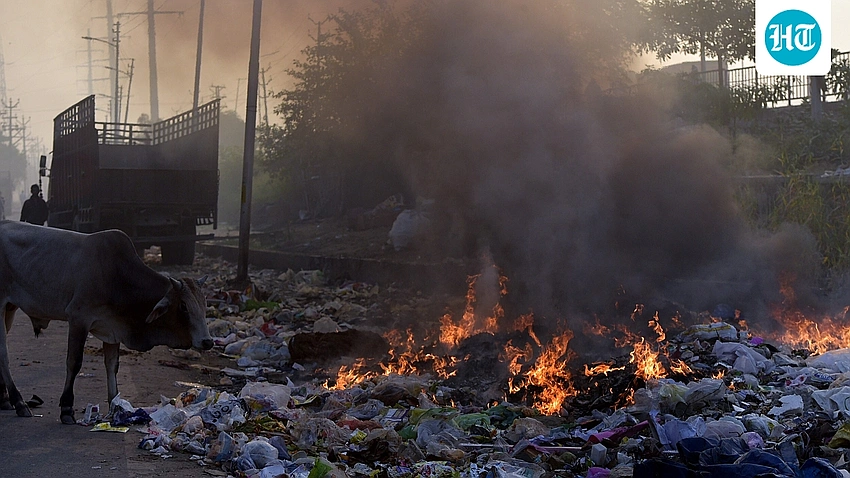
Delhi woke up to very poor air as the city’s air quality index touched 344 on Tuesday, according to CPCB data. Among 37 monitoring stations, four districts—Bawana (426), Wazirpur (412), Jahangirpuri (418) and Vivek Vihar (402)—were in the severe range, signaling a stubborn bout of pollution across key pockets of the capital. The situation underscores a broader pattern of deteriorating air quality, with forecasters predicting the very poor category to persist in the coming days.
In CPCB classifications, an AQI between 0 and 50 is good, 51 to 100 satisfactory, 101 to 200 moderate, 201 to 300 poor, 301 to 400 very poor, and 401 to 500 severe. The current readings place Delhi near the upper end of the scale, raising health concerns for children, the elderly, and those with respiratory conditions. Health advisories typically urge minimizing outdoor activity and using masks when stepping outdoors.
Weather context adds to the challenge: the overnight minimum settled at around 9.6°C, about 2.7 degrees below the season’s average, while daytime temperatures may hover near 26°C. Cooler nights can help trap pollutants at ground level, limiting dispersion and prolonging exposure for residents.
Meteorologists forecast limited wind speeds in the near term, which could sustain stagnant conditions and keep air quality in the very poor range. Authorities reiterate precautionary measures—staying indoors during peak pollution hours, sealing windows, using air purifiers, and consulting health advisories for vulnerable groups. Even as Delhi grapples with this episode, residents remain hopeful for a gradual improvement as weather patterns shift and agricultural burning reduces.
Cover image source: Delhi AQI stays ‘very poor’, Ghaziabad hits ‘severe’ amid below-average temperature 🔗
