Reincarnation Assured: Dalai Lama Outlines Plan for Successor

Reincarnation Assured: Dalai Lama Outlines Plan for Successor
In a significant announcement, the Dalai Lama confirms the Tibetan Buddhist institution will persist after his death, stressing historical customs in the successor's selection. Learn more!
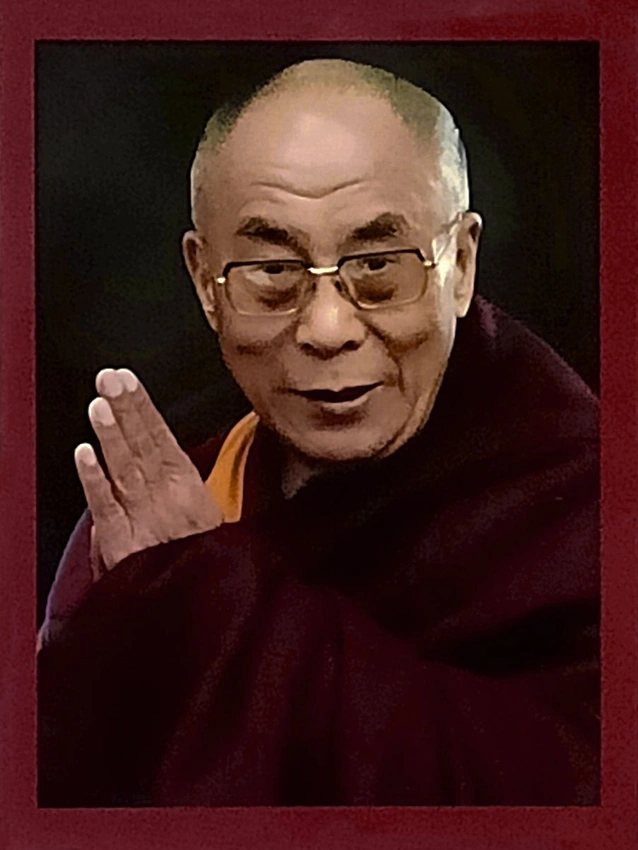
After years of speculation that he might be the last person to hold the position, the Dalai Lama announced on Wednesday that the centuries-old Tibetan Buddhist institution will continue after his death. He would be reincarnated if he had a successor.
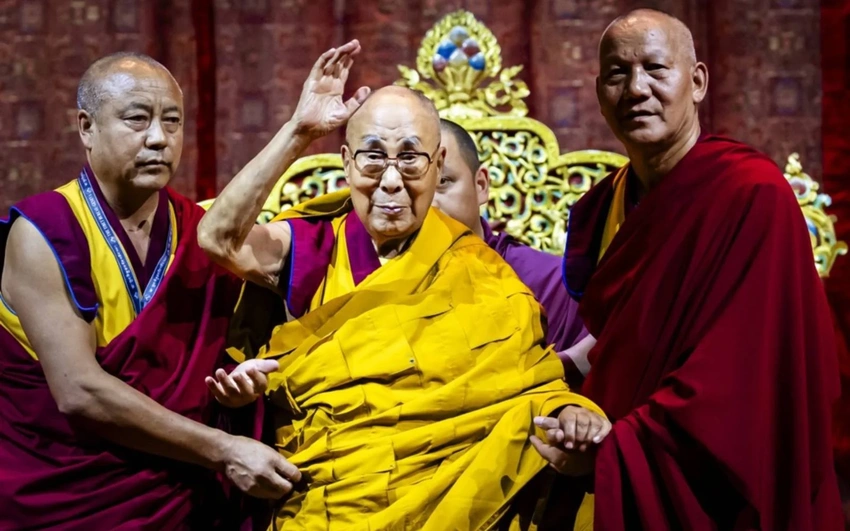
At prayer ceremonies held in advance of his impending 90th birthday, the Nobel Peace Prize-winning spiritual leader of Tibetan Buddhism stated that the next Dalai Lama should be identified and acknowledged in accordance with historical Buddhist customs, while indicating that China should refrain from involvement in the selection process.
For the majority of Tibetans who oppose China's strict control over Tibet and have fought to preserve their identity, whether in exile or at home, the Dalai Lama's succession plan has political ramifications. For Tibetan Buddhists, who revere him as a living embodiment of Chenrezig, the Buddhist deity of compassion, it is also profound.
However, China, which has stated time and time again that it alone has the power to approve the next religious leader, is likely to be offended by the decision. It gives Communist authorities control over the selection process and demands that the reincarnated figure be located in Tibetan regions of China. There will eventually be rival Dalai Lamas, according to many observers, one chosen by Beijing and the other by senior monks who support the current Dalai Lama.
During a daily news briefing on Wednesday, Chinese Foreign Ministry spokesperson Mao Ning stated that "the reincarnation of the Dalai Lama must adhere to the principles of domestic search in China" and "approval by the central government."
The procedure must "follow religious rituals and historical settings, and be handled in accordance with national laws and regulations," according to Mao.
In 1940, Tenzin Gyatso became the fourteenth Dalai Lama. He left Tibet in 1959 after Chinese troops put down an uprising in the Tibetan capital, Lhasa. Since then, he has been residing in the Indian town of Dharamshala, where he has been traveling the world to promote Tibetan autonomy and assisting in the establishment of a democratic government-in-exile.
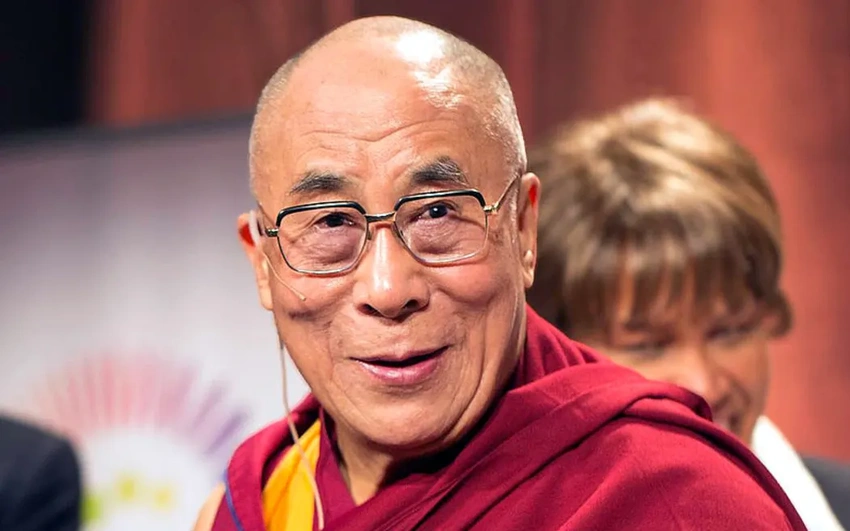
Tibetan Buddhists hold that, as has occurred 14 times since the institution's founding in 1587, the Dalai Lama can select the body into which he is reincarnated. His successor would be born outside of China, as he has previously stated. At a religious assembly of Buddhist monks in Dharamshala, the Dalai Lama recorded a statement that was broadcast on television, outlining his succession plan. He claimed that only the Gaden Phodrang Trust, a non-profit organization he established in 2015 to manage affairs about the spiritual leader and the Dalai Lama Institute, could identify and acknowledge his reincarnation.
"No one else has any such authority to interfere in this matter," he said, adding that the search for a future Dalai Lama should be carried out in "accordance with past tradition."
The Dalai Lama has frequently exhorted his followers to turn away anyone Beijing selects. This position is also supported by the self-declared Tibetan government-in-exile that he previously led before resigning from politics in 2011. Tibetans worldwide made "an earnest request with single-minded devotion" that the Dalai Lama's position be maintained "for the benefit of all sentient beings in general and Buddhists in particular," according to Penpa Tsering, president of the government-in-exile.
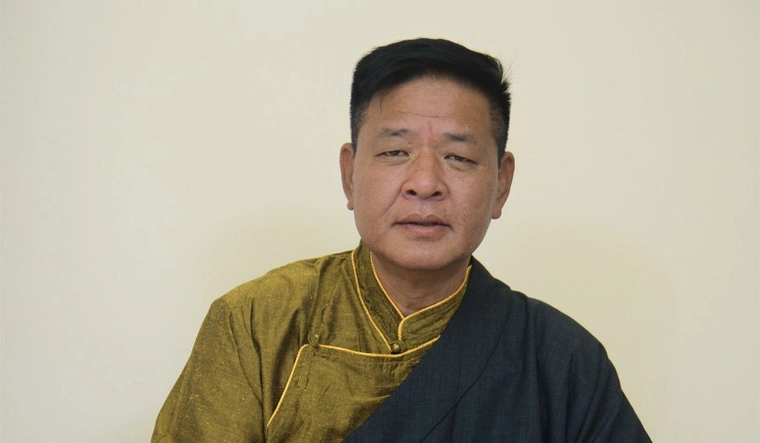
"In response to this overwhelming supplication, His Holiness has shown infinite compassion and finally agreed to accept our appeal on this special occasion of his 90th birthday," he said at a press conference.
However, Tsering cautioned China against interfering with the succession of the Dalai Lama, citing it as a "unique Tibetan Buddhist tradition."
"We not only strongly condemn the People's Republic of China's usage of reincarnation subject for their political gain, and will never accept it," he said.
Only after the incumbent's passing does the search for the Dalai Lama's reincarnation begin. It can take a number of years after the next Dalai Lama is recognized as a baby and prepared to assume leadership. Traditionally, senior monastic disciples have chosen the successor based on spiritual signs and visions.
#DalaiLama #TibetanBuddhism #SpiritualLeadership #Reincarnation #China
