Skin Memory: Why Your Face “Remembers” Past Breakouts and Reacts the Same Way Again

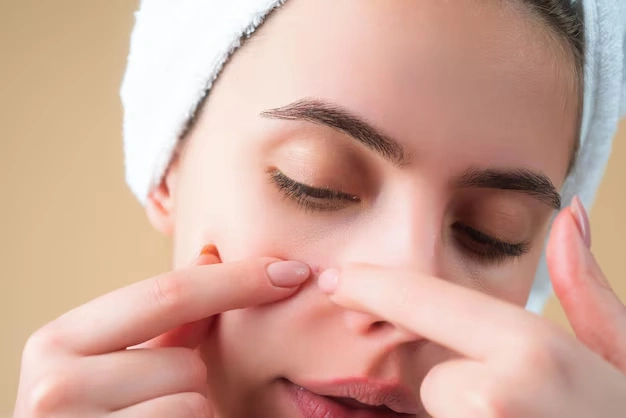
Many people feel trapped in a cycle where acne returns to the exact same spots again and again. Even after a blemish heals, the area seems primed for another breakout weeks or months later. This phenomenon is not random. Dermatological research suggests that skin retains a form of “memory” after inflammation, making previously affected pores more vulnerable to future issues. In response, individuals often adopt a dermatologist recommended face wash 🔗 to prevent recurrence, but without understanding skin memory, treatment can feel like a never-ending loop. Recognizing how past inflammation reshapes skin behavior is key to breaking that cycle.
What Is Skin Memory?
Skin memory refers to long-lasting structural and cellular changes that remain after inflammation resolves. When acne damages tissue, the body repairs it, but the repaired area may not be identical to the original.
Residual changes can include:
• Altered oil gland activity
• Thickened pore lining
• Subtle scarring beneath the surface
• Persistent low-level inflammation
• Changes in local immune response
These modifications make the area more susceptible to clogging and irritation in the future.
Why Breakouts Recur in Identical Spots
Certain pores are anatomically predisposed to congestion due to their shape, size, or oil output. When inflammation occurs, these vulnerabilities intensify.
Repeated breakouts often happen because:
• Scar tissue narrows the pore opening
• Oil becomes trapped more easily
• Dead skin cells accumulate faster
• Bacterial colonies establish long-term presence
As a result, even minor triggers can reactivate the cycle.
The Role of Subsurface Scarring
Not all scarring is visible. Microscopic fibrotic tissue can form beneath the skin, subtly altering how oil flows through the pore. This tissue may block normal drainage, creating a reservoir for future congestion.
Subsurface scarring also reduces elasticity, making it harder for the pore to expand and release buildup naturally.
Immune System Imprinting
After a severe breakout, immune cells may remain primed in the area. This heightened vigilance can cause exaggerated responses to minor irritants.
Instead of resolving quietly, small blockages can escalate quickly into inflamed lesions because the immune system reacts more aggressively than necessary.
Oil Gland Hyperactivity After Inflammation
Sebaceous glands sometimes increase production following injury as part of the healing process. Unfortunately, this protective mechanism can backfire by creating excess sebum that clogs pores again.
Hormonal fluctuations amplify this effect, particularly along the jawline and chin.
Behavioral Reinforcement of Skin Memory
Human habits often reinforce biological patterns. If someone frequently touches or picks at a specific area, microtrauma accumulates, prolonging vulnerability.
Common reinforcing behaviors include:
• Resting the face on hands
• Picking at healing lesions
• Applying heavy products to conceal marks
• Inconsistent cleansing routines
Breaking these habits is as important as choosing the right treatments.
Post-Inflammatory Changes in Pigmentation
Even when texture appears normal, discoloration indicates that deeper processes are still active. Pigment-producing cells remain stimulated, signaling ongoing repair.
This prolonged activity can coincide with increased sensitivity, making the area react more strongly to environmental stressors.
Scientific Perspective on Acne Recurrence
Acne is one of the most common chronic skin conditions. According to the American Academy of Dermatology, it affects up to 50 million Americans annually, and many experience recurring lesions over several years.
The chronic nature of acne supports the concept that underlying skin changes persist beyond individual breakouts.

Barrier Weakness in Previously Affected Areas
Inflamed skin often loses moisture more easily due to barrier disruption. Even after healing, the barrier may remain fragile, allowing irritants to penetrate more readily.
Signs of lingering barrier weakness include:
• Dryness or flaking in specific zones
• Increased sensitivity to products
• Redness triggered by mild stimuli
• Slower recovery from irritation
Strengthening the barrier helps reduce the likelihood of recurrence.
Why “Spot Treating” Alone Is Not Enough
Focusing only on visible pimples ignores the altered environment that produced them. Preventive care must address the entire region, not just individual lesions.
Comprehensive strategies involve:
• Maintaining consistent oil control
• Supporting barrier repair
• Minimizing friction and irritation
• Monitoring hormonal influences
Environmental Factors That Reactivate Skin Memory
External triggers can awaken dormant vulnerabilities:
• Sudden climate changes
• Air pollution exposure
• New cosmetics or skincare products
• Stressful periods
• Poor sleep quality
Because the affected area is already sensitive, it reacts more quickly than the rest of the face.
Long-Term Prevention Strategies
Breaking the recurrence cycle requires patience. Structural changes in the skin cannot be reversed overnight, but consistent care can gradually normalize function.
Effective long-term approaches include:
• Gentle cleansing without stripping natural oils
• Regular but mild exfoliation
• Hydration to maintain elasticity
• Sun protection to prevent further damage
Over time, these practices reduce the likelihood that old problem zones will flare up again.
Psychological Impact of Recurrent Acne
Repeated breakouts in the same spot can feel particularly discouraging because they suggest lack of progress. This perception may lead to over-treatment or product hopping, which further irritates the skin.
Understanding skin memory reframes the issue as a biological process rather than personal failure.
Conclusion: Healing Beyond the Surface
Acne does not end when a pimple disappears. The skin continues to adapt, repair, and sometimes remain vulnerable long after visible signs fade. Recognizing this hidden aftermath allows for more realistic expectations and smarter prevention strategies. Protective measures such as an invisible pimple patch 🔗 can shield healing areas from friction and contamination, reducing the chance that fragile pores will become reinflamed. By treating the entire recovery phase rather than only active lesions, individuals can gradually retrain their skin to respond more calmly over time.
Call to Action
If you are looking for solutions that support both active treatment and long-term skin resilience, explore the thoughtfully developed skincare range at World of California 🔗. Consistent, gentle care can help your skin move beyond the cycle of recurrence toward lasting balance.
FAQs
Why does acne keep returning to the same spot?
Structural changes, subsurface scarring, and persistent oil activity make previously affected pores more prone to clogging.
Can skin memory be reversed?
While it may not disappear completely, consistent care can significantly reduce sensitivity and recurrence over time.
Does picking make skin memory worse?
Yes. Repeated trauma increases inflammation and scarring, strengthening the cycle of vulnerability.
Why does healed skin still feel sensitive?
Barrier disruption and lingering inflammation can persist even after visible redness fades.
Are recurring breakouts always hormonal?
Not always. Hormones are one factor, but structural and environmental influences also play major roles.
