Where Should I Start Blogging in 2025? A Beginner's Guide


Where Should I Start Blogging in 2025? A Beginner's Guide
Ready to start your blogging journey? Discover the best blogging platforms and how to choose the right platform.
If you’ve been thinking about starting a blog in 2025, you’re probably staring at a dozen tabs: “best blogging sites,” “WordPress vs Wix,” “how do I even start a blog?”
I’ve been there. In fact, I tried blogging once before, back when I was a teenager. I started with WordPress.com 🔗 because everyone online said it was the “best blogging platform.” And sure, it looked promising. I picked a theme, thought of a few topics, and posted once or twice a month. But something never clicked. It felt like I was spending more time just trying people to read my blog than actually blogging or thinking about quality.
Soon enough, I stopped.
I didn’t stop writing, but I stopped blogging. It felt like too much marketing/SEO and not enough expression. So this time around, I’m trying something different here. I’m building an audience by writing about blogging itself, taking you all on my own journey, to see and show what works, what doesn’t, and how to actually enjoy the process.
If you’re just starting, this guide is for you. I’m going to walk you through the blogging landscape, what options you have, and how to choose the right platform based on how you think, not just what’s trending.
What’s the Difference Between a Blogging Tool and a Blogging Platform?
This confused me for years. Most articles, and even AI, use these terms interchangeably. They throw around terms like WordPress, Wix, Blogger, Medium, as if they’re all the same thing. But they’re not.
Here’s a simple way to think about it:
Blogging tools = you’re building your own blog from scratch
These are platforms like:
- WordPress.org 🔗
- Wix
- Ghost
- Squarespace
They’re powerful, but they expect you to act like a mini web designer. You need to think about domain names, themes, plugins, hosting, SEO, and design, all before writing your first post.
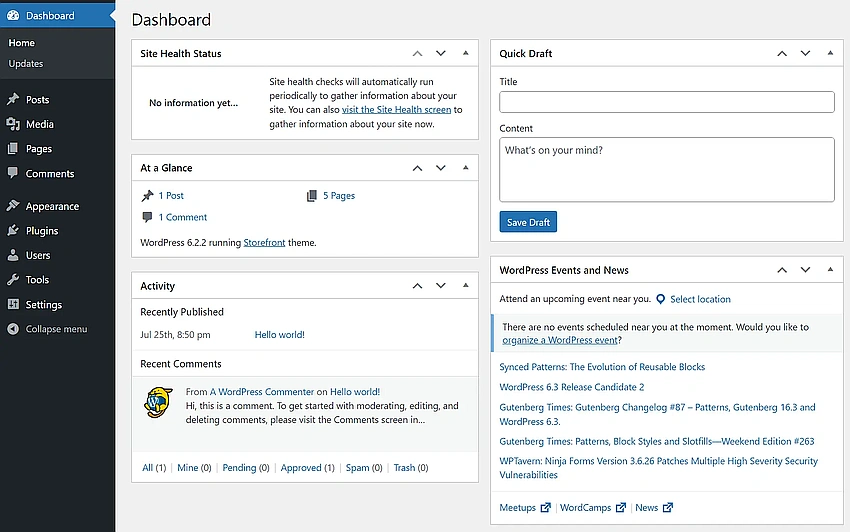
Most importantly, you have to work yourself to drive each and every view to your articles. For new websites, no one will "stumble upon" them, so you have to constantly think about social media marketing, Whatsapp broadcasts, Facebook pages or dedicated Instagram accounts, which will take up as much or more time than writing blog posts. And not to forget yo'll have to learn Google Analytics to track traffic.
If you enjoy tinkering and want full control, great. But if you’re just trying to share your ideas and see what sticks? It can feel like learning to drive by first building the car.
Blogging platforms = you just focus on writing
Platforms like:
- Medium
- Thoxt
- Substack
They handle the design, hosting, and publishing. No coding or upfront fees/work required. You just show up and write. Def my personal recommendation for top blogging sites today are Thoxt and Medium. Most importantly, these platforms have built in audience, so you don't have to super-promote on social media or Whatsapp to get your first few reads.
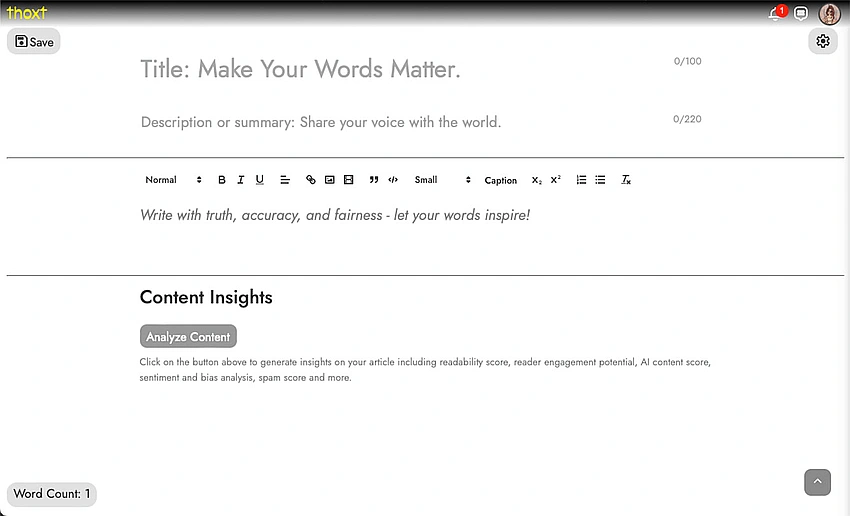

One of them (Thoxt) even helps you discover topics, lets you add an editor, keeps previous versions of your draft and gives insights on how to improve your writing. It's like having some of the best features of Wordpress without the trobles. Think of it like joining a writers’ café instead of building your own café from scratch. The only tradeoff is that these platforms don't let you use your own domain name - it's like social media where you get to choose your own username and you get your profile, sort of like a writing portfolio.
Middle Ground = No Coding but You Get the Traffic
Platforms like:
- Wordpress.com 🔗
- Blogger
They handle the design, hosting, and even let you use your own domain name (or not). But they give you a free space to post your work only. You can't rely on any built-in social media-like audience to get discovered. So it's like creating your own writer's cafe but the space you don't have to build it.
Non-Blogging platforms = blogging is not the ultimate use
Platforms like:
- Quora
These are well-known platforms but blogging is not their ideal use. So you get to put your work in front of the readers who are not really looking to read blog articles. Or they may be limited to certain topics or formats such as LinkedIn is only for career-related safe-for-work posts. Think of it like joining a science-nerds café to write in instead of building your own café from scratch.
So What’s the Best Blogging Platform for Beginners in 2025?
Let’s break down a few popular blogging platforms for beginners and what they’re best (or not-so-best) at:
Medium is a bit boomer-y but great if you enjoy long-form, essay-style writing, especially about serious topics like tech or psych and a clean reading experience. It has a built-in reader base, so your posts might get discovered organically. But the downside is that Medium can feel a bit closed off - your blog doesn’t really feel like yours, especially because they can pay-wall your content and they don't have a reading landing page for non-logged in users. Moreover they don't support videos and it's defy not for silly stuff like memes. You’re writing on Medium, not really building something personal.
Substack is ideal if you like the idea of writing newsletters and reaching subscribers directly. It’s email-first, which is powerful if you're consistent and niche-focused. That said, Substack doesn’t prioritize blog-style discovery. People usually find you through links or referrals, not by browsing topics like they would on a content platform, but yes the articles are findable on Google.
WordPress.com 🔗 is a traditional choice that’s been around for ages. It offers templates, basic customization, and some SEO-friendly options. But it can feel clunky if you don’t already know your way around widgets, tags, and plugins. When I first tried it, I ended up spending more time tweaking my layout than writing. But it's good if you want to take control of your own domain name and traffic.
Thoxt, on the other hand, is built for modern creators. It's something like Instagram but for blogging and journalism. It supports different writing formats - blogs, diaries, opinion pieces, poetry, a mix of video content, and it recommends topics and gives article insights to optimize for engagement. It’s designed to feel more like a creative playground than a CMS, and the audience is still growing, which makes early voices easier to discover. It’s also one of the few platforms I’ve seen that genuinely encourages expression over perfection, so it gets my vote for the best blogging platform for beginners.
Why I’m Writing on Thoxt Now (And Why You Might Like It Too)
Thoxt is getting very popular in my college as other platforms have started to feel outdated and more boomer-y. But I didn’t join Thoxt because it was the most popular. I joined because I wanted to actually enjoy blogging again. The kind of blogging where you explore an idea, share it, and maybe spark a conversation. Not blogging to “optimize” something or design the perfect landing page.
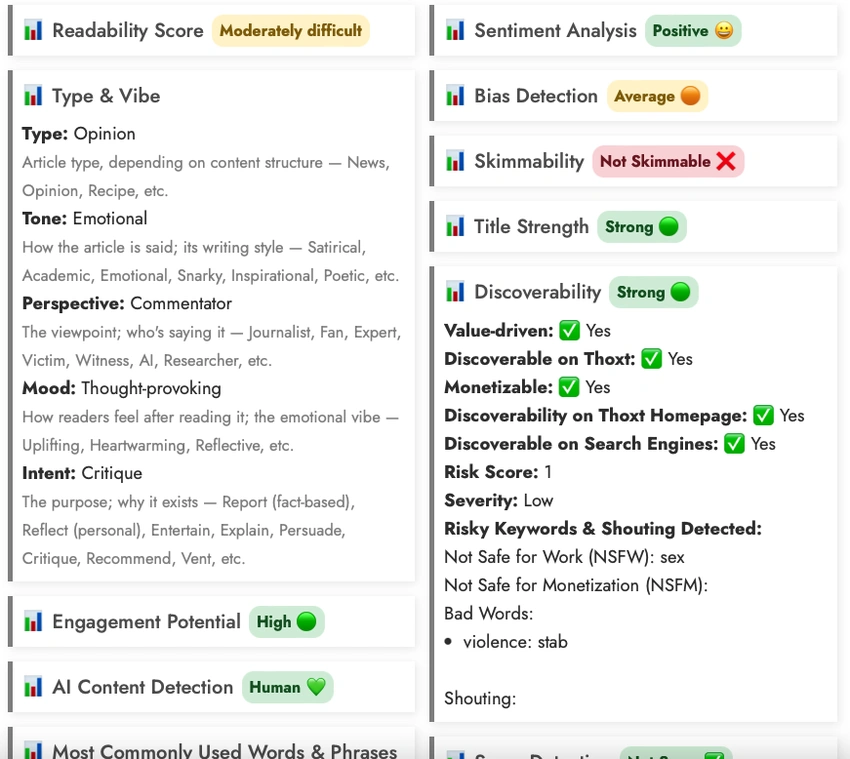
What I’ve found so far:
- It’s ridiculously easy to post. No setup. It literally took me a few seconds to make an account and post my first article. No overthinking categories or meta tags. It even uses AI to automate genre-selection, keywords, title writing and so much more.
- It supports different writing moods. Want to rant? Reflect? List things? Post serious news? There’s someone here to vibe with.
- It helps you find ideas. When I’m stuck, it suggests new topics based on what I like to write about.
- There’s a creative, emerging community. I actually want to read what others are writing here. Some people are actually inspirational with writing video-supported articles.
Will I be famous by next month? Probably not. But I’ve written more in the last two weeks than I did in an entire year on WordPress.
Not Sure Where to Start? Ask Yourself This:
Before picking a platform, ask:
- Do I want control over design and branding?
- Or do I want to focus on writing and see where it goes?
If it’s the second one, skip the templates, plugins, and dashboards. Just find a place where you can write, and keep writing.
Blogging Doesn't Need to be a Project in 2025
Blogging in 2025 doesn’t need to be anything more than posting a selfie on Instagram. It's the post-AI era - we need to be playful and creative or AI will take over. Be yourself. Experimental. Honest. It can be a way to reflect, document, connect, and even heal. You don’t need to be an expert. You just need a space where your thoughts are welcome.
If that’s what you’re looking for, I’d say go for it.
And if you’re like me, someone who gave up blogging once because it felt too complicated, maybe this time, it’ll feel different.
Because this time, it’s not about building a blog anymore. It’s about building a voice.
#BloggingTips #StartABlog #ContentCreation #BloggingCommunity #2025Blog

Login to comment.
No thots yet. Be the first to share your thoughts!