Prime Day 2026: Half Off Fire Sticks, But Are We Actually Saving?

Prime Day 2026: Half Off Fire Sticks, But Are We Actually Saving?
Prime Day promises huge savings, but does it just encourage us to spend more? We dive into the psychology behind the deals, like the Fire TV Stick 4K Max, and what it means for your wallet.
As the calendar ticks toward what we anticipate will be another massive sales event on June 23, 2026, the perennial question around Prime Day emerges: are we truly saving money, or just being cleverly coaxed into buying more? This isn't just about a single transaction; it's about the bigger picture of consumer behavior in an era of engineered urgency.
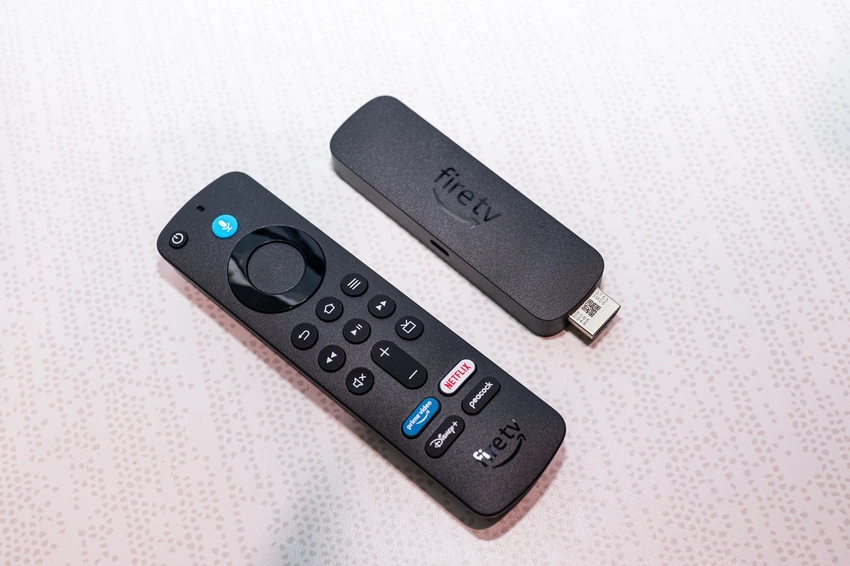
Take, for instance, a deal that's become a hallmark of these events: the Fire TV Stick 4K Max . We've seen these streaming devices offered at almost half off. For dedicated Prime Video devotees, it's positioned as a 'cheap way to stream content,' a no-brainer upgrade or addition.
And on its face, it is a fantastic price for a specific product.
But this singular, undeniable bargain is often the gateway drug to a shopping spree.
The paradox is clear: one impressive discount, like on the Fire TV Stick 4K Max, can anchor our perception of the entire sale. We see that 'almost half off' and our brains light up with the thrill of a good deal. Suddenly, other items in our cart, perhaps only 10% or 20% off, feel like savings too, even if we weren't planning to buy them in the first place.
The perceived value of the sale overshadows the actual necessity of the purchase.
It's a masterclass in retail psychology. The limited-time offers, the countdown timers, the lightning deals, they all create a powerful sense of FOMO, or 'fear of missing out.' We're told these prices won't last, that this is our one chance for that Fire TV Stick 4K Max, or that smart home gadget we hadn't considered until it flashed across our screen with a 'deal of the day' banner.
This urgency overrides rational thought, pushing us to click 'add to cart' before we've truly assessed if we need it, or if it fits our budget.
And let's be real, are we comparing prices?
Do we remember what that Fire TV Stick 4K Max costs on a regular Tuesday in March? Probably not.
We trust the 'original price' displayed, and the 'half off' seems like an undeniable win. But when we tally up the total at the end of the day, including all the 'great deals' we snagged, items we didn't budget for, impulse buys, or replacements for things that weren't broken, did we save ? Or did we simply spend more than we would have otherwise?
Moving forward into 2026, the savvy consumer needs to adopt a more critical lens.
Before hitting 'buy now,' ask yourself: Was this on my list before the sale?
Do I genuinely need it?
Am I buying it because it's a good deal, or because I genuinely desire and can afford it? The true savings aren't found in a percentage off, but in avoiding unnecessary purchases altogether. Let's reclaim our wallets from the allure of the 'paradoxical' Prime Day.
