Taiwan Opposition Fails Impeachment Bid Against President Lai Amid Deep Rift

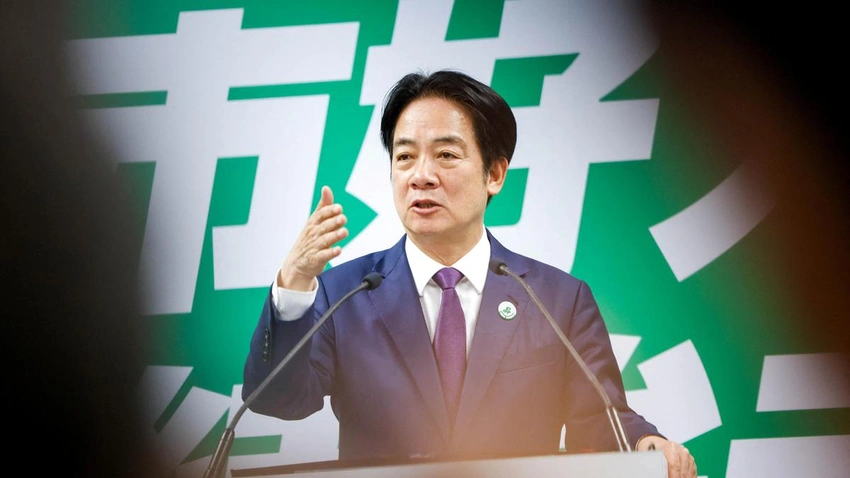
Taiwan Opposition Fails Impeachment Bid Against President Lai Amid Deep Rift
Taiwan's political tensions escalate as opposition parties fail to impeach President Lai Ching-te on May 19, 2026. A deep rift over defense spending and constitutional claims divides the island's Parliament, highlighting
Taiwan's opposition lawmakers made a failed bid on Tuesday, May 19, 2026, to impeach President Lai Ching-te. The motion, launched by lawmakers from the Kuomintang (KMT) and Taiwan People's Party (TPP), fell well short of the minimum votes required, signaling persistent political gridlock on the island.
President Lai and his Democratic Progressive Party (DPP) have been embroiled in a bitter conflict with the two opposition parties, which control the Parliament, since he took office in May 2024. The impeachment proceedings were initiated after Mr. Lai and his premier refused to sign off on a revenue-sharing bill passed by Parliament. Both sides have accused each other of violating Taiwan's Constitution, with opposition legislators describing Mr. Lai as "dictatorial."
In a counter-accusation, DPP lawmaker Wu Szu-yao stated on Monday, May 18, that the KMT and TPP "are coordinating with external hostile forces to manipulate Taiwan's political struggles." The final vote saw 56 lawmakers supporting impeachment and 50 against it. This number was significantly below the two-thirds majority of the 113-seat parliament needed for the motion to succeed.
Following the vote, Premier Cho Jung-tai vowed to "continue to push for reconciliation and coexistence" with the opposition parties. However, divisions remain deep, particularly concerning Taiwan's defense strategy. A key point of contention has been over how much to spend on defending the island against a potential attack from China, which claims Taiwan as its territory and has threatened to seize it by force.
The KMT and TPP rejected the government's proposed NT$1.25 trillion in spending on critical weapons, an allocation that included U.S. arms and domestically procured drones and other munitions. Instead, after months of political wrangling, the opposition parties passed a budget of NT$780 billion, specifically earmarked for U.S. arms only. President Lai has openly stated he "won't give up" on defense spending, aiming to increase it to 5% of GDP by 2030 from the current approximate 3%. This ongoing struggle over crucial national security expenditures underscores the profound political challenges facing Taiwan.
#TaiwanPolitics #LaiChingTe #DefenseSpending #TaiwanImpeachmentVote
