The Quiet Transition Phase Between Breakouts and Healthy Skin
The Quiet Transition Phase Between Breakouts and Healthy Skin
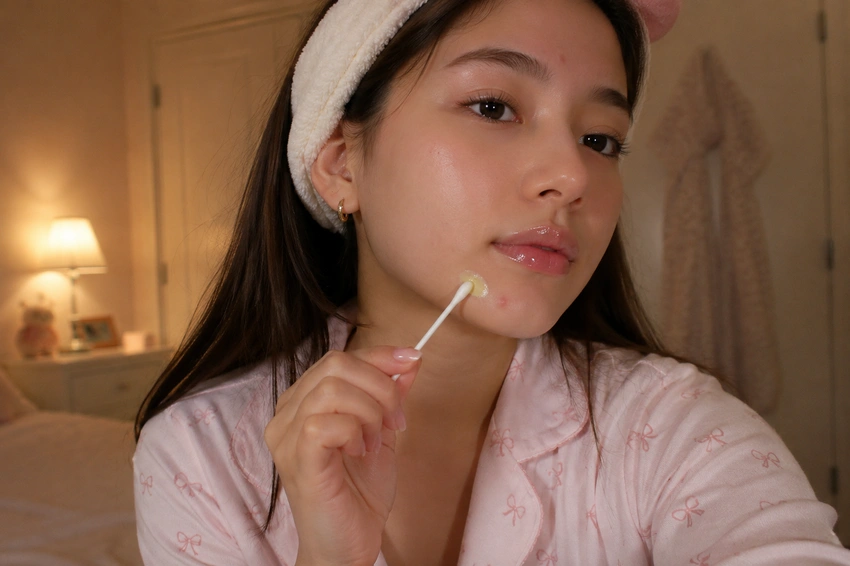
There is a frustrating skincare phase that almost nobody prepares for. It happens when someone finally commits to a proper routine, starts seeing tiny improvements, and then suddenly their skin looks worse again. New bumps appear, texture feels uneven, old marks become more visible, and confidence drops instantly. Most people assume the products are failing. In reality, the skin may actually be entering a repair stage.
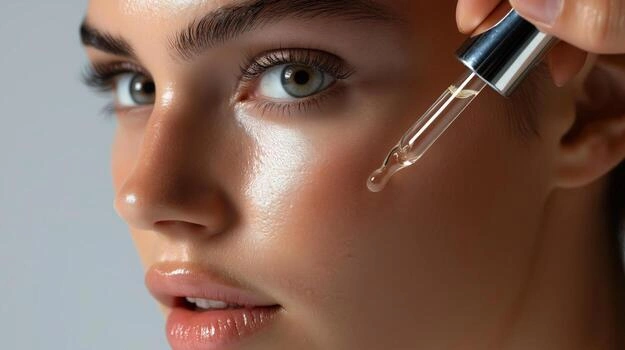
This temporary instability often happens when the skin begins reorganizing itself after long periods of inflammation, dehydration, clogged pores, or inconsistent care. A carefully chosen niacinamide serum for oily skin 🔗 may help regulate excess oil over time, but the skin still needs time to calm its internal stress signals. That transition period is rarely discussed openly because skincare conversations usually focus only on dramatic before and after results.
The truth is that skin recovery is rarely linear. Sometimes improvement looks messy before it becomes visible.
The Skin “Traffic Jam” Nobody Talks About
Healthy skin constantly sheds dead cells naturally. But when pores stay clogged for long periods, the skin surface becomes uneven. Oil, bacteria, dead cells, sweat, and inflammation all compete for space inside pores.
Think of it like traffic congestion inside the skin.
When a proper skincare routine begins, products that support exfoliation, oil balance, and hydration can slowly increase skin turnover. As that happens, underlying congestion may start surfacing more quickly. Tiny bumps become visible before eventually clearing.
This does not always mean irritation. Sometimes it simply means the skin is finally processing buildup that had been sitting underneath for weeks.
The challenge is that most people panic during this phase and completely replace their routine too early.
Why Texture Changes Are More Important Than Breakouts
People often judge their skin only by visible pimples, but texture actually reveals much more about overall skin health.
For example:
- Roughness may indicate dehydration
- Tiny flesh colored bumps can suggest congestion
- Tight shiny skin may signal barrier stress
- Uneven patches can reflect inflammation underneath
Texture changes usually appear before major breakouts do.
This is why modern acne care increasingly focuses on maintaining smooth barrier function rather than aggressively drying every blemish. Hydration, calming ingredients, sunscreen, and targeted treatments all contribute to improving how the skin behaves overall.
In many cases, smoother texture is the first real sign that a routine is working, even before acne fully clears.
Why Stress Changes the Way Skin Heals
Stress related breakouts are not just caused by hormones alone. Stress also changes skin healing speed.
During stressful periods:
- Skin may retain inflammation longer
- Oil production can increase
- Picking habits become more common
- Sleep quality decreases
- Skin barrier recovery slows down
This combination creates the perfect environment for persistent acne cycles.
Interestingly, researchers now understand that the skin and nervous system are closely connected. Some experts even call skin “the visible nervous system” because emotional stress can affect redness, sensitivity, and healing so quickly.
That is one reason why calming skincare routines often perform better than aggressive multi step routines during stressful phases of life.
Why Acne Marks Sometimes Look Darker in Bright Light
A strange thing about post acne marks is that they often appear worse under sunlight or bright indoor lighting. Many people think their pigmentation suddenly became darker overnight, but lighting conditions heavily affect how discoloration looks.
However, UV exposure does make lingering marks harder to fade. Even small amounts of sun exposure can prolong pigmentation recovery after breakouts.
According to the Skin Cancer Foundation, daily sun protection helps reduce visible signs of skin damage and prevents pigmentation from becoming more persistent over time.
This is why sunscreen is no longer viewed as optional in acne care. Modern formulations designed for oily or acne prone skin aim to feel lightweight while protecting recovering skin from further discoloration.

The Rise of “Low Drama Skincare”
One of the most interesting shifts in skincare culture is the move toward low drama routines.
A few years ago, routines were built around intense exfoliation, strong tingling sensations, and dramatic transformations. Today, many people are prioritizing routines that simply keep skin stable.
This includes:
- Gentle cleansing
- Lightweight hydration
- Barrier supporting moisturizers
- Daily sunscreen
- Occasional spot treatments
- Targeted acne care instead of over treating the entire face
People are starting to realize that skin performs better when it feels calm consistently.
Products with soothing textures, balanced formulations, and non stripping ingredients are becoming more popular because users want routines they can realistically maintain every day.
Why Acne Can Make Skin Simultaneously Dry and Oily
Many people with acne feel confused because their skin appears oily but also feels flaky or tight. This combination is extremely common.
Here is why it happens:
- Acne treatments reduce surface oil
- Skin loses water more quickly
- Barrier becomes slightly compromised
- Oil glands respond by producing more sebum
- Skin feels both greasy and dehydrated
This creates the illusion that stronger drying products are needed, when the skin may actually require more balanced hydration.
That is why modern moisturizers for acne prone skin focus heavily on lightweight barrier support instead of thick greasy textures. Proper hydration can actually help regulate how oily the skin feels over time.
Why Spot Treating Became More Popular Again
For a while, many acne routines focused only on full face treatments. But recently, targeted spot care has become popular again because people want to avoid unnecessary irritation on healthy areas of skin.
Instead of applying strong actives everywhere, users increasingly prefer:
- Spot treatments
- Patches
- Targeted sulfur care
- Hydrocolloid coverage
- Precision acne gels
This approach reduces stress on surrounding skin while still treating active blemishes.
Many people also find targeted care psychologically comforting because it feels more controlled and less overwhelming than aggressive all over treatments.
How Social Media Quietly Changed Acne Expectations
Social media has heavily influenced how people perceive skin.
Filtered content and ultra polished routines often create unrealistic expectations where skin is expected to look completely poreless all the time. In reality, healthy skin still has texture, oil fluctuations, and occasional breakouts.
This pressure causes many people to constantly switch products searching for instant perfection.
Ironically, over experimenting often damages the skin barrier further.
The healthiest routines are usually repetitive, consistent, and slightly boring. Skin tends to improve when it is allowed to stabilize rather than constantly reacting to new products every week.
Why Some Ingredients Work Better Together Than Alone
Skincare is increasingly moving toward ingredient pairing rather than single ingredient obsession.
For example:
- Cleansers help reduce buildup
- Serums support oil balance
- Moisturizers reduce irritation risk
- Sunscreens protect healing skin
- Spot treatments manage active breakouts
- Scar treatments support post acne recovery
When products complement one another gently, the overall routine becomes more sustainable.
This balanced layering approach is especially important for acne prone skin because overloading the skin with too many harsh ingredients at once can trigger more inflammation instead of less.
The Hidden Emotional Side of Acne Recovery
One overlooked part of acne recovery is emotional fatigue.
People often underestimate how exhausting it feels to constantly analyze their skin every morning. Tiny changes become emotionally significant. A single breakout before an important event can affect confidence immediately.
That emotional pressure sometimes causes people to over treat their skin out of frustration.
But healthier skin usually develops through patience rather than panic.
Consistent cleansing, hydration, targeted acne care, sun protection, and realistic expectations often create better long term results than chasing overnight perfection.
Conclusion
Skin recovery is rarely smooth, predictable, or instant. Sometimes the skin appears worse temporarily because deeper congestion, inflammation, and barrier imbalance are finally being processed properly. This transition phase can feel discouraging, but it does not automatically mean the routine is failing.
Modern skincare increasingly focuses on supporting the skin instead of constantly fighting it. Gentle cleansing, balanced hydration, targeted treatments, sunscreen, and barrier care all work together to create healthier skin behavior over time.
Even a carefully chosen Barrier repair moisturizer 🔗 can quietly make a major difference by helping reduce irritation and supporting skin resilience while active treatments do their job gradually.
CTA
Build a balanced skincare routine designed for acne prone and sensitive skin with products from World of California. 🔗
FAQs
Why does my skin suddenly break out after starting a good routine?
Sometimes underlying congestion begins surfacing as skin turnover improves. This temporary adjustment phase can happen before visible improvement appears.
Can oily skin still be dehydrated?
Yes. Oily skin can still lack water. Dehydration often causes tightness, flakiness, and increased oil production at the same time.
Why do acne marks stay for so long?
Inflammation from breakouts can trigger lingering pigmentation that takes weeks or months to fade, especially without proper sun protection.
Should acne prone skin use moisturizer daily?
Yes. Moisturizer helps support the skin barrier and can reduce irritation caused by acne treatments.
Why are targeted spot treatments becoming more popular?
Targeted treatments help manage active breakouts without unnecessarily irritating healthy surrounding skin.

Login to comment.
No thots yet. Be the first to share your thoughts!