Why “Heat Aging” May Be the Skincare Problem More People Are Starting to Notice

Why “Heat Aging” May Be the Skincare Problem More People Are Starting to Notice
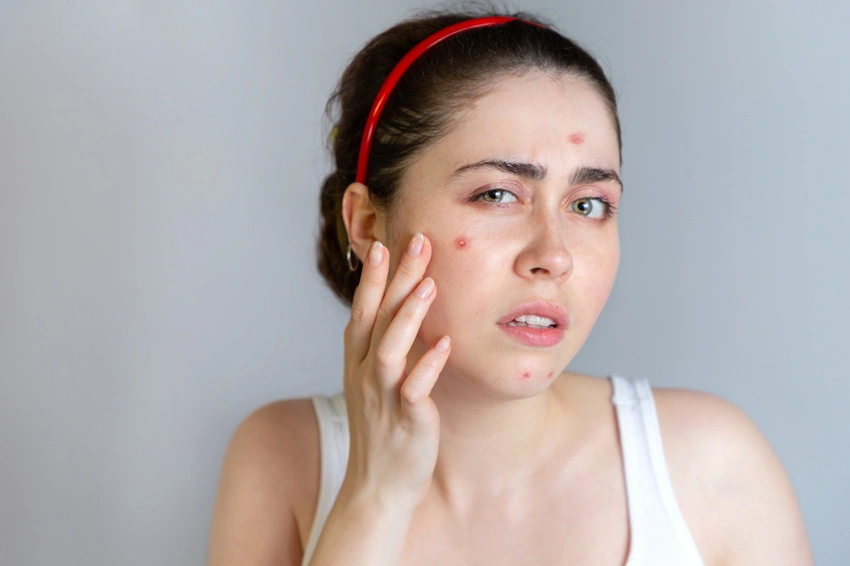
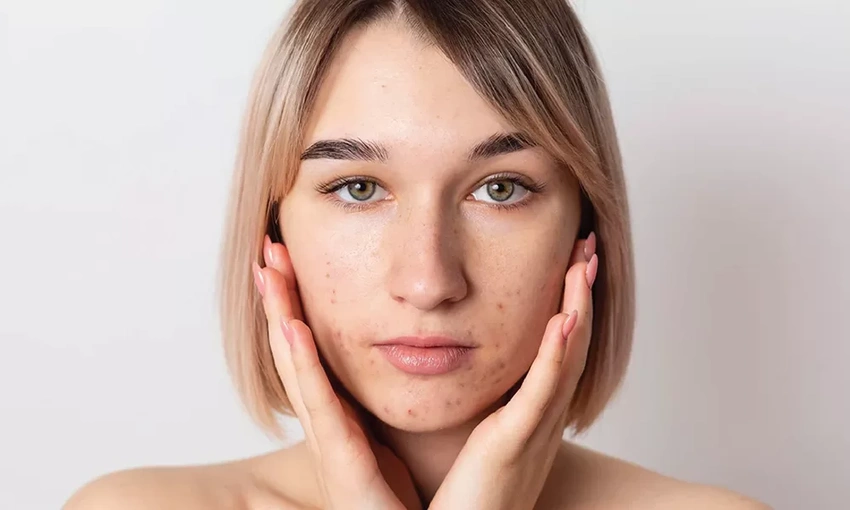
Most people know ultraviolet rays can damage skin over time, but a quieter skincare conversation is now emerging around something called heat aging. Unlike direct sunburn, heat exposure works more subtly. Long hours spent near stoves, laptops, car dashboards, humid outdoor air, or even constant screen heat may gradually affect how the skin barrier behaves, especially in acne prone and sensitive skin.
Researchers have started studying how repeated heat exposure can increase inflammation, redness, oil oxidation, and dehydration. While UV radiation still remains a major concern, dermatologists are increasingly discussing how heat itself may contribute to uneven skin texture, dullness, and lingering post breakout marks.
This is one reason more people are choosing a non greasy sunscreen SPF 50 🔗 for everyday wear instead of using sunscreen only during outdoor activities. Skin today deals with more environmental stress than many people realize.
How Heat Exposure Affects the Skin Barrier
When skin is exposed to repeated warmth and humidity, several invisible changes can begin happening beneath the surface.
Heat may:
- Increase water loss from the skin
- Trigger excess oil production
- Worsen redness
- Intensify inflammation
- Make acne marks appear darker
- Increase sensitivity in compromised skin
This does not mean heat alone causes acne or premature aging. But when combined with pollution, UV rays, stress, and dehydration, it can place extra pressure on the skin barrier.
The skin barrier acts like a protective shield. When it becomes stressed repeatedly, recovery tends to slow down. Skin may start feeling oily and dehydrated at the same time, which is a surprisingly common complaint in humid climates.
Why Urban Lifestyles May Be Increasing “Heat Stress Skin”
Modern environments expose skin to heat far more often than people think.
Examples include:
- Long commutes in traffic
- Constant exposure to device heat
- Cooking in enclosed kitchens
- Humid weather conditions
- Poor ventilation indoors
- Heated office environments
- Extended gym sessions without cleansing afterward
Over time, repeated warmth may contribute to low grade inflammation that makes skin look tired or reactive more easily.
This is especially noticeable in people with acne prone skin because inflammation already plays a major role in breakout formation.
The Link Between Heat and Oil Oxidation
One of the rarest skincare conversations right now involves oil oxidation.
Sebum naturally protects the skin, but when oil mixes with heat, pollution, and oxygen exposure, it can oxidize faster. Oxidized oil may contribute to congestion, dullness, and inflammatory stress in pores.
This helps explain why some people feel their skin becomes rougher or more breakout prone during hot weather even if they are cleansing regularly.
Barrier supportive skincare is becoming increasingly important because over cleansing can worsen dehydration while failing to fully address inflammation.
Why Heat Can Make Post Acne Marks Look Worse
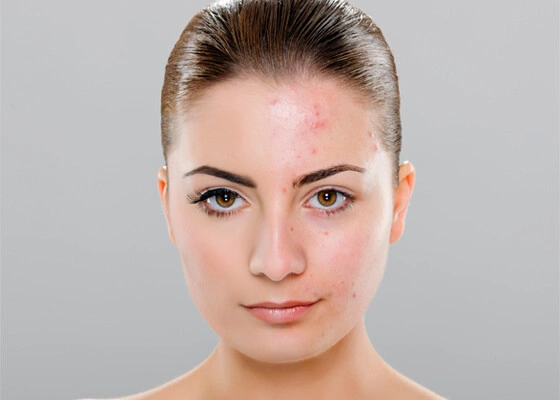
Post acne marks often become more visible during summer or humid weather. While sunlight plays a role, heat itself may also contribute to this process.
Inflammation tends to increase blood flow and pigment activity in healing skin. When the skin remains overheated repeatedly, redness and pigmentation may linger longer than expected.
That is why dermatologists increasingly recommend lightweight sunscreen and calming skincare even for people who spend most of their day indoors.
Recovery focused skincare routines are gaining popularity because they support the skin after inflammation rather than focusing only on active breakouts.
What Research Says About Heat and Skin Aging
Research published by the National Library of Medicine has explored how heat exposure may contribute to skin aging through oxidative stress and inflammation pathways. Scientists note that repeated thermal exposure can affect collagen and increase inflammatory responses in the skin over time.
This growing research area is one reason skincare brands are paying more attention to environmental stress protection beyond traditional UV care.
Why People Are Switching to Lighter Skincare Textures
Another interesting skincare shift is the growing demand for breathable textures.
Heavy products may feel uncomfortable during hot or humid weather, especially for oily or acne prone skin. Because of this, consumers increasingly prefer:
- Lightweight sunscreens
- Gel based moisturizers
- Fast absorbing serums
- Non greasy hydration
- Breathable spot treatments
Comfort plays a major role in consistency. Products that feel heavy are less likely to be used regularly, especially in warm climates.
This is why skincare routines today often prioritize wearability as much as ingredient strength.
The Rise of “Recovery Skincare” Instead of Aggressive Treatment
For years, skincare trends focused heavily on intense exfoliation and harsh acne treatments. But many consumers are now experiencing irritation fatigue.
Instead of trying to strip the skin completely, modern routines increasingly focus on helping the skin recover from environmental stress.
Recovery focused skincare usually includes:
- Gentle cleansing
- Barrier support
- Hydration balance
- UV protection
- Strategic treatment products
- Reduced over exfoliation
This approach recognizes that inflamed skin often heals better when supported consistently rather than aggressively attacked.
How Indoor Environments May Quietly Affect Skin
People often assume indoor environments fully protect skin from environmental stress. Yet indoor heat exposure may still affect skin comfort and barrier balance.
Examples include:
- Air conditioning cycles
- Heat from cooking
- Dry office air
- Screen exposure
- Sunlight through windows
Combined with daily stress and pollution, these small exposures may contribute to skin fatigue over time.
This is why skincare conversations are becoming more holistic. Instead of focusing on one ingredient alone, routines now consider the overall environment the skin experiences every day.
Why Calm Skin Is Becoming the New Skincare Goal
Another subtle trend in skincare is the shift away from chasing “perfect skin.”
Many consumers now prioritize:
- Reduced irritation
- Comfortable skin texture
- Fewer flare ups
- Stable hydration
- Healthier barrier function
Calm skin often looks healthier naturally because inflammation stays lower over time.
This mindset is also changing how people choose products. Instead of selecting the harshest treatment available, many now prefer routines that support long term consistency and resilience.
Conclusion
Heat exposure is becoming an increasingly important skincare conversation because modern lifestyles expose skin to constant environmental stress. From humidity and device heat to pollution and indoor temperature changes, repeated warmth may quietly influence inflammation, oil oxidation, and skin barrier recovery over time.
This does not mean heat alone causes skin problems, but it may contribute more than people previously realized, especially for acne prone or sensitive skin. That is why balanced routines built around cleansing, hydration, recovery, and protection are gaining popularity. Even choosing a lightweight Barrier repair moisturizer 🔗 can help support skin resilience when environmental stress starts affecting comfort and recovery.
CTA
Explore skincare designed for stressed, acne prone, and environmentally exposed skin at World of California 🔗. Discover routines focused on hydration, barrier recovery, lightweight protection, and long term skin balance.
FAQs
What is heat aging in skincare?
Heat aging refers to the potential skin stress caused by repeated heat exposure, which may contribute to inflammation, dehydration, and collagen breakdown over time.
Can heat worsen acne prone skin?
Yes. Heat may increase oil production and inflammation, which can make acne prone skin feel more reactive.
Does indoor heat affect the skin barrier?
Indoor heat, dry air, and poor ventilation may contribute to dehydration and skin sensitivity over time.
Why do acne marks appear darker during hot weather?
Heat and inflammation can increase pigment activity and redness, making post acne marks appear more noticeable.
Why are lightweight skincare products becoming more popular?
Many people prefer breathable textures because they feel more comfortable during humid weather and encourage more consistent skincare use.

Login to comment.
No thots yet. Be the first to share your thoughts!