Nipah Alert in West Bengal: Two Cases, Tamil Nadu Boosts Surveillance

Nipah Alert in West Bengal: Two Cases, Tamil Nadu Boosts Surveillance
Two Nipah cases surface in West Bengal as Tamil Nadu tightens surveillance; officials warn of high fatality risk and emphasize early detection.
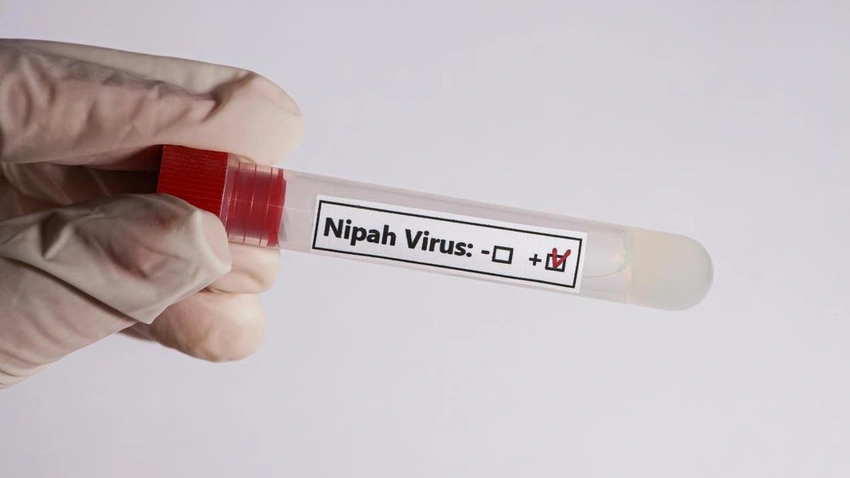
Two Nipah virus cases have been identified in West Bengal, prompting doctors and public health officials to heighten vigilance as Tamil Nadu authorities tighten disease surveillance. In the latest update, one nurse who tested positive is showing signs of improvement, while another patient remains critically ill and is being treated in the ICCU. Health authorities emphasize that Nipah is a dangerous zoonotic infection that can spread from animals to humans and, in some cases, between people through close contact with infected bodily fluids.
Nipah can cause a range of illnesses—from fever and vomiting to severe brain inflammation (encephalitis) and respiratory failure—with fatality rates reported in past outbreaks ranging from 40% to over 70%. There is no widely available vaccine or specific cure, so early detection and supportive care are crucial.
The virus is primarily transmitted to humans from fruit bats, either through bat secretions or via contaminated food or raw sap from palm trees. Public health experts warn that prevention steps matter, including avoiding palm sap and fallen or bitten fruits and maintaining good personal hygiene to limit close contact with infected individuals.
With Nipah cases emerging in West Bengal, Tamil Nadu has increased disease surveillance. Health officials have asked officers to step up AES surveillance—acute encephalitis syndrome monitoring—to quickly identify suspected Nipah infections and start treatment where needed.
Experts urge people to stay informed, monitor for symptoms such as fever, dizziness, confusion, or seizures after potential exposure, and seek medical attention promptly. Officials stress that awareness, rapid testing, and early supportive care remain the best defenses against Nipah in the absence of a widely available cure.
