Petrol Hits ₹110 in Bengaluru: Fourth Fuel Price Hike in Just 10 Days

Petrol Hits ₹110 in Bengaluru: Fourth Fuel Price Hike in Just 10 Days
Fuel prices are soaring! Petrol has crossed ₹110 in Bengaluru after the fourth hike in 10 days. Learn how this spike is impacting transport and essential goods.
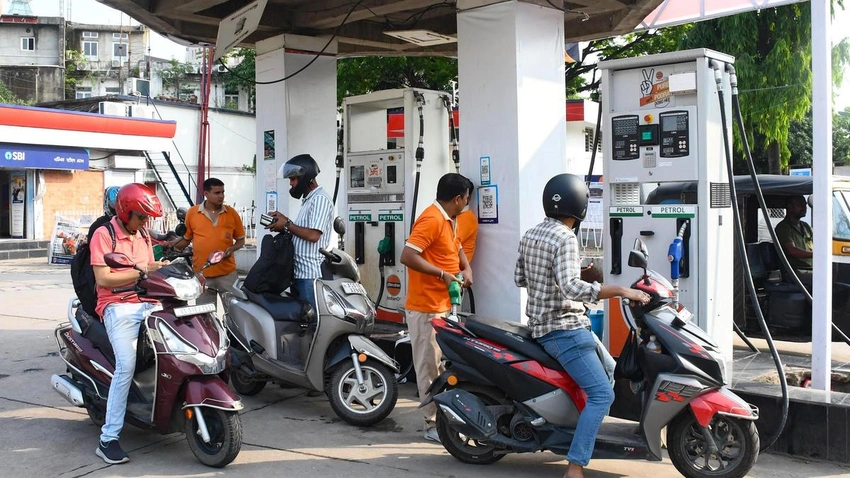
Residents in Bengaluru woke up to a significant shock this morning as petrol prices officially crossed the ₹110 mark. This latest jump marks the fourth time in just ten days that fuel rates have been revised upward, leaving commuters and transport operators struggling to keep up with the rising costs. The most recent hike added between ₹2.7 and ₹2.8 per litre across different variants, pushing the price of petrol in the city to ₹110.93 per litre. Diesel prices followed a similar trajectory, climbing significantly to ₹98.80 per litre.
It isn't just Bengaluru feeling the pinch. In the national capital, petrol has now crossed the ₹100 threshold, reaching over ₹102 per litre. Diesel in Delhi has also seen a sharp increase, now retailing at more than ₹95. These rapid-fire increases—four hikes in less than two weeks—suggest a worrying trend for the national economy, as fuel costs play a major role in the pricing of almost everything we consume.
Transport associations have already voiced their concerns, urging the government to step in and provide some form of tax relief. The continuous hikes are creating a cascading effect that hits goods transport, cab services, and even the agricultural sector. When it costs more to run a truck or a tractor, those costs are eventually passed down to the consumer in the form of higher prices for vegetables, milk, and other essential commodities.
Representatives from the transport sector have highlighted the urgency of the situation, suggesting that authorities should reconsider the current tax structure on fuel to ease the financial burden on the public. There is a growing fear that if prices aren't stabilized soon, fare hikes for buses and cabs will become inevitable, adding further financial strain to everyday commuters. For now, people are left watching the fuel boards with bated breath, wondering when the next revision will strike.
