Artist Intervention: Redrawing the Line on Concert Etiquette

Artist Intervention: Redrawing the Line on Concert Etiquette
When the energy of live music meets questionable security, artists are stepping up. Turnstile's Brendan Yates just showed how true fan advocacy looks on stage.
The electrifying atmosphere of a live show is unique. It's a space where artists and fans connect, driven by shared passion and raw energy. But what happens when that energy is met with aggressive action from those meant to keep everyone safe?
How far should artists go to protect their audience?
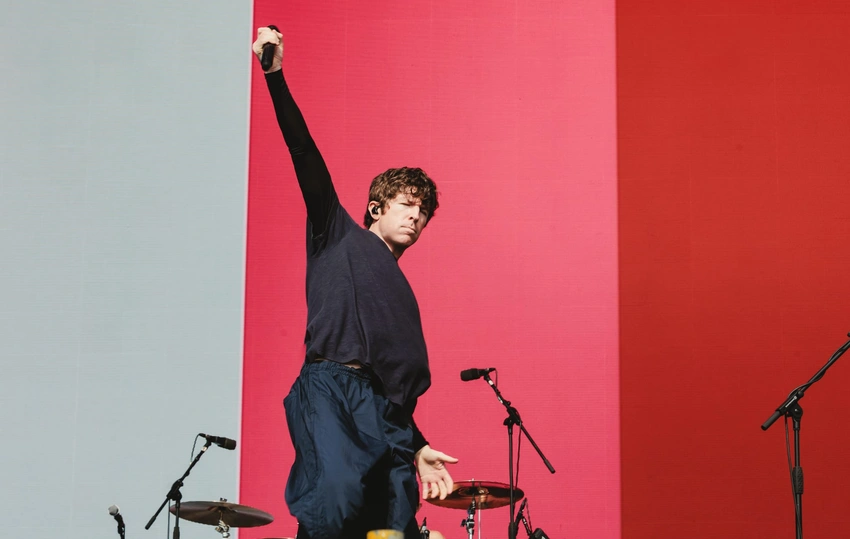
Recently, Turnstile frontman Brendan Yates demonstrated a powerful stance on fan protection, pausing a show at The Criterion in Oklahoma City. Footage from the event clearly showed Yates stopping the performance mid-song, stepping off stage, and directly confronting a security guard. His message was immediate and unequivocal: an alleged “swing” at a fan was utterly unacceptable.
It was an ultimatum, delivered with conviction. Yates firmly stated, “That security guard cannot be here. [We] won't play if he's still here.” This bold move, quickly backed by bassist Franz Lyons who also came off stage, brought the show to a decisive halt until the situation was resolved.
It's a stark reminder that while security is crucial for managing enthusiastic crowds, their methods must always uphold the safety and respect of every concertgoer.
Artists often walk a tightrope, balancing the high-energy demands of their performance with the well-being of their audience. When security personnel overstep, it compromises the very experience fans pay for. This incident spotlights a critical question for the industry: when does an artist's role extend beyond performing to actively policing the environment for their fans' sake?
For many, including the fans themselves, the answer is always. Fans are the absolute lifeblood of live music, and their trust in both the venue and the artists they admire is paramount. A security team that escalates situations or acts aggressively not only jeopardizes individual safety but also irrevocably tarnishes the collective experience for everyone present.
Yates's actions underscore a growing expectation: artists are not just entertainers, but powerful advocates for their community.
In an ideal world, security should be a supportive presence, guiding, assisting, and protecting, not instigating conflict. The raw, physical nature of a hardcore show, like Turnstile's, means mosh pits and crowd surfing are often par for the course. Attendees understand and embrace a certain level of intensity.
But there's a distinct and crucial difference between managing high energy and resorting to physical aggression.
That line was reportedly crossed.
The incident at The Criterion in Oklahoma City sends a clear message to venues and the external security companies they employ. Professionalism, de-escalation techniques, and an unwavering respect for the audience must be non-negotiable standards. When these basic expectations aren't met, artists like Brendan Yates are proving they're ready to step in, even if it means halting a highly anticipated show.
It's a powerful reaffirmation that the live music experience should ultimately be about shared joy and connection, not intimidation or conflict.
This kind of integrity from the stage can redefine concert etiquette for the better.
