Oil tops $110 as Hormuz tensions flare over ship moves

Oil tops $110 as Hormuz tensions flare over ship moves
Oil tops $110 as Hormuz tensions flare; Iran says ships were forced back while Trump cites a 'present' of oil boats, with a pause on strikes extending and markets watching closely.
Tensions in the Persian Gulf surged as the Strait of Hormuz remains effectively closed, with Iran saying it forced at least three ships to turn back. The chokepoint handles roughly 20% of the world’s oil, and traders pushed crude above $110 a barrel as the week unfolded. The potential disruption to global energy flows has been fueling price volatility and sparking concerns about the minimum supply cushion for petroleum markets.
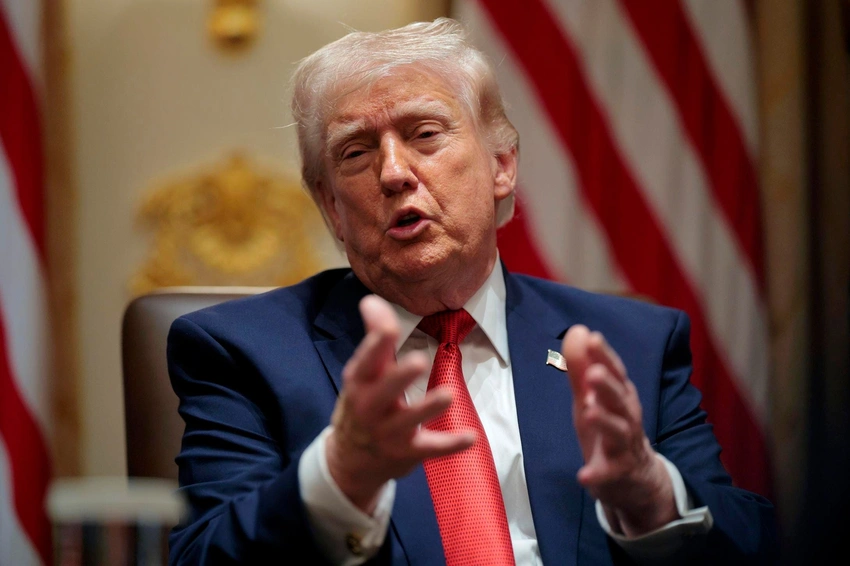
Separately, a flurry of headlines around the U.S. president and Iran created more questions than answers. The president claimed Iran initially sent eight oil boats and then two more as a kind of apology, describing a total of ten ships passing through the strait as a “present” to the United States. Tehran has rejected direct talks, while Washington has suggested talks are ongoing but has offered mixed signals about their nature and immediacy.
In response to the evolving tensions, the U.S. extended a pause on attacks targeting Iran’s energy facilities to April 6. The move came as major stock indices slipped and oil prices held their gains, underscoring how geopolitical risk is directly feeding market moves even as official statements fluctuate. Market watchers say the pause may provide short-term stability, but the risk of renewed disruption remains high as both sides navigate skeptical messaging and continuing distrust.
Analysts caution that even a temporary lull could unravel quickly if incidents flare up again or if shipping routes face renewed scrutiny. The Hormuz bottleneck remains a critical artery for world energy, and any prolonged disruption would ripple through fuel prices, inflation trends, and supply chains globally. For now, traders and policymakers are left balancing the prospect of a calmer horizon against the persistent risk of escalation in a volatile region.
