Thar's Transformation: From Sands To Green Fields

Thar's Transformation: From Sands To Green Fields
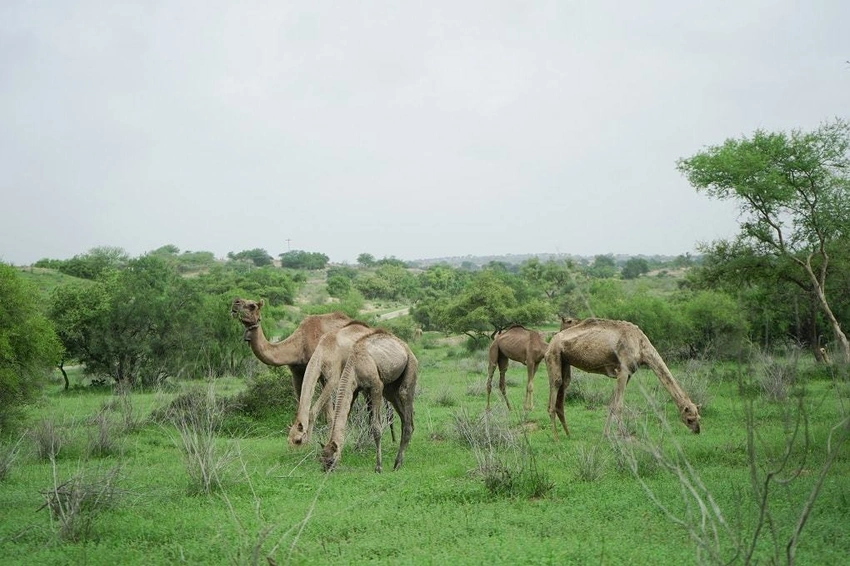
The Thar Desert is turning green. Rising rains and human projects reshape culture, wildlife, and heritage.
The Thar Desert was once a symbol of resilience. Endless dunes, scarce water, and hardy camels defined its identity. Today, that image is fading fast.
Rainfall has surged. Between 2001 and 2023, precipitation rose by more than 60%. Vegetation expanded by nearly 40%. What was once barren is now lush. This is not a miracle. It is a disruption.
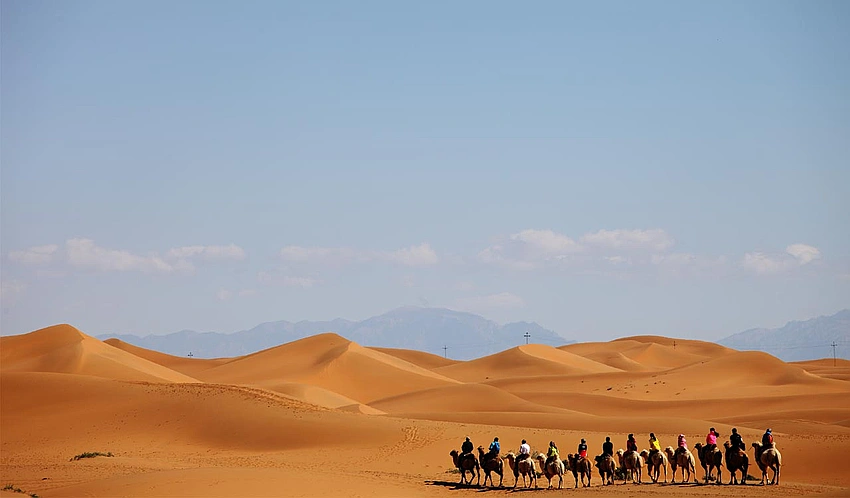
Human interventions accelerated the change. Canals like the Narmada project brought water to parched lands. Groundwater pumping turned scarcity into abundance. Villages that once struggled now see puddles after every downpour. Women no longer walk miles for water. Life is easier, but traditions are dissolving.
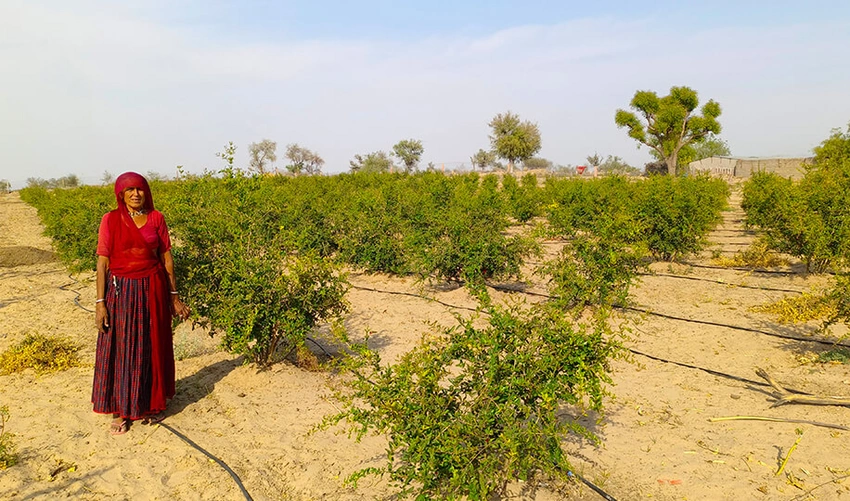
Camels, the desert’s lifeline, are vanishing. Their population fell sharply in the past decade. Buffaloes thrive instead. Standing water favors them. But it also breeds disease. Malaria and lumpy skin disease, once unknown here, now spread. The desert’s natural immunity is gone.
Sacred groves, orans, remain biodiversity sanctuaries. They shelter birds, plants, and folk traditions. Yet they face threats from solar projects and unchecked development. The push for renewable energy collides with fragile ecosystems. Progress comes at a price.
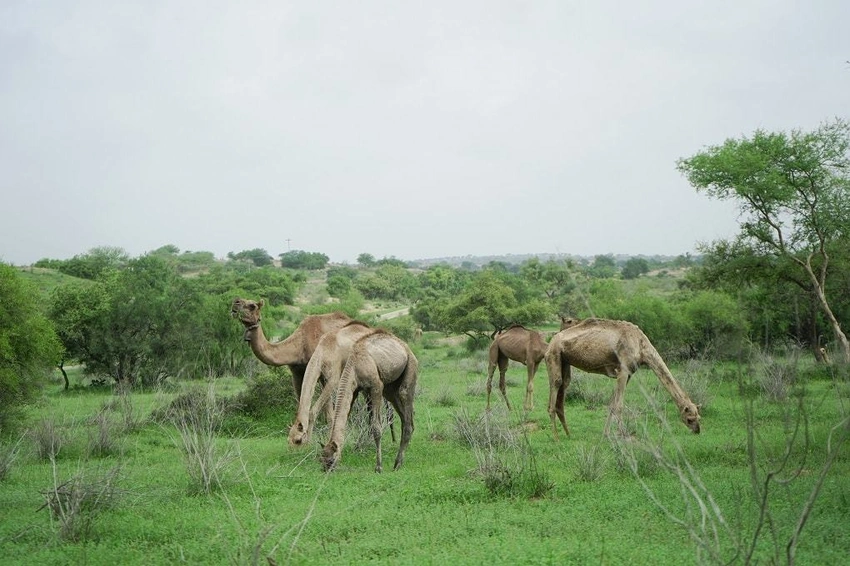
Tourism adapts too. Camel rides and dune safaris are staged performances. The authentic desert experience is shrinking. Jaisalmer Fort, a UNESCO site, suffered damage from heavy rains. Heritage built for arid climates struggles against new weather patterns.
Climate change is the silent architect. While other regions dry up, the Thar grows wetter. This reversal challenges assumptions. A desert turning green sounds positive. But ecosystems are not interchangeable. The Thar’s identity was built on scarcity. Its culture, economy, and resilience depended on it.
The greening is both success and warning. Success, because water brings relief. Warning, because balance is broken. The desert is not disappearing. It is transforming into something unfamiliar.
Policy must catch up. Conservation cannot focus only on forests and rivers. Deserts matter too. Protecting orans, monitoring disease, and preserving heritage are urgent. Renewable energy must be planned with ecological sensitivity. Otherwise, the Thar’s transformation will be irreversible.
This story is not local. It is global. Climate change creates paradoxes everywhere. Some regions drown, others burn. The Thar shows how quickly identities shift. What was eternal sand now sprouts grass. What was resilience now risks fragility.
The desert’s greening is dramatic. It is also unsettling. It forces us to ask: what do we lose when nature changes too fast? The answer lies not in nostalgia but in foresight. We must act before the Thar’s new green becomes its downfall.
