Oil Shocks Ahead: Iran War Could Redraw Global Markets

Oil Shocks Ahead: Iran War Could Redraw Global Markets
As the Iran war intensifies, energy markets brace for disruption and prices could rise. Analysts warn a new oil shock may reshape global finance and policy.
A fresh oil shock is gathering steam as the Iran war injects new risk into the global energy system. Traders say even a limited disruption could squeeze flows from the Persian Gulf, prompting a quick lift in crude prices and a broader premium on energy futures. In markets that never sleep, moves in New York and beyond are already reflecting the sentiment that supply could tighten faster than expected.
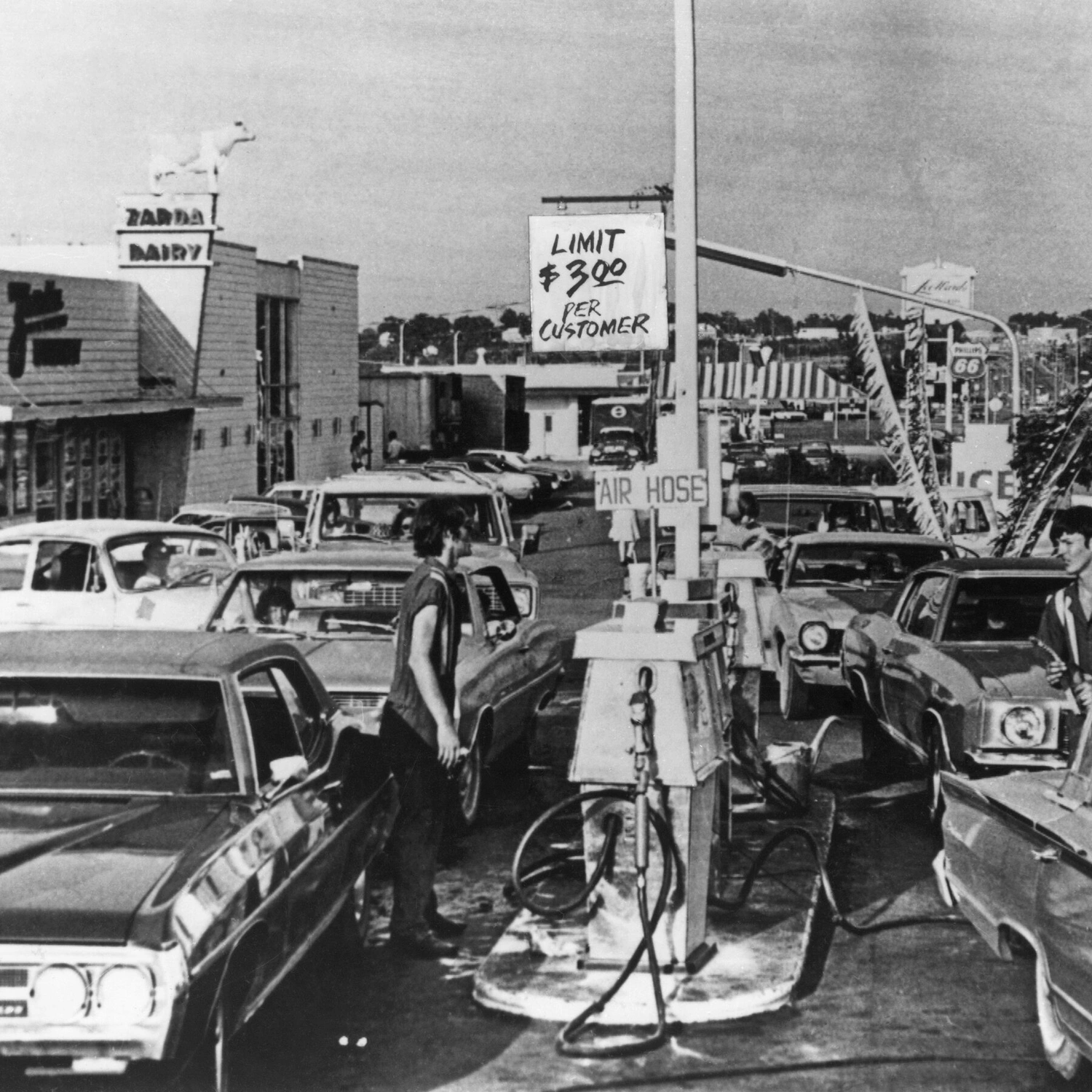
The echo from the 1970s is hard to miss: gas lines and triple-digit price volatility reshaped consumer behavior and sent shockwaves through global finance. Today's dynamics, though different in scale and technology, still turn on the same nerves—how reliably oil can reach refineries, how quickly inventories can be replenished, and how policy makers respond to price swings that threaten inflation and growth.
Industry observers warn that the disturbance could unfold over weeks rather than hours. Physical disruptions, potential export restrictions, and the logistics of shipping crude through chokepoints could narrow supply. OPEC+ producers and regional partners are watching closely, while buyers rush to lock in term contracts to cushion against sudden price moves.
The implications go beyond traders. For households and businesses, even a modest run-up in gasoline and diesel translates into higher costs for commuting, manufacturing, and shipping. Central banks would face renewed pressure to calibrate policy as energy-led inflation lingers. The weeks ahead will test how quickly the market can adjust and how resilient policy can be under strain.
Oil and gas executives, who had warned of a fragile setup before the latest turmoil, say the disruption could last longer than optimistic forecasts. They point to aging refinery capacity, capital constraints on new projects, and the challenge of replacing lost Iranian barrels if sanctions or sanctions-like conditions persist. The industry faces a dilemma: boost supply now or risk deeper price shocks later.
Policymakers are pressed to consider strategic reserves, diversification of supply routes, and incentives for energy efficiency. In the near term, markets will probably remain sensitive to headlines and geopolitical signals. The trajectory of the Iran conflict, along with how quickly the pipeline and shipping networks can return to normal, will shape energy prices, inflation, and growth in the crucial weeks ahead.
