The Night Shift of Your Skin: What Your Face Actually Does While You Sleep


The Night Shift of Your Skin: What Your Face Actually Does While You Sleep
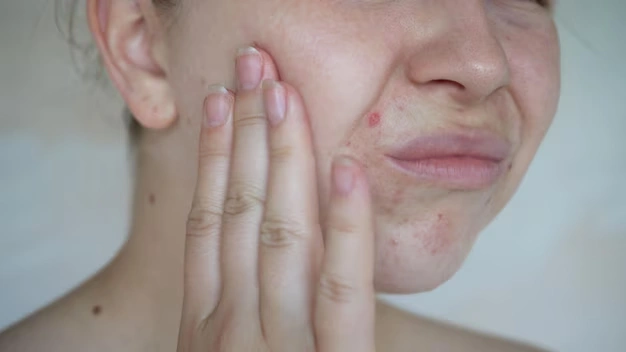
When you fall asleep, your skin begins its busiest workday. Far from resting, it activates a complex network of repair processes that undo damage accumulated from sunlight, pollution, stress, and physical contact. This nocturnal activity is so significant that dermatologists often refer to nighttime as the “golden window” for skin recovery. Long before people relied on targeted products like a salicylic serum for oily skin 🔗, human sleep patterns aligned with natural light cycles that optimized these biological repairs. Modern lifestyles, however, frequently disrupt this ancient rhythm, leaving skin overworked and under-repaired.
Circadian Rhythms and Skin Timing
Skin cells operate on circadian rhythms just like the brain, heart, and digestive system. During the day, the skin focuses on defense. It thickens slightly, produces antioxidants, and regulates oil to protect against environmental threats. At night, priorities shift dramatically toward repair.
Cell turnover accelerates, collagen synthesis increases, and blood flow to the skin rises. This enhanced circulation delivers oxygen and nutrients while removing metabolic waste. As a result, skin often appears warmer and slightly flushed during sleep.
Disrupting this cycle through irregular bedtimes or nighttime light exposure can impair these processes, slowing recovery and accelerating visible aging.
Barrier Repair in Darkness
The skin barrier is your primary shield against dehydration and irritants. Throughout the day, this barrier sustains micro-damage from UV radiation, friction, temperature changes, and pollutants. Nighttime is when the body rebuilds it.
Lipids such as ceramides, cholesterol, and fatty acids are synthesized to fill microscopic gaps between cells. This reconstruction restores the barrier’s ability to retain moisture and resist pathogens.
Interestingly, the barrier becomes more permeable at night, which is why products applied before sleep often penetrate more effectively than those used during the day.
Water Loss While You Sleep
Despite active repair, skin also loses more water at night. Transepidermal water loss peaks during sleep, particularly in dry environments or air-conditioned rooms. This is why people often wake with skin that feels tight or dehydrated.
Hydration strategies before bedtime help counteract this natural loss. Internally, adequate fluid intake supports cellular function. Externally, humectants and emollients reduce evaporation and maintain suppleness.
Room conditions matter as well. Low humidity accelerates dehydration, while moderate humidity supports barrier recovery.
Collagen Production and Structural Repair
Collagen is the protein responsible for skin firmness and elasticity. Its synthesis increases during deep sleep stages, particularly slow-wave sleep. Growth hormone released at night stimulates fibroblasts, the cells that produce collagen and elastin.
Chronic sleep deprivation reduces this hormone release, impairing structural repair. Over time, this leads to thinning skin, increased wrinkling, and slower wound healing.
Research published by the Sleep Foundation notes that poor sleep quality is associated with increased signs of intrinsic aging and reduced barrier function.
This connection highlights why consistent sleep may be as important as topical care for maintaining youthful skin.
Inflammation Reset and Immune Activity
During sleep, the immune system recalibrates inflammatory responses. Minor irritations, micro-tears, and bacterial exposures from the day are addressed through controlled immune activity.
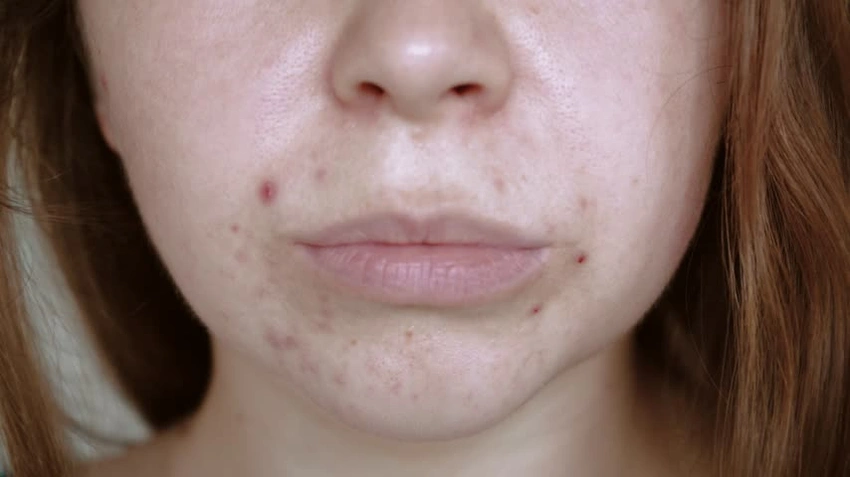
If sleep is insufficient, inflammatory markers remain elevated, contributing to redness, sensitivity, and breakouts. Conditions such as acne, eczema, and rosacea often worsen during periods of poor sleep for this reason.
Nighttime is also when the body clears oxidative stress, neutralizing free radicals that damage cellular structures.
Detoxification Through Circulation
Although the skin is not a primary detox organ like the liver or kidneys, increased nighttime blood flow supports the removal of metabolic byproducts. Lymphatic activity also helps reduce fluid accumulation.
Sleeping flat can lead to temporary puffiness due to fluid redistribution, especially around the eyes. Elevating the head slightly may minimize this effect.
Over the course of the night, this circulation contributes to a fresher appearance by morning, assuming adequate sleep duration.
Sebum Regulation and Oil Balance
Oil production does not stop during sleep. In fact, sebaceous glands remain active, particularly in individuals with oily or acne-prone skin. This nocturnal oil output can mix with dead cells and bacteria, increasing the risk of clogged pores.
Clean skin before bedtime reduces this buildup. Removing makeup, sunscreen, and pollutants prevents occlusion and allows natural processes to proceed efficiently.
Balancing oil without stripping the skin is key. Over-cleansing can trigger rebound oil production, undermining overnight recovery.
Mechanical Stress From Sleep Environment
Your pillow, bedding, and sleep position directly influence skin condition. Friction from rough fabrics can irritate the barrier and contribute to wrinkles over time. Residual detergents, hair products, and skin oils accumulate on pillowcases, transferring back to the face nightly.
Side and stomach sleepers experience localized pressure that may impede circulation temporarily. This pressure can exacerbate lines and contribute to breakouts in compressed areas.
Regular laundering and breathable fabrics help minimize these effects.
The Role of Darkness
Melatonin, the hormone that regulates sleep, also functions as a powerful antioxidant. Its production requires darkness. Exposure to artificial light, especially blue light from screens, suppresses melatonin release and reduces its protective effects on skin.
Melatonin supports mitochondrial function and DNA repair, making true darkness an underrated skincare tool.
Creating a dim, screen-free environment before bed enhances both sleep quality and skin recovery.
Why Nighttime Is Ideal for Targeted Treatments
Because the skin is focused on repair and permeability is increased, nighttime is optimal for treatments addressing acne, pigmentation, or aging. Active ingredients can work without interference from UV radiation or environmental stressors.
Additionally, the absence of sweating, makeup, and outdoor exposure allows products to remain in place longer, maximizing effectiveness.
Consistency is crucial. Occasional use yields limited results compared to nightly application over extended periods.
Conclusion: Sleep as the Ultimate Skincare Routine
No product can fully compensate for chronic sleep deprivation. Your skin’s most powerful repair mechanisms activate only when you rest deeply and consistently. Supporting this natural night shift with balanced care, a clean sleep environment, and stable routines allows the body to restore itself efficiently. Modern solutions, including supportive options like a Moisturizer for normal to dry skin 🔗, enhance these processes but cannot replace them. When sleep and skincare work together, the result is not just clearer or smoother skin but a visibly healthier complexion overall.
Call to Action
Experience a comprehensive approach to nighttime skin recovery with thoughtfully developed products for cleansing, treatment, hydration, and protection from 🔗World of California 🔗 and let your routine work while you rest.
FAQs
1. Is eight hours of sleep necessary for healthy skin?
Most adults benefit from seven to nine hours, though individual needs vary.
2. Why does my skin look worse after a bad night’s sleep?
Poor sleep increases inflammation, dehydration, and reduced circulation, leading to dullness and puffiness.
3. Should skincare routines differ between morning and night?
Yes, daytime focuses on protection while nighttime emphasizes repair and hydration.
4. Can napping replace nighttime sleep for skin health?
Short naps help reduce fatigue but do not fully replicate the restorative processes of deep nighttime sleep.
5. Does sleeping in makeup harm the skin significantly?
Yes, it traps oil, bacteria, and pollutants, interfering with overnight repair and increasing the risk of breakouts.
