Understanding Sarcopenia: Why Muscles Weaken with Age & What to Look For

Understanding Sarcopenia: Why Muscles Weaken with Age & What to Look For
Feeling weaker or slower as you age? Learn about sarcopenia, the muscle-wasting condition, its causes, and key symptoms from physiotherapist Lucy Macdonald. Stay informed!
As we gracefully navigate the journey of life, many of us start noticing subtle shifts, a bit less strength, a slight slowing down. For some, these changes are simply attributed to "getting older," but as physiotherapist Lucy Macdonald explains, the underlying cause is often a condition called sarcopenia. Understanding this age-related muscle decline is crucial for maintaining vitality.
Sarcopenia, as defined by Macdonald, is quite simply "the process by which muscles get weaker as you get older." It's not a single-factor issue but a complex interplay of natural aging, reduced physical activity, and changes in hormonal levels. While some elements, like declining testosterone in both men and women, are beyond our direct control, Macdonald emphasizes one critical area where we hold the reins: our activity levels.
"A lot of people will reduce their activity levels," she notes, "in part just because of general lifestyle but also sometimes because of fear of injury, and actually these things can significantly contribute to muscle wasting as well." This highlights a crucial paradox: fear of injury can lead to inactivity, which in turn exacerbates muscle loss, increasing the risk of falls and further injury.
Macdonald observes sarcopenia being particularly prevalent during two distinct life phases. The first is in the late 40s, a period she describes as a "crunch point." During these years, individuals often juggle demanding careers with significant caring responsibilities for both children and aging relatives, leaving little time for dedicated physical activity.
The second peak occurs in the early 60s, coinciding with the transition into retirement. This stage presents a fork in the road: some individuals embrace an active retirement, while others significantly scale back their physical engagement. The choices made during these pivotal times can profoundly impact muscle health.
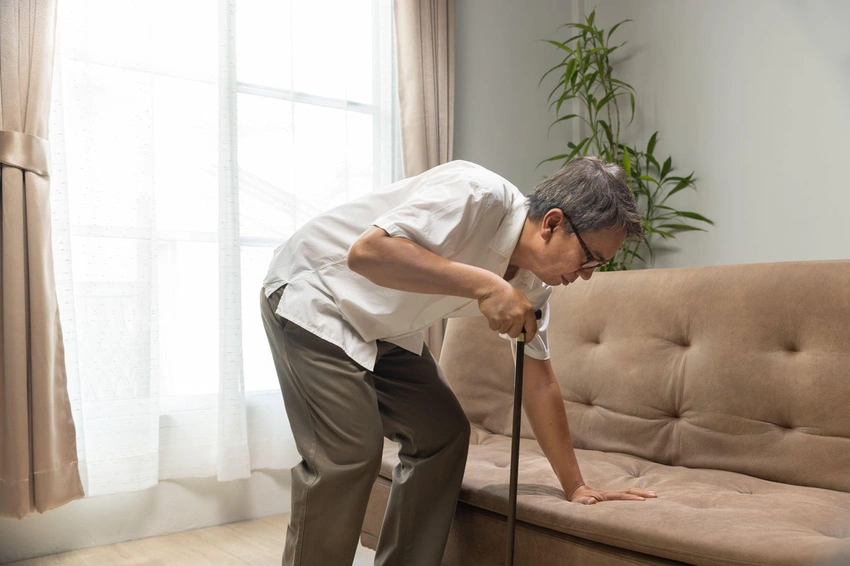
So, how do you know if you might be experiencing sarcopenia? Macdonald points to two key indicators: "Finding it difficult to get out of a chair or to go up and down stairs easily are two key indicators." If these everyday activities start to feel like a struggle, it could be a sign that sarcopenia is at play. Recognizing these symptoms early can prompt individuals to seek advice and take proactive steps to mitigate muscle loss and maintain their independence and quality of life as they age.
