China approves Nvidia H200 chips for major players, reshaping AI race

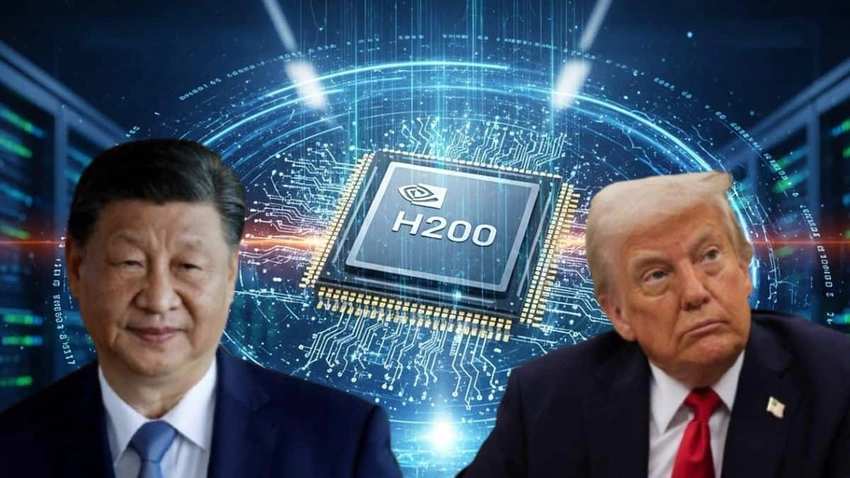
China approves Nvidia H200 chips for major players, reshaping AI race
Beijing clears the way for ByteDance, Alibaba and Tencent to buy thousands of Nvidia H200 AI chips, signaling a shift in AI infrastructure and tech policy.
Beijing has cleared the path for three leading Chinese tech firms to acquire Nvidia’s H200 AI chips, signaling a notable shift in the country’s approach to high-end AI hardware. ByteDance, Alibaba and Tencent have been approved to purchase more than 400,000 H200 chips in total, according to officials familiar with the process. The approvals come as Chinese companies race to scale AI capabilities and compete in a rapidly evolving global landscape.
Industry watchers say the move cements Nvidia’s central role in China’s AI stack by providing the computing backbone for training and running cutting-edge models. The permit also reflects Beijing’s balancing act between fostering domestic innovation and managing national-security concerns. Analysts expect the flood of chips to accelerate AI deployments across e-commerce, cloud services and other data-heavy applications, while intensifying competition with global peers.
Global policy on AI hardware exports has been in flux for years. U.S. export controls and policy shifts have historically restricted sales of high-end accelerators to China, and the new approvals appear to tilt the balance back toward expanded Chinese capabilities in AI infrastructure. Chinese buyers are positioning themselves to reduce reliance on foreign cloud platforms and to push forward domestic AI ecosystems, from software tooling to data governance.
Tech executives caution that chips are only part of the equation; software stacks, data access, talent and robust security controls will determine outcomes. Nvidia’s chips remain a pivotal asset in the AI hardware market, and demand for H200s is expected to stay strong as more AI workloads move from experimentation to production.
Beijing’s decision could reverberate through the global tech-policy arena as regulators weigh how to foster innovation while safeguarding security. The evolving landscape suggests a broader realignment in who controls the critical underpinnings of next-generation AI.
