Regrowing Veggies: Decoding Leeks & Celery's Viral Kitchen Garden Hacks


Regrowing Veggies: Decoding Leeks & Celery's Viral Kitchen Garden Hacks
Curious about regrowing leeks and celery? We cut through the hype! Discover what really works, why some kitchen scraps thrive, and others just make watery leaves. Get real gardening insights!
Regrowing Veggies: Decoding Leeks & Celery's Viral Kitchen Garden Hacks
Walk into any social media feed and you're bound to see someone triumphantly displaying a leek or celery base sprouting in a glass of water. The allure is undeniable: turn kitchen scraps into fresh produce, save money, and reduce waste. It's a compelling vision of urban homesteading, but does it truly deliver a bounty for your plate, or are some of these popular propagation hacks just producing weak, waterlogged leaves?
Let’s separate the real garden gains from the viral wishful thinking for two of the most popular candidates: leeks and celery.
The Leek's Lowdown: Mostly a Win
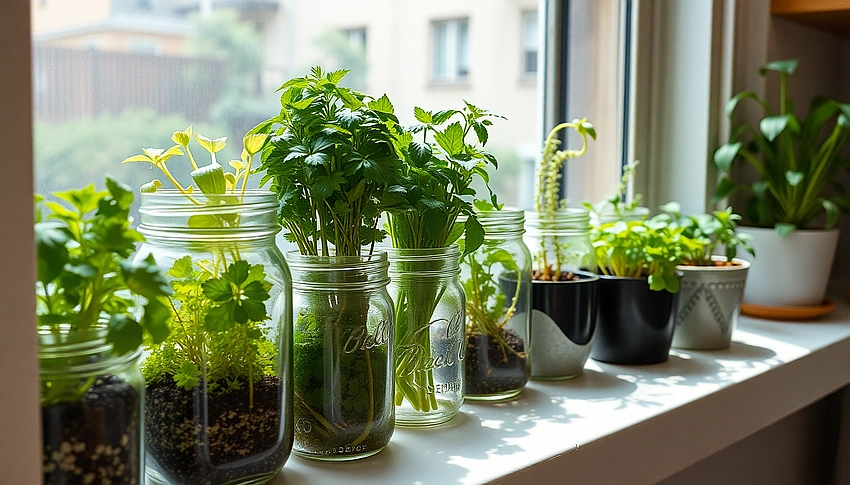
When it comes to regrowing from scraps, leeks are often hailed as a success story, and largely, that's true. The bottom white portion of a leek, specifically where the roots emerge and the base of the leaves converge (the basal plate), contains the crucial meristematic tissue, the plant's growth engine. When submerged in an inch or two of water, new green shoots will reliably emerge.
It's basic plant biology. The leek base has stored energy to kickstart new growth. You'll quickly get fresh, tender green tops perfect for garnishing, stir-fries, or even a light soup.
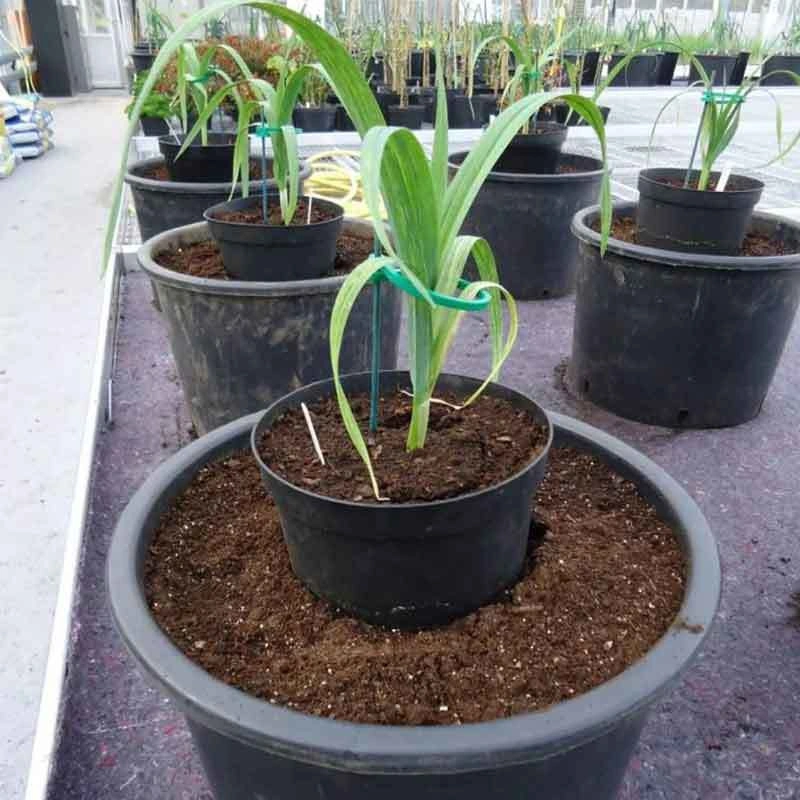
For continuous harvests, transfer your leek base to a pot of soil once a good root system has developed (usually a week or two). Plant it deep enough so only the green tips are exposed. In soil, with adequate light and nutrients, it will produce more robust growth and you can harvest the greens multiple times.
While it won't typically grow into a full-sized leek bulb like its original grocery store counterpart, you'll get plenty of usable green tops, extending its life and usefulness.
“Leeks are your MVP for kitchen scrap gardening, a reliable source for fresh green tops, not just a fleeting experiment.”
Celery's Story: A Different Leaf (and Outcome)
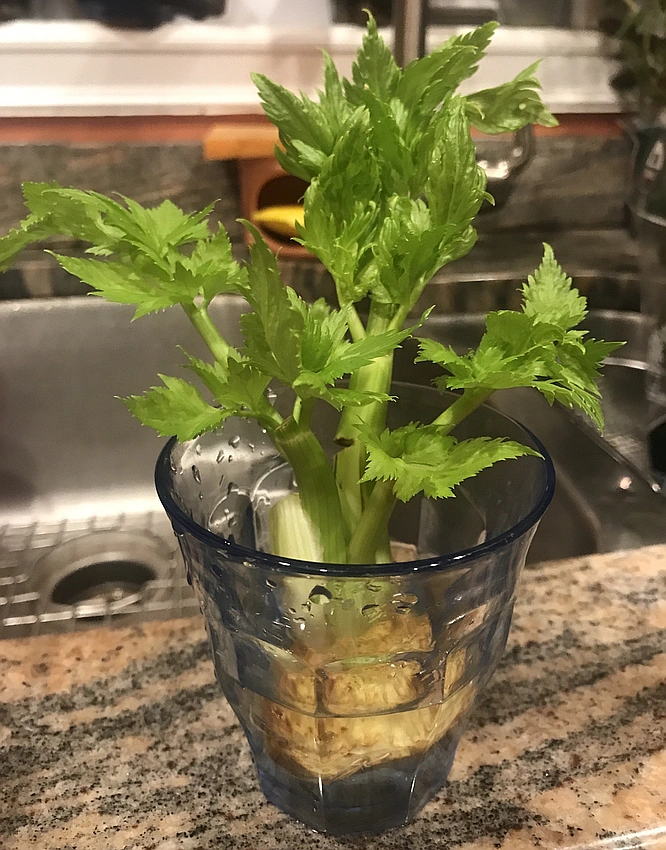
Celery is another social media darling, often shown with a vibrant green crown emerging from its base in water. And yes, it will sprout. You'll see small, light green leaves unfurl from the center of the base.
It's incredibly satisfying to watch. But here's where the reality often diverges from the viral fantasy: these new leaves are typically thin, pale, and lack the crisp texture and intense flavor of mature celery stalks. They're often quite bitter.
The issue lies in celery's growth habit and energy reserves. A celery stalk is technically a petiole, a leaf stem. The 'heart' you're trying to regrow doesn't have the same robust energy storage or the necessary structure to regenerate an entire, fully-formed plant with strong, crunchy stalks.
While transferring it to soil will help it develop a better root system and produce more foliage, it rarely matures into a full, harvestable head of celery like the one you bought. What you're more likely to get is a leafy plant that might eventually bolt (send up a flower stalk) if left long enough, signaling the end of its usable life. It's more of an ornamental exercise or a source for a few mild-flavored leaves than a sustainable celery farm.
Beyond the Hype: Setting Realistic Expectations
Why do some kitchen scraps succeed where others falter? It often comes down to the plant's natural growth pattern, its ability to store energy, and the type of tissue you're trying to propagate. Root vegetables like carrots, beets, and radishes can also sprout greens from their tops, but again, these are typically just foliage, not a new root vegetable.
Herbs like basil, mint, and rosemary, however, are excellent candidates for propagation from cuttings, readily developing roots and growing into new, full plants.
So, before you start a mini-farm on your windowsill, understand what each scrap is likely to yield. For leeks, enjoy your fresh green tops. For celery, appreciate the novelty and perhaps a few delicate leaves for a salad, but don't expect a full harvest.
The real value often lies not in replacing your grocery bill, but in the joy of connection to your food, the reduction of waste, and the simple satisfaction of watching life emerge from something you once considered trash.


Login to comment.
No thots yet. Be the first to share your thoughts!