Rahul Gandhi Calls India-US Trade Deal a 'One-Sided Surrender' in Lok Sabha

Rahul Gandhi Calls India-US Trade Deal a 'One-Sided Surrender' in Lok Sabha
In a heated budget session, Rahul Gandhi accuses the India-U.S. interim trade deal of compromising energy security and farmers' interests, urging tougher negotiations.
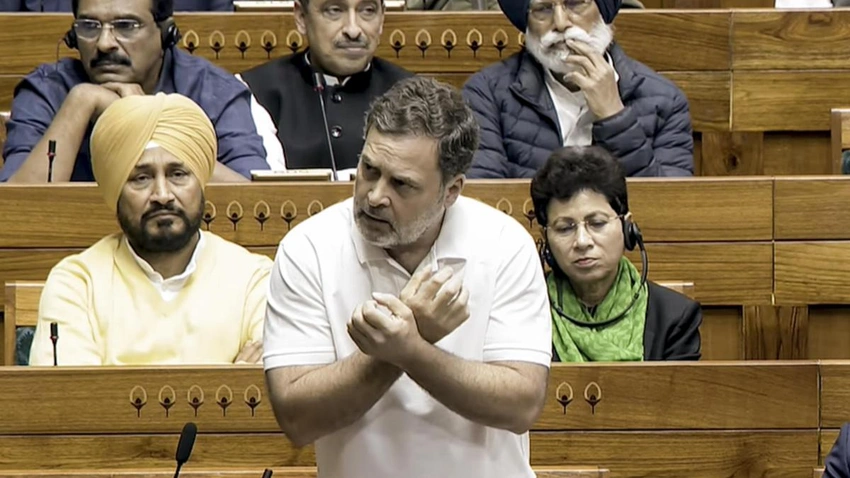
In a sharp address during the Budget Session, Leader of the Opposition Rahul Gandhi accused the government of 'selling Bharat Mata' through the India-U.S. interim trade deal. He called it a wholesale surrender that cedes energy security to the United States and threatens Indian farmers' interests. He warned that the U.S. could decide where India buys oil and that the terms could flood Indian markets with American agricultural products. He also claimed the Indian textile industry was at risk of being finished as part of these arrangements. Modi and NSA Ajit Doval had spoken about an era where war was over, Gandhi noted, but he argued that the country is moving into a more dangerous phase without stronger protections for people.
Gandhi reiterated that if an INDIA Bloc government had negotiated with Trump, it would have demanded equality and respect for India's status as a growing power. He asserted that India should not be treated as a junior partner in discussions of energy, trade, or geopolitics. His critique centered on the balance of concessions versus gains, arguing that while the deal might bring some immediate access, the long-term costs for farmers, energy security, and domestic industries were unacceptable. The opposition has framed this debate as a test of who controls strategic levers in a volatile global landscape.
The remarks took center stage as parliamentarians discussed the budget, with the opposition demanding greater transparency about tariff changes, commitments, and safeguards for critical sectors. Gandhi urged the government to put people first—protecting data privacy, ensuring a reliable food supply, and guarding against instability in energy markets. The exchange underscored a broader concern that ongoing trade negotiations should align with India's economic development goals, not undermine them by rushing into terms that favour one side.
Observers say the debate signals a broader push from the INDIA bloc to reframe the country’s trade diplomacy ahead of future negotiations. Whether the government will respond with substantive policy adjustments remains to be seen, but the exchange has already shifted the conversation in Parliament toward questions of sovereignty, economic resilience, and how best to balance strategic interests with everyday needs of farmers, workers, and consumers.
