Delhi Trials Cloud Seeding as Air Pollution Remains Very Poor

Delhi Trials Cloud Seeding as Air Pollution Remains Very Poor
Delhi conducts cloud seeding trials with IIT Kanpur to address dangerous air quality, with initial rainfall observations and plans for more sessions in coming days.
Delhi government, in collaboration with the Indian Institute of Technology, Kanpur, conducted cloud-seeding trials aimed at inducing rain to combat rising pollution in the capital. The effort followed an earlier trial on October 23, with authorities noting that the latest sorties faced drier cloud conditions. According to officials, today’s mission involved aircraft stationed in Kanpur, and weather conditions remain a key determinant for success. At around 4 p.m., rainfall measurements were light, with 0.1 mm observed at the Delhi-Noida border and 0.2 mm in Greater Noida, underscoring the moisture challenges facing cloud seeding.
Officials associated with the program warned that clouds with insufficient moisture make significant rainfall unlikely, but they remain hopeful. Manindra Agrawal, director of IIT-Kanpur, indicated that data collection is ongoing and emphasized that cloud seeding for pollution control has not been attempted in Delhi or India at this scale before. Delhi Environment Minister Manjinder Singh Sirsa added that the first and second sorties could yield rain within 15 minutes to four hours if moisture improves, and he projected nine or ten more trials in the near future. The government had earlier signaled that cloud seeding would be deployed when clouds arrive, potentially around October 29–30, to help reduce pollution.
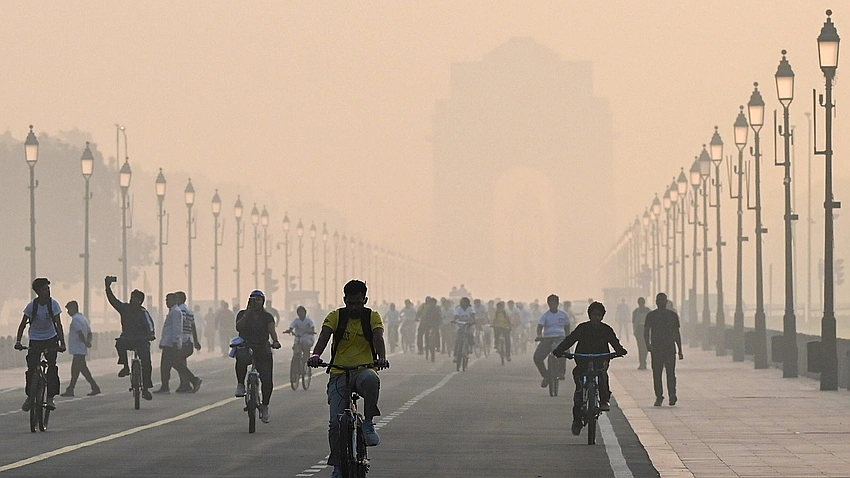
The context for these trials is a persistently poor air quality situation in Delhi, with the Central Pollution Control Board reporting an air quality index in the very poor range on multiple days. While officials remain cautiously optimistic, the day’s rainfall was modest, and any substantial improvements in air quality will likely depend on sustained precipitation during future sorties. The trials are being monitored closely, with plans to adjust based on weather radar readings and on-ground observations, as authorities seek practical steps to alleviate pollution while continuing to study the efficacy of cloud seeding as a tool for air-cleaning in the region.
Looking ahead, authorities say more cloud seeding trials are on the agenda, contingent on favorable humidity and moisture content in the clouds. The project highlights a broader pursuit of innovative weather-modification techniques to address chronic air quality challenges in major Indian cities.
Cover image source: Delhi artificial rain LIVE: Cloud seeding trial likely today as air quality remains 'very poor' 🔗
