Why India’s Shopping Habits Are Now a Strategic Tool

Why India’s Shopping Habits Are Now a Strategic Tool
The U.S. shifted from relying solely on aircraft carriers to using trade and imports as leverage. India must realise that its buying power can turn into diplomatic muscle, if it acts fast.
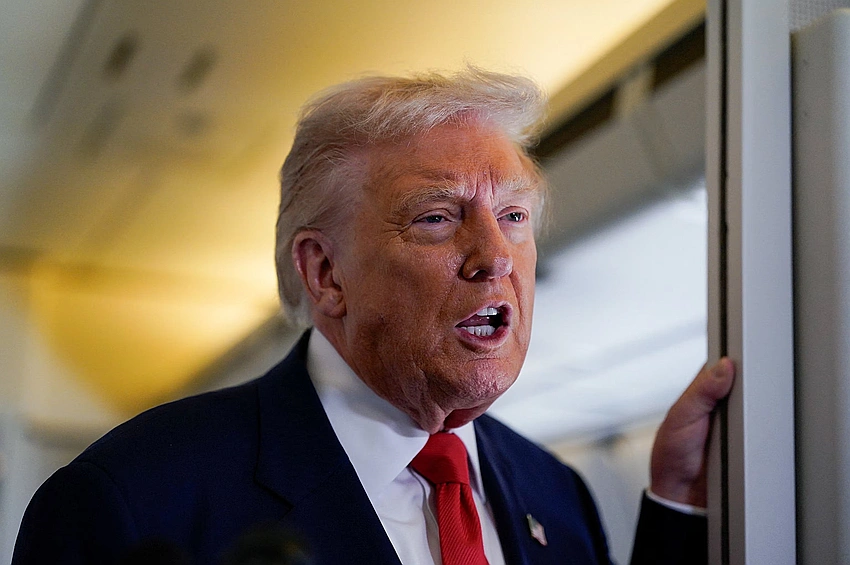
The world is changing. For decades, the United States of America used its vast military strength on aircraft carriers, naval bases, allied forces, as the main way to influence other countries. But now, it also uses something more subtle: its shopping list.
When Donald Trump became president, he cut straight to the point. He used tariffs and threats on imports. He treated goods coming into the U.S. as bargaining chips. This changed global influence in clear sight.
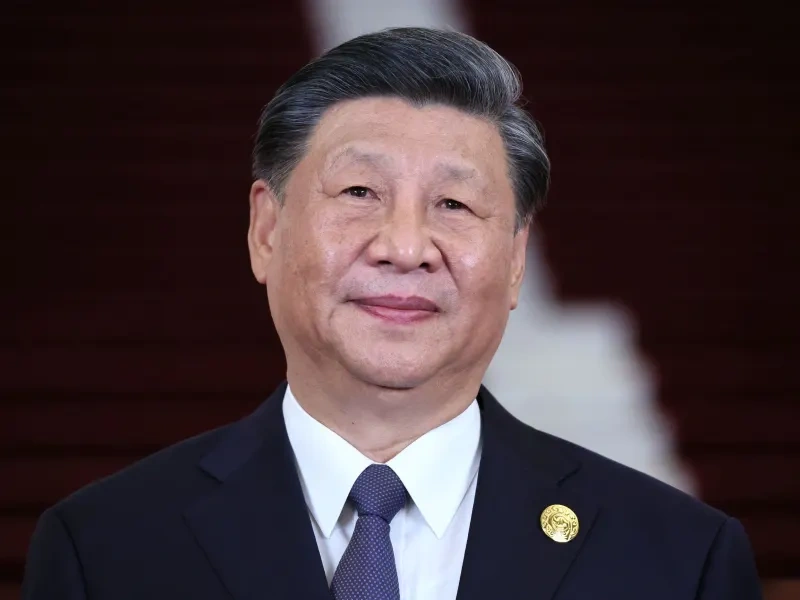
Meanwhile, China learned a different lesson. It didn’t wave its strength loudly. It buys what it needs. It uses its role as a major buyer and seller to shape outcomes quietly. This forced the U.S. into unfamiliar ground.
And then there’s India. India buys huge volumes of things like edible oils and animal feed. That buying power could have been turned into diplomatic or commercial force. But India didn’t, the moment passed.
What’s happening now?
- Import power matters, sometimes more than military presence.
- Choices about what you buy (and from whom) can shape supply chains and politics.
- If you demand only passively, you waste your chance to secure better terms and influence.
Why this matters for India
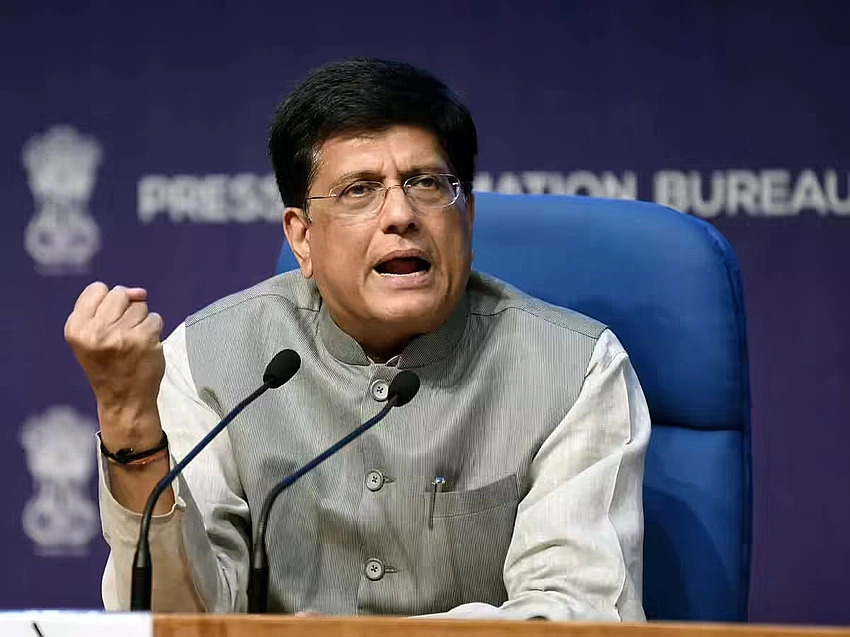
Policymakers in New Delhi still act like trade is just about tariffs and domestic politics. They forget that being a big buyer is itself a strategic asset. India needs a new playbook for leverage, one that is fast and practical.
What should the playbook include?
- Map out critical lines of import that give India power.
- Use state procurement not just for buying, but as leverage.
- Offer short-term purchase guarantees tied to technology transfer and higher-value local supply.
- Clean up regulatory hurdles so deals can be made quickly. Fast decisions bring strategic dividends; long reviews don’t.
Trade deals affect farmers, labour, and markets. When the U.S. pushed China, it was trying to win real votes in rural America. India must ask: Who wins back home? Why?
Some in India say: “Stop romanticising self-reliance. Use our demand to get technology and better prices.” Others say: “We are stuck in policy inertia while external powers write the rules for us.”
Practical Steps India Can Now Take
- Identify the top import items where India has big volume and could use that volume as negotiation power.
- Use state buying power: for example, agree to buy if you get technology transfer or local manufacturing.
- Measure every deal by national long-term gain and not just by short-term cost.
This is like past times when bold reforms changed a country’s economy. India can act now. Or it can watch others rearrange global trade while India nods politely.
Sources:
- Tariff politics make India Trump’s favourite target – but what’s driving his fixation?” – Economic Times. URL: https://m.economictimes.com/news/economy/foreign-trade/us-tariffs-impact-india-modi-trump-trade-war-russian-oil-putin/articleshow/123181922.cms 🔗 The Economic Times 🔗
- “How India Can Deal with Trump And His Tariffs 'Creatively'” – NDTV. URL: https://www.ndtv.com/opinion/india-will-have-to-be-creative-with-trump-and-his-tariffs-7587969 🔗 www.ndtv.com 🔗
- “The age of American naval dominance is over” – The Australian Financial Review. URL: https://www.afr.com/policy/foreign-affairs/the-age-of-american-naval-dominance-is-over-20230320-p5ctk4 🔗 Australian Financial Review 🔗
