Strait of Hormuz 'Closed' by Iran: Ships Still Sail Amidst Tensions!

Strait of Hormuz 'Closed' by Iran: Ships Still Sail Amidst Tensions!
Iran declares the vital Strait of Hormuz closed, yet shipping data reveals vessels are still navigating the key waterway. Discover how geopolitical tensions are impacting global maritime traffic and fears of underwater m
The Strait of Hormuz, a crucial global chokepoint for oil and gas shipments, has once again been declared closed by Iran's Revolutionary Guards. This declaration comes amidst continued Israeli attacks in Lebanon, escalating regional tensions.
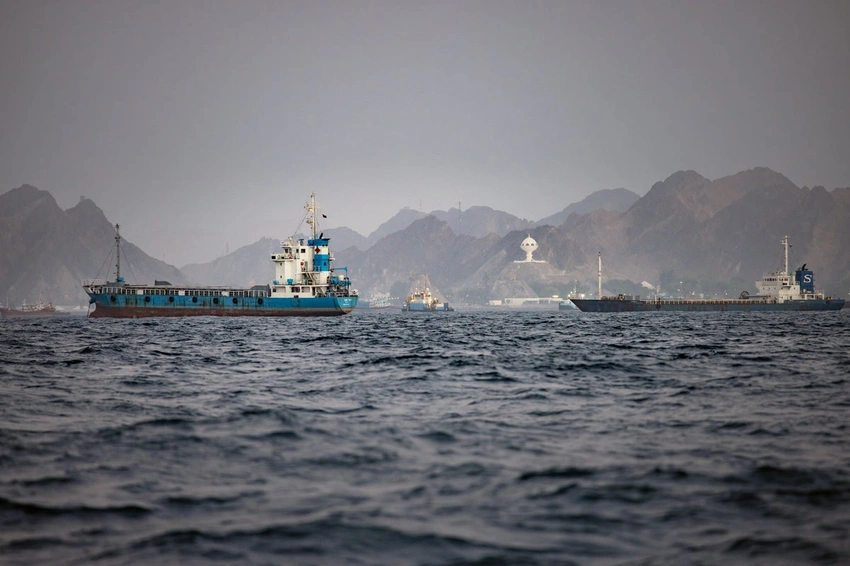
Despite Iran's statement, shipping data indicates that vessels are still traversing the strategic waterway. Analytics firm Kpler reported five vessels heading into the Strait on Monday morning, with five also crossing on Sunday, though this was a significant drop from 26 ships recorded on Saturday. This suggests a complex and uncertain situation on the ground, or rather, on the water.
Adding to the confusion, US Centcom has directly contradicted Iran's claims, asserting that the strait was not shut and that 55 commercial ships had transited on Saturday. While this figure is higher than some other reports, it still falls far below the pre-war average of 130 ships, highlighting a clear reduction in traffic.
Industry experts are expressing deep concerns, particularly over the potential presence of as many as 80 underwater mines in the strait. Clearing such a number of mines could take weeks, posing a severe and ongoing threat to maritime security and global trade. Furthermore, maritime intelligence company Windward has noted that some ships are reportedly entering the strait with their Automatic Identification Systems (AIS) switched off. This practice, known as "dark" traffic, is usually associated with sanctioned or covert operations, indicating a high level of risk and non-transparency in the critical passage.
Among the vessels observed making their way through the Strait on Monday were four Qatari tankers – Wadi Al Sail, Mekaines, Al Sadd, and Mesaimeer – which entered via the Iranian route, a first since the conflict began in February. Additionally, the Marshall Islands-flagged dry bulk vessel Summit Success also entered the Gulf. Sunday's traffic included three Very Large Crude Carriers, each transporting two million barrels of Saudi crude and fuel oil. These movements underscore the continued, albeit reduced and riskier, flow of essential goods through this vital maritime artery.
