Breaking Stigma or Selling Struggles? Mental Health in Media

Breaking Stigma or Selling Struggles? Mental Health in Media
Breaking Stigma or Selling Struggles? Mental Health in Media
As mental health narratives flood screens, critics warn of commodification—how realism, ethics, and profit shape portrayals from 13 Reasons Why to American Horror Story.
The Rise of Mental Health Narratives in Media
The topic of Mental Health, which used to be rarely spoken of, has grown a lot in the past few years, especially after COVID. In fact, it has begun to dominate media in almost every form. Film and TV shows, books, even just reels. People are finally talking about mental health and that’s wonderful.
While this broke the stigma and helped people speak out, it also brought with it the risk of commodification, when mental health struggles are packaged for entertainment, profit, or trendiness rather than genuine understanding.
When Awareness Turns Into Commodification
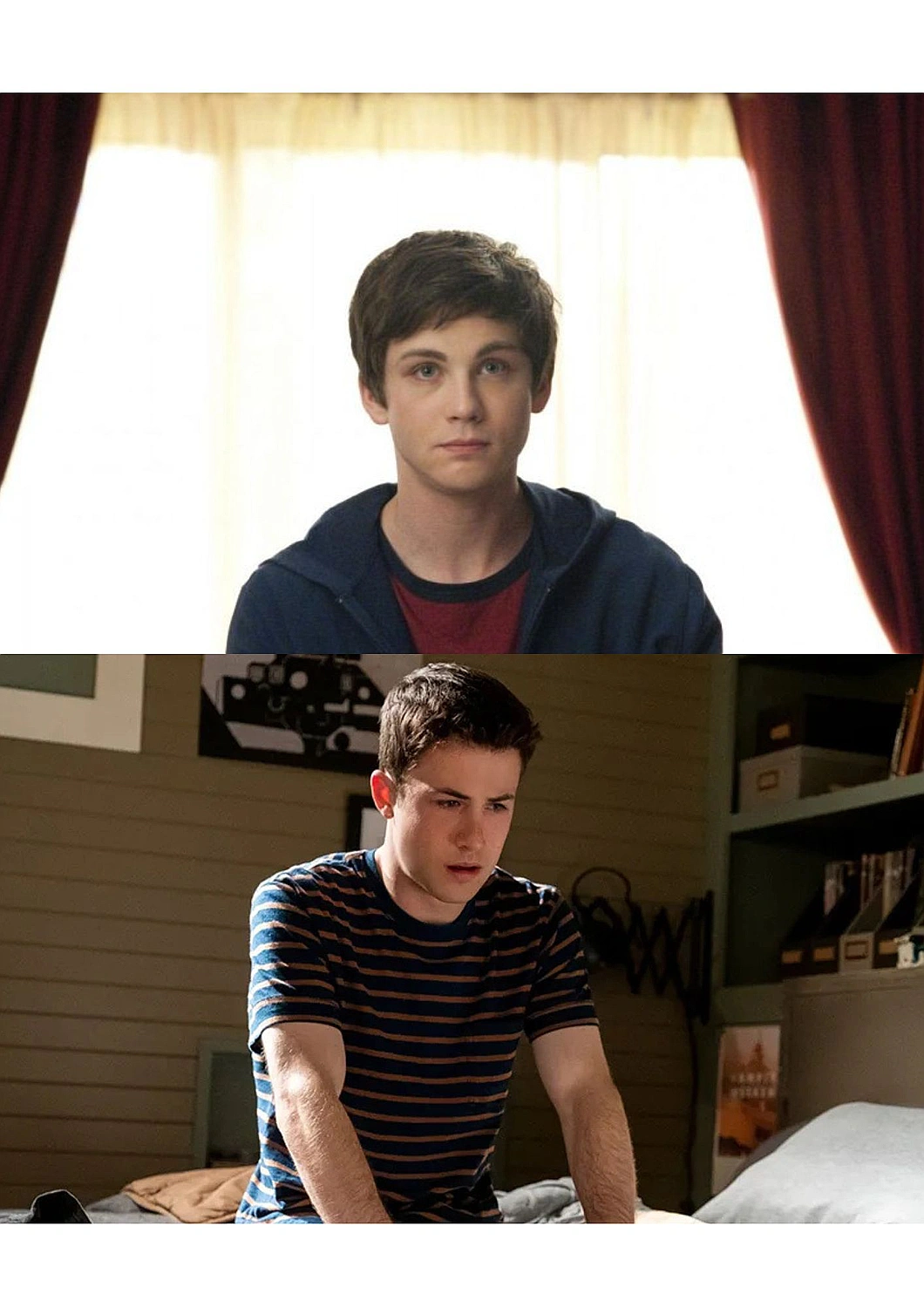
Take the most obvious example, the show 13 Reasons Why. It has been widely criticized for romanticising suicide and inaccurate portrayals of mental illness. It uses the guise of “mental health” to gain viewership, offering no real emotion or accurate depictions. Certain seasons of American Horror Story also use mental health illness just for the sake of the plot with no realistic or empathetic portrayals.
Euphoria walks a tight line. It can be criticized for how it’s high production value glamourises these issues, but it does also offer accurate portrayals of addictions and mental health. While a lot of unrealistic aspects are present, certain parts of the show educate audiences on more nuanced aspects of mental health. But then again, it can also be seen to glamourise self-destructive behaviour. It’s a double-edged sword.
Authentic Portrayals That Get It Right
In my own opinion, Bojack Horseman has one of the best portrayals of mental health in TV shows. Movies like Manchester by the Sea, A Beautiful Mind, Silver Linings Playbook and The Perks of being a Wallflower are all excellent examples of using mental health in a way that does not commodify it.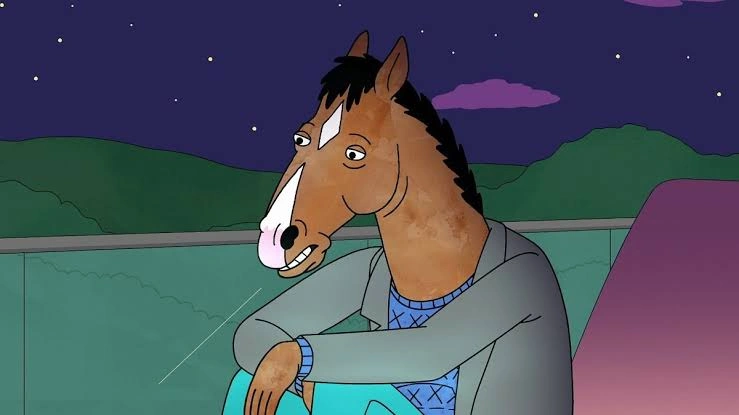
Bojack Horseman dives deep into depression, addiction and trauma with brutal honesty and dark humour. It’s portrayal of mental illness is raw and authentic, being completely vulnerable with the audience. They don’t seek to use it as a tool to bring any viewers. It is presented just as it is and leaves the audience to interpret it how they like.
Beyond storytelling, social media and various other apps also commercialise mental health. Pop culture’s portrayal of mental health will remain a powerful tool to create awareness but can potentially create a pattern of commodification. Navigating the balance between glamourisation and authenticity is a thin line that is the key to more honest and helpful mental health narratives.
#MentalHealthMedia, #MediaCritique, #MentalHealthAwareness, #StoryEthics, #EntertainmentResponsibility
