Would Modernism Happen Without Women?

Would Modernism Happen Without Women?
Would Modernism Happen Without Women?
Discover how women built the infrastructure of modernism—from tiny bookshops and lending libraries to little magazines—that quietly shaped the era, turning domestic spaces into literary laboratories.
Modernism is often narrated as the work of brilliant, solitary men such as Joyce, Pound, Eliot, breaking language and form. Yet the material scaffolding that made their experiments possible was hardly solitary: it was domestic, social and frequently organised by women. Small bookshops, lending libraries and little magazines run by women acted as salons, presses and patronage networks that brought writers together, curated taste and in some cases took the legal and financial risks that mainstream firms would not. This blog-form piece sketches how those quieter infrastructures changed the literary map.
Little bookshops as salons and incubators
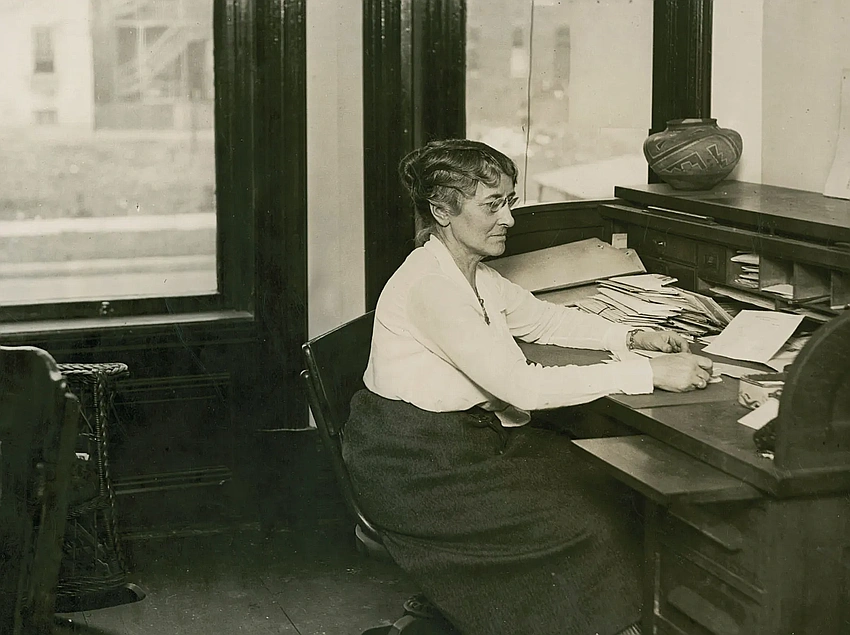
The archetype here is Sylvia Beach’s Shakespeare and Company in Paris. More than a retail space, Beach’s shop functioned as a lending library, office, reading room and staged meeting place for anglophone modernists in the 1920s. It was at Shakespeare and Company that James Joyce found a sympathetic publisher for Ulysses and where expatriate writers exchanged ideas and favours; the shop’s social life fed the modernist project as surely as any critical manifesto.
Why did bookshops matter? They mapped a different geography of literary life: neighbourhoods rather than publishing houses; conversations rather than market forecasts. A bookseller who doubled as host could introduce an unknown poet to an editor, organise a reading that created a network, or simply provide the moral and material solidarity necessary for risky art to flourish. Where mainstream pubs and clubs might exclude women or certain experimental voices, many small bookshops cultivated inclusion by necessity and taste.
Women editors and the little magazine ecosystem
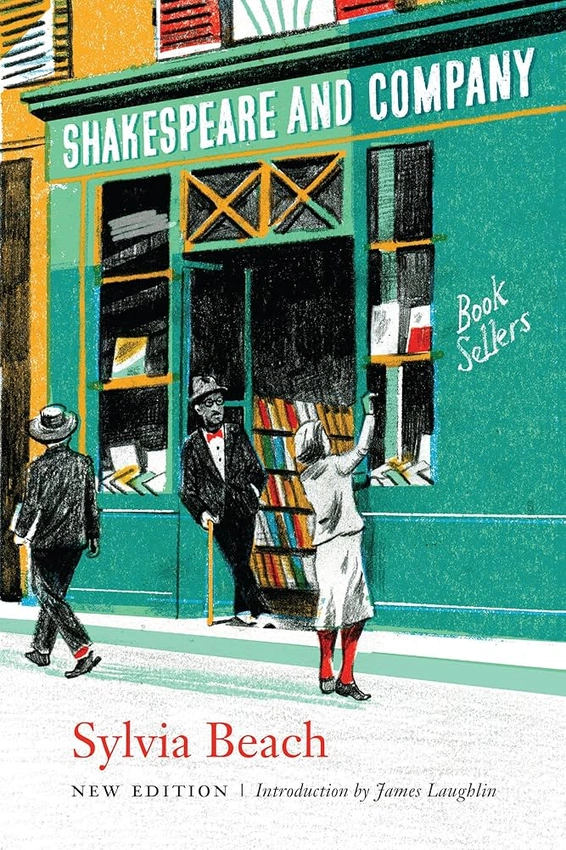
If bookshops were the salons, little magazines were the laboratories. Edited on shoestring budgets and often produced in parlours or spare rooms, these periodicals tested form and announced new aesthetic alliances. Crucially, women were central to running many of them. Margaret C. Anderson’s The Little Review in America and Harriet Shaw Weaver’s stewardship of The Egoist in Britain both illustrate how female editors curated transatlantic networks of modernist exchange, serialised experimental work and perhaps most importantly put their own resources and reputations on the line to publish texts that mainstream printers refused.
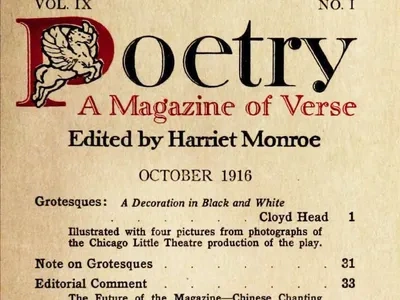
These editors did more than select texts. They shaped public conversation: arranging translations, soliciting reviews, and defending controversial material in public. When Ulysses faced prosecution and printers balked, it was editors and their small presses who found ways to circulate Joyce’s work. The editors’ labour combined aesthetic judgement with logistical know-how via copy editing, typesetting, distribution tasks, rarely romanticised but indispensable to modernism’s diffusion. Scholarship has emphasised this corrective: women’s editorial labour was not incidental but formative in the literary field.
Booksellers as patrons and publishers
Beyond selling and lending books, several women booksellers became de facto patrons and publishers. Beach’s publication of Ulysses is the most famous example, but across Europe and America women gave money, printing contacts and practical support to writers. Harriet Shaw Weaver’s financial support for Joyce and her establishment of a press to serialise A Portrait of the Artist as a Young Man show how editorial judgment and monetary commitment were two sides of the same act of cultural patronage. These interventions reveal how modernism depended upon personal networks and often private funds rather than only on institutional sponsorship.
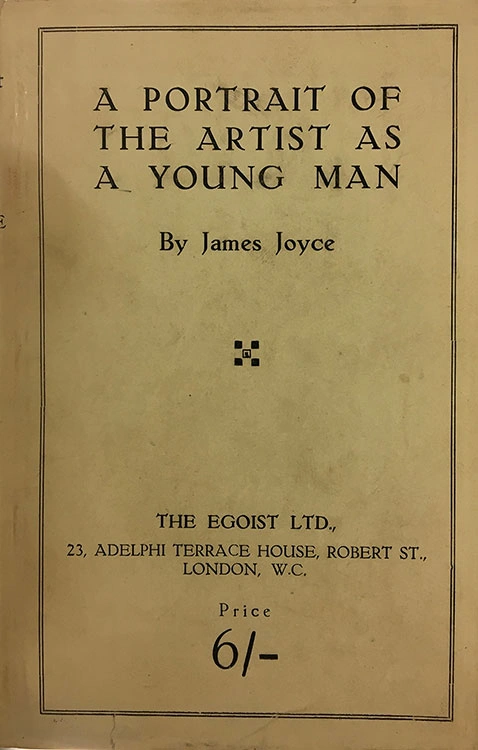
This patronage had consequences for modernist aesthetics as well. Editors and booksellers who controlled venues of discovery could amplify certain experiments and marginalise others; their tastes formed by gendered social worlds as much as by intellectual conviction, therefore influenced the canon that later critics would inherit. The point is not to claim a conspiratorial “women’s modernism” but to acknowledge that editorial and bookselling labour shaped which texts entered public view.
Networks, labour and legacy
The connective tissue of modernism was often maintained by women whose work did not always receive full critical recognition. Recent scholarship that centres little magazines and bookshop cultures has begun to recover those labours and to show how modernism was co-produced by a wider and gender-diverse constellation than earlier histories allowed. The corrective is both archival and interpretive: it asks critics to read not only the famous texts but also the publishing histories and infrastructures that made those texts legible.
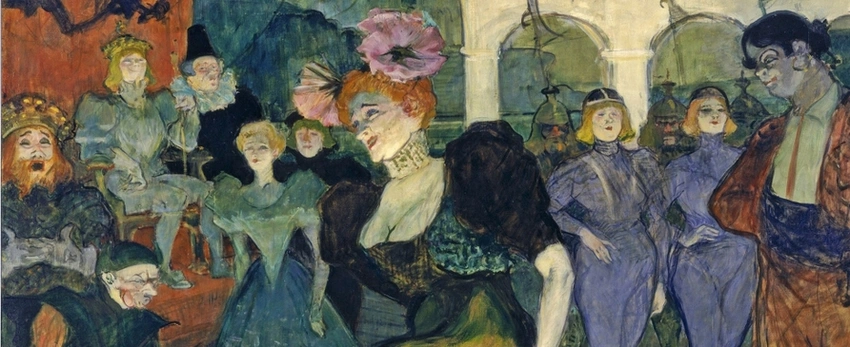
To claim that women “paved the way” for modernism is not to sentimentalise or to reduce modernist genius to social circumstance. It is to insist that literary innovation needs material supports, places where texts can be sold, read aloud, argued over and printed outside conservative gatekeeping. Women booksellers, editors and small-press operators provided many of those supports. Their labour was practical and curatorial, intimate and public. Attending to these infrastructures enriches our understanding of modernism: it becomes not merely an aesthetic revolt but a social project sustained by communities and the work of those who kept the lights on.
#Modernism #WomenInLiterature #Bookshops #LiteraryHistory #ShakespeareAndCompany
