Black Americans to Quietly Skip 250th Anniversary: 'Freedom is Different For Us'

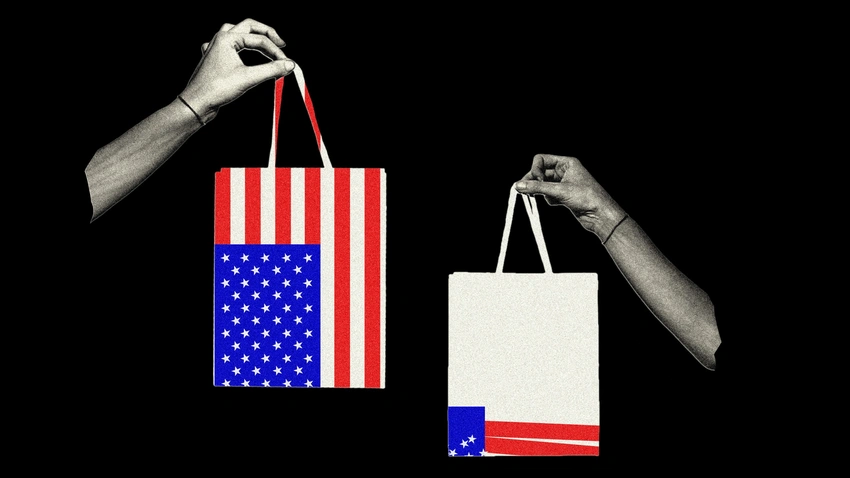
Black Americans to Quietly Skip 250th Anniversary: 'Freedom is Different For Us'
As America nears its 250th birthday, many Black Americans are opting out of celebrations, citing a deep-seated history of inequality. Explore the quiet refusal to participate and its historical roots.
America is gearing up to celebrate its 250th birthday, a milestone that for many signifies two and a half centuries of freedom and national identity. However, for a significant portion of the Black American community, the upcoming anniversary is met with a quiet, almost somber refusal to participate. This sentiment isn't born of apathy, but rather a profound historical consciousness that posits a different understanding of “freedom.”
Social media platforms like TikTok and Threads are buzzing with calls among Black individuals to “not give them a reaction,” referencing a perceived tendency by white people to sensationalize Black rage. This suggests a strategic withdrawal, a refusal to allow anger and frustration to become a spectacle. Instead, the focus is shifting inward: on survival, mutual care within the community, and an insistence on stepping forward to claim rights that have historically been taken for granted. The old African American proverb, “If you can’t hear, then you must feel,” encapsulates this current mood, hinting at a weariness from years of unheard alarms and a desire for others to confront consequences without their emotional labor.
This sentiment is deeply rooted in American history, predating even the nation’s founding. The article reminds us that the quest for liberty was not exclusive to white colonists. In 1739, enslaved South Carolinians, during the Stono Revolt, marched with banners and shouted “Liberty!” – language that would later echo in the Declaration of Independence. Thomas Jefferson, despite penning a 168-word condemnation of slavery, saw this passage removed from the final version of the Declaration, a testament to the economic entanglement of slavery in both Northern and Southern colonies.
Further historical context highlights how the institution of slavery itself became a catalyst for colonial resistance against Britain. The Mansfield Judgment of 1772, which prevented an enslaved person from being deported from England, inadvertently solidified colonial opposition to the British crown. This historical backdrop underscores a pervasive truth for Black Americans: their experience of freedom has always been distinct, often conditional, and hard-won.
As the 250th anniversary approaches, the celebration for Black communities is arriving “as a whisper instead of a roar.” It reflects a complex legacy where the promise of liberty has often been deferred or denied. The decision to “sit out” the celebrations is not an act of disengagement, but rather a powerful statement of protest, a recalibration of focus, and a call for a more genuine reckoning with America’s past and present realities.
#America250th #BlackAmerica #RacialJustice #FreedomIsDifferent
