Why Some Acne Marks Stay for Months Even After Pimples Disappear
Why Some Acne Marks Stay for Months Even After Pimples Disappear
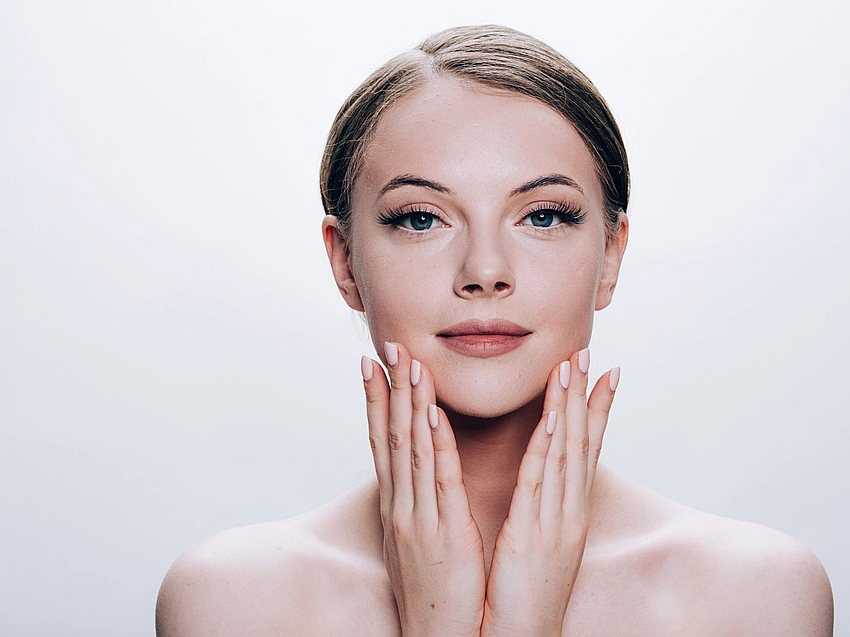
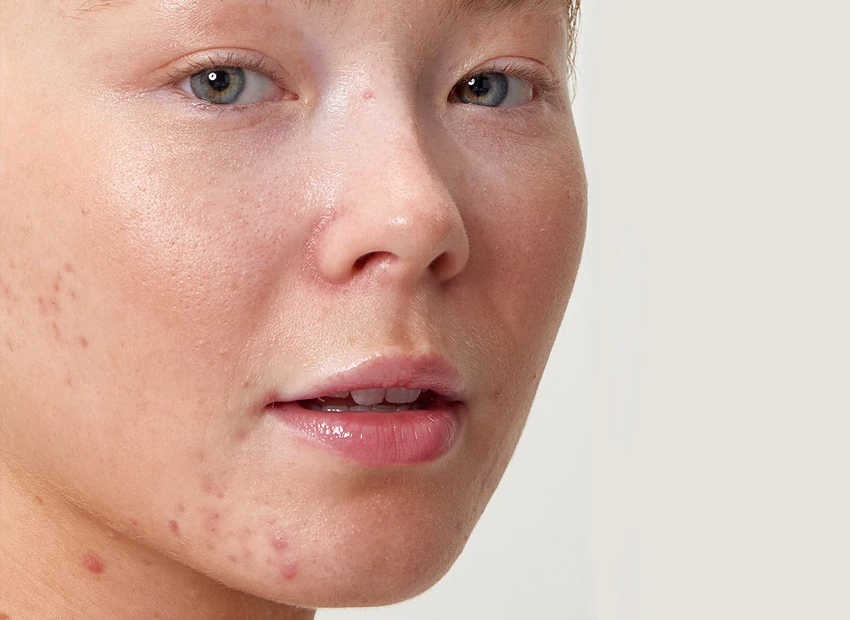
A breakout may last only a few days, but the marks left behind can remain visible for weeks or even months. Many people feel frustrated when acne disappears yet dark spots, uneven tone, and lingering discoloration continue affecting their skin confidence. While active acne receives most of the attention in skincare discussions, post-breakout marks often become the longer-lasting concern.
What makes acne marks especially confusing is that two people can experience similar breakouts but completely different healing timelines. One person’s skin may recover quickly, while another develops persistent pigmentation that fades very slowly. Factors such as inflammation levels, sun exposure, skin barrier health, and daily habits all influence how long acne marks remain visible.
Dermatologists increasingly emphasize that preventing post-acne discoloration requires more than just treating pimples. Skin protection, hydration, inflammation control, and targeted recovery products all play important roles in helping skin heal evenly. In particular, daily use of a lightweight sunscreen for oily skin 🔗 can significantly reduce the chance of acne marks becoming darker and more noticeable over time.
The Science Behind Post-Acne Marks
Not all acne marks are technically scars. Many people confuse temporary pigmentation with permanent scarring, but they are biologically different conditions.
Post-inflammatory hyperpigmentation happens when inflamed skin produces excess melanin during healing. This leaves behind brown, red, or purple marks after pimples disappear. These spots are flat and usually fade gradually with proper care.
True acne scars form when deeper layers of skin become damaged during inflammation. These scars may appear indented, raised, or uneven because the skin structure itself changes during healing.
The good news is that many visible acne marks are actually pigmentation rather than permanent scars. This means skin recovery can improve substantially with consistent skincare habits.
Why Inflammation Determines Healing Speed
The intensity of inflammation often decides whether a breakout leaves a lasting mark. Large painful pimples, cystic acne, or repeatedly touching blemishes can increase skin trauma and slow recovery.
Common habits that worsen acne marks include:
- Picking pimples
- Over-exfoliating irritated skin
- Using harsh alcohol-based products
- Skipping sunscreen
- Sleeping with makeup on
- Applying too many active ingredients at once
Inflamed skin becomes more vulnerable to pigmentation changes because healing processes become disrupted. Even small breakouts can leave noticeable marks if the skin barrier is already weakened.
This is why modern acne care focuses heavily on calming inflammation rather than simply drying out pimples aggressively.
Sun Exposure Makes Acne Marks Darker
Many people underestimate how strongly UV exposure affects post-acne marks. Even minimal daily sun exposure can stimulate melanin production and deepen discoloration.
This explains why acne marks sometimes appear darker after outdoor activities or long commutes. Without adequate sun protection, healing skin remains highly sensitive to UV-related pigmentation changes.
Daily sunscreen use helps by:
- Reducing dark spot worsening
- Protecting healing skin
- Preventing uneven pigmentation
- Supporting long-term skin clarity
- Reducing inflammation caused by UV rays
Modern sunscreens designed for acne-prone skin are now lighter and less greasy than older formulas. This has made consistent sunscreen use easier for people concerned about clogged pores or excess shine.
The Skin Barrier Plays a Bigger Role Than Most People Think
The skin barrier functions as the body’s natural protective shield. When this barrier becomes damaged, skin struggles to heal efficiently after breakouts.
Barrier disruption can lead to:
- Increased redness
- Longer healing times
- Dry flaky patches
- Sensitivity
- Persistent irritation
- More visible post-acne marks
Overusing strong exfoliants or acne treatments often weakens the barrier unintentionally. Many people believe aggressive skincare speeds up recovery, but excessive irritation frequently creates the opposite effect.
Balanced routines that include hydration and barrier support usually help skin recover more evenly over time.
Why Some Skin Tones Experience More Visible Acne Marks
Post-inflammatory hyperpigmentation tends to appear more prominently in medium to deeper skin tones because melanin production becomes more reactive after inflammation.
However, acne marks can affect all skin types. Lighter skin tones may experience lingering red or pink marks, while deeper skin tones often develop brown or purple discoloration.
The healing process also depends on:
- Genetics
- Hormonal fluctuations
- Sun exposure habits
- Product consistency
- Inflammation severity
- Sleep quality
This is why individualized skincare approaches matter more than copying routines from social media trends.
The Connection Between Hydration and Acne Recovery
Hydrated skin generally heals more effectively than dehydrated skin. When moisture levels remain balanced, the skin barrier functions more efficiently and inflammation becomes easier to manage.
Dehydrated skin often appears:
- Dull
- Tight
- Rough
- Uneven
- More irritated
Ironically, acne-prone individuals sometimes avoid moisturizers because they fear breakouts. In reality, skipping hydration can increase oil production and worsen skin imbalance.
Many dermatologists now recommend pairing acne treatments with barrier-supporting moisturizers to minimize irritation while maintaining skin comfort.
The Rise of Gentle Recovery-Focused Skincare
Skincare trends have shifted noticeably over the last few years. Instead of extreme exfoliation and harsh drying treatments, consumers increasingly prefer routines focused on repair and recovery.
This shift includes growing interest in:
- Barrier repair moisturizers
- Lightweight sunscreens
- Niacinamide-based products
- Hydrating acne treatments
- Gentle exfoliation
- Skin-calming ingredients
Consumers are becoming more aware that healthy-looking skin requires long-term consistency rather than overnight fixes.
According to the American Academy of Dermatology, acne affects up to 50 million Americans annually, and post-inflammatory hyperpigmentation remains one of the most common concerns following breakouts.
This growing awareness has encouraged brands to develop skincare solutions that support both active acne treatment and post-breakout recovery simultaneously.
Why Overnight Repair Is Important for Acne Marks
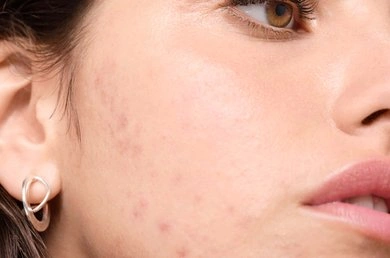
Skin repair naturally accelerates during sleep. Blood flow increases, cellular repair becomes more active, and the body works to restore damaged tissue overnight.
This is why nighttime skincare often focuses on:
- Hydration
- Barrier support
- Pigmentation recovery
- Inflammation reduction
Consistent evening routines can help improve skin texture and tone over time without overwhelming the skin with excessive products.
People recovering from acne marks often benefit from routines that combine calming ingredients with targeted pigmentation care rather than relying only on aggressive exfoliation.
Patience Is an Essential Part of Skin Recovery
One of the biggest misconceptions in skincare is expecting rapid transformation. Acne marks usually fade gradually, especially when they developed after deep inflammation.
Visible improvement often depends on:
- Consistency
- Daily sun protection
- Reduced skin irritation
- Barrier health
- Avoiding pimple picking
Frequent product switching can sometimes delay recovery because the skin never has enough time to adapt.
Long-term skin clarity usually develops through stable routines that support both healing and protection.
How Lifestyle Habits Affect Acne Mark Healing
Skincare products alone cannot fully control skin recovery. Lifestyle habits strongly influence inflammation levels and overall skin resilience.
Factors that may support healthier skin recovery include:
- Better sleep quality
- Stress management
- Hydration
- Reduced smoking exposure
- Balanced nutrition
- Consistent sunscreen use
Even moderate improvements in daily habits can positively influence how the skin heals after breakouts.
Conclusion
Acne marks often last longer than the breakouts themselves because healing skin remains highly sensitive to inflammation, UV exposure, and barrier damage. Understanding the difference between active acne and post-inflammatory pigmentation helps create more realistic expectations about recovery timelines.
Modern skincare increasingly focuses on balancing treatment with repair. Instead of aggressively stripping the skin, consumers are learning the value of hydration, barrier support, gentle routines, and daily sun protection. Small habits such as avoiding pimple picking and wearing sunscreen consistently can make a major difference in how quickly marks fade.
As skincare science continues evolving, more people are choosing routines that support both prevention and recovery. Products designed for targeted pigmentation support, hydration, and protection work best together when used consistently over time. Even specialized solutions like a post acne marks treatment 🔗 🔗routine can become far more effective when paired with proper barrier care and UV protection.
CTA
Discover skincare solutions designed to support clearer-looking skin, balanced hydration, daily protection, and post-breakout recovery at World of California 🔗. Explore products that help care for acne-prone skin while supporting healthier-looking skin over time.
FAQs
1. Why do acne marks stay long after pimples disappear?
Inflammation triggers excess melanin production during healing, which can leave behind visible discoloration even after acne clears.
2. Can sunscreen help prevent acne marks from getting darker?
Yes. Daily sunscreen helps protect healing skin from UV exposure, which can worsen pigmentation and slow recovery.
3. Is it safe to use moisturizers on acne-prone skin?
Yes. Proper hydration helps maintain the skin barrier and may reduce irritation caused by acne treatments.
4. What makes acne marks worse?
Picking pimples, skipping sunscreen, over-exfoliating, and using harsh products can all increase inflammation and worsen post-acne discoloration.
5. How long do acne marks usually take to fade?
Healing timelines vary depending on skin type, inflammation severity, sun exposure, and skincare consistency. Some marks fade within weeks while others may take several months.
